Educational Toys: Choosing Inclusive Montessori for Special Needs in India
Choosing the right educational toys for children with special needs in India requires a thoughtful, informed approach, focusing on materials that truly cater to individual developmental pathways. Research shows that carefully selected inclusive toys can significantly enhance learning, promote independence, and build confidence in children facing unique challenges. This comprehensive guide will help parents, therapists, and educators in India make impactful choices, ensuring every child receives the support they deserve.
What are Inclusive Montessori Educational Toys?
Inclusive Montessori educational toys are carefully designed materials that support a child's natural development, adapting to individual learning styles and needs, including those with disabilities. This matters because they foster independence, self-correction, and holistic growth, allowing every child to thrive at their own pace. Indian parents can empower their children by selecting toys that specifically address their unique developmental pathways, fostering both skill acquisition and joyful engagement.
Understanding Inclusive Montessori: More Than Just 'Special' Toys
Maria Montessori's philosophy, born from her work with children in Rome, intrinsically champions inclusivity. Her method centers on the belief that every child possesses an innate drive to learn, and with the right 'prepared environment' and purposeful materials, they can achieve their full potential. This means that Montessori educational toys are not just for typically developing children; their design makes them profoundly effective for children with diverse learning needs, without needing a separate 'special needs' label.
The core principles – hands-on exploration, sensory engagement, and self-correction – naturally bridge developmental gaps. Child development experts agree that materials like the Pink Tower or Sandpaper Letters, with their inherent control of error, allow a child to discover mistakes and correct them independently, fostering resilience and problem-solving. This self-directed learning is particularly empowering for children who might otherwise feel frustrated or dependent on constant adult intervention.
Observe, Understand, Select: Your Child is the Best Guide
The most crucial step in choosing inclusive educational toys for children with disabilities is observing your child. Every child, regardless of diagnosis, has unique interests, strengths, and challenges. Rather than focusing solely on a label, take the time to notice what truly engages them, what frustrates them, and what developmental areas need gentle support.
A recent Livemint article highlighted how toys for autistic children can foster inclusivity, not by being overly complex, but by offering predictability and opportunities for focused engagement. For a 4-year-old with ASD in Bengaluru, this might mean a set of wooden stacking blocks that encourages pattern recognition and fine motor skills, providing a calming, repetitive task. For a child with ADHD, a puzzle with distinct pieces can help channel their energy into a single, rewarding activity, building concentration.
For Children with Autism Spectrum Disorder (ASD)
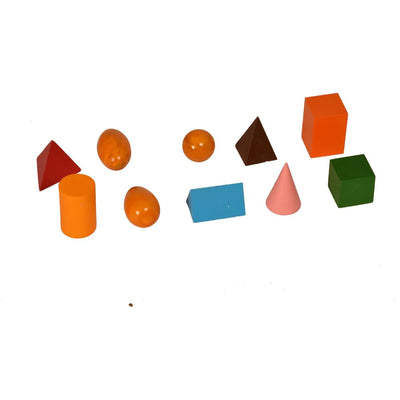
Children with ASD often benefit from toys that provide structure, predictability, and sensory input. Montessori materials like sorting trays, geometric solids, and practical life activities such as buttoning frames or pouring water offer clear steps and immediate feedback. These activities help in developing order, fine motor control, and can be deeply calming, reducing sensory overload.
Consider toys that engage multiple senses in a controlled manner, such as textured blocks or sound cylinders. These can help integrate sensory experiences without overwhelming the child, supporting sensory regulation. Explore a range of fine motor skill toys that encourage precise movements and focused attention.
For Children with ADHD
For children with ADHD, the goal is to enhance focus, concentration, and impulse control. Montessori activities excel here by requiring sustained engagement for a clear, satisfying outcome. Bead stringing, lacing cards, and puzzles demand focused attention and offer a tangible sense of accomplishment upon completion.
Practical life activities like transferring beans with tongs or sweeping provide purposeful movement and help channel energy constructively. These tasks break down larger goals into manageable steps, fostering a sense of mastery and improving attention span in a non-pressured environment.
For Children with Down Syndrome and Developmental Delays
Montessori toys are invaluable for children with Down Syndrome and other developmental delays due to their emphasis on repetition, concrete learning, and gradual skill progression. Materials like knobbed cylinders, shape sorters, and building blocks support the development of fine motor skills, hand-eye coordination, and problem-solving abilities.
Language enrichment can be fostered through Sandpaper Letters, picture cards, and storytelling with simple, concrete objects. The multi-sensory nature of these materials aids memory retention and comprehension, crucial for children who may process information at a different pace. Encouraging repetitive, joyful engagement is key.
For Sensory Processing Differences
Children with sensory processing differences often benefit from toys that offer specific, controlled sensory input. Tactile boards, textured balls, and sand play provide varied tactile experiences, helping to regulate their sensory systems. Sound cylinders or bells can help discriminate auditory differences, while visual tracking activities can support visual processing.
It's vital to observe whether the child is seeking or avoiding certain sensations and choose toys that either provide the desired input or gently introduce new, tolerable sensations. The prepared environment of Montessori encourages a safe space for sensory exploration, crucial for integration.
Key Considerations for Indian Families Choosing Educational Toys
In the vibrant, often bustling landscape of Indian homes, choosing Montessori toys special needs India parents can rely on involves practical considerations beyond just the child's developmental profile.
- Space & Durability: Many Indian families live in joint family setups or smaller urban apartments, making durable, compact toys that can withstand frequent use and potential sibling play essential. Quality wooden Montessori materials are built to last and are easily stored.
- Cultural Relevance: Integrating familiar elements can make learning more engaging. Consider toys that can be used to sort local fruits, vegetables, or even recreate elements of Indian festivals. A child learning about shapes might be more engaged if they relate to patterns seen in Rangoli.
- Therapist Collaboration: Working closely with your child's occupational therapist (OT), speech therapist, or special educator is paramount. They can provide specific recommendations for materials that align with therapeutic goals, ensuring the toys you choose are an extension of their therapy.
- Grandparents' Role: Grandparents often play a significant role in raising children in India. Involving them in the selection and play process can foster intergenerational bonding and consistent support. Simple, intuitive Montessori toys are easy for everyone to understand and facilitate shared learning moments.
- Budget & Value: While quality Montessori materials may seem like an investment, their durability and multi-purpose nature offer long-term value. Focus on a few high-quality, adaptable pieces rather than numerous single-use plastic toys.
The SkilloToys Difference: Quality and Community Support
At SkilloToys.com, we understand the unique journey of every Indian family, especially those supporting children with special needs. We are committed to providing high-quality, authentic Montessori materials that are not only inclusive by design but also durable and thoughtfully sourced. Our range of Montessori learning materials is curated to empower children with diverse abilities, fostering independence and joyful learning.
We believe that every child deserves the opportunity to thrive, and the right inclusive educational toys are a powerful tool in that journey. By choosing SkilloToys, you're not just buying a toy; you're investing in a philosophy that celebrates your child's individuality and potential.
Ultimately, the power lies in thoughtful observation and choosing materials that resonate with your child's unique needs and interests. Tonight, take a moment to simply watch your child play. What do they gravitate towards? What challenges them? Their answers will guide you to the perfect educational toy.