Homeschooling Curriculum India: Montessori for Special Needs
For many Indian parents, the search for an effective homeschooling curriculum India for children with special needs is a deeply personal and often challenging journey. At its core, this search is about finding an educational path that truly meets their child's unique rhythm and developmental requirements, fostering growth beyond conventional classroom settings. Montessori educational toys and principles offer precisely such a path, providing a structured yet flexible framework that empowers children with special needs to learn, grow, and thrive within the comforting embrace of their home.
Montessori homeschooling for special needs children in India is an educational approach that prioritizes individualized learning, hands-on exploration, and a carefully prepared environment tailored to the child's developmental pace and specific needs. This matters because it shifts the focus from rigid academic expectations to fostering intrinsic motivation, independence, and holistic skill development. Indian parents can adapt this method to create a nurturing learning space that respects their child's unique journey, allowing them to flourish at their own pace.
Why Montessori Shines for Special Needs in Indian Homes
Montessori education stands out in the realm of special needs education India due to its foundational philosophy: respecting the child as an individual. Unlike traditional curricula that often demand conformity, Montessori allows for a deeply personalized learning experience. For children with varied needs – be it autism spectrum disorder, ADHD, or developmental delays – this means learning is not forced but discovered, reducing anxiety and fostering a genuine love for exploration.
Research consistently shows that a child-led, prepared environment can significantly benefit diverse learners. A 2018 study published in the journal Science highlighted the long-term positive outcomes of Montessori education, including enhanced academic achievement and social-emotional development. In the context of Indian homes, where joint families often provide a rich, supportive network, Montessori principles integrate seamlessly, allowing grandparents and other family members to participate in the child's learning journey as supportive guides.
Addressing Specific Needs with Montessori Principles
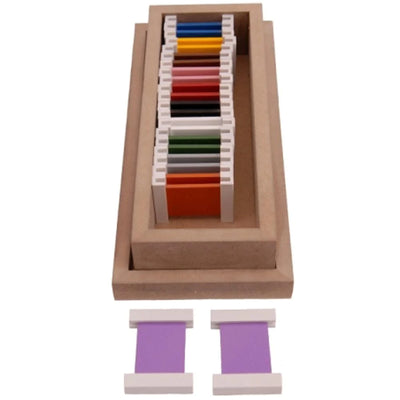
The beauty of Montessori lies in its adaptability and the ingenious design of its educational toys for special needs. These materials are not just playthings; they are tools for development, each crafted to isolate a single concept or skill, making learning concrete and accessible.
For Autism Spectrum Disorder (ASD)
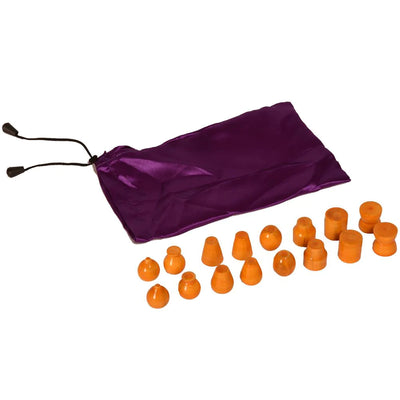
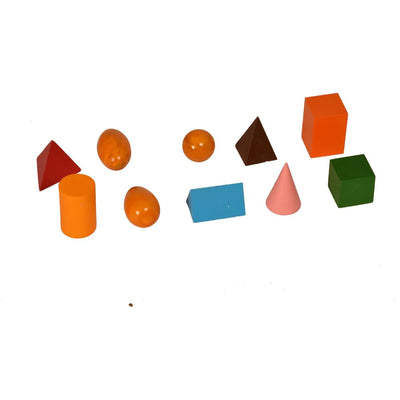
Children with ASD often thrive on structure, predictability, and sensory integration, qualities inherent in the Montessori method. The orderly arrangement of materials, the clear steps involved in each activity, and the self-correcting nature of the Montessori learning materials provide a reassuring framework. For instance, tasks involving sorting, stacking, and matching, such as the geometric solids or the knobbed cylinders, offer predictable outcomes and satisfying sensory feedback, which can be calming and help improve focus. Recent discussions, such as those highlighted in Livemint, emphasize how thoughtfully designed toys for autistic children can foster greater inclusivity by supporting their unique ways of interacting with the world.
For ADHD and Executive Function Challenges
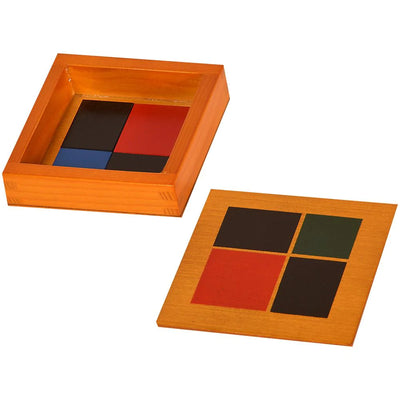
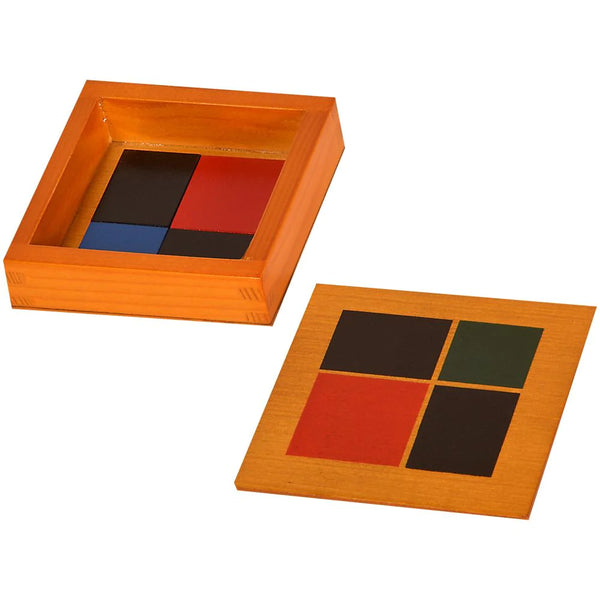
Montessori's emphasis on freedom of movement, choice within limits, and extended periods of focused work is particularly beneficial for children with ADHD. Instead of being confined to a desk, a child can choose an activity, work with it at their own pace, and move freely within the prepared environment. This autonomy, combined with activities that build concentration and sequential thinking, such as the binomial cube or bead chains, helps develop crucial executive function skills like planning, organization, and self-regulation. The physical engagement with materials reduces restlessness and channels energy into productive learning.
For Developmental Delays
For children experiencing developmental delays, Montessori offers a patient, step-by-step pathway to mastery. Each material is designed to build upon previous learning, breaking down complex concepts into manageable parts. A child can repeat an activity as many times as needed, gaining confidence and solidifying understanding without judgment. Practical life activities, such as pouring water, buttoning clothes, or sweeping, are particularly effective. These seemingly simple tasks build fine motor skills, coordination, and concentration, laying essential groundwork for more abstract academic concepts.
Creating an Inclusive Learning at Home Environment
Establishing an inclusive learning at home environment for Montessori homeschooling India involves more than just buying toys; it's about preparing a space that invites exploration and independence. Even in smaller urban flats common in Bengaluru or Mumbai, a dedicated corner can be transformed into a child-friendly learning zone. Think low shelves, child-sized furniture, and easy access to materials.
In a joint family setting, involving grandparents can be a beautiful way to enrich the child's experience. Dadi or Nani might help with practical life activities like peeling vegetables or folding clothes, turning everyday chores into learning opportunities. The key is to observe your child, understand their interests, and present activities that are just challenging enough to encourage growth without causing frustration. Investing in durable, high-quality fine motor skill toys and sensorial materials from SkilloToys.com can be a foundational step in building this enriching home environment.
Beyond Academics: Fostering Independence and Life Skills
One of the profound gifts of Montessori education for special needs children is its focus on practical life skills. For a child with unique challenges, gaining the ability to dress themselves, prepare a simple snack, or keep their space tidy translates into immense personal empowerment. These aren't just 'chores'; they are foundational steps towards self-sufficiency and confidence.
Child development experts agree that fostering independence from an early age is critical for all children, especially those with special needs. It builds self-esteem and reduces reliance on caregivers. When a child learns to pour juice without spilling, or to button their own shirt, they internalize a powerful message: "I can do it." This sense of agency is invaluable, helping them navigate a world that often presents extra hurdles, and allowing them to participate more fully in family life and future social interactions.
The journey of homeschooling a child with special needs in India is a testament to parental love and dedication. Embracing the Montessori approach offers a proven, empathetic, and profoundly effective way to nurture your child's potential, building not just academic skills, but a strong foundation for independence, self-worth, and a joyful learning life.