Educational Toys for Autistic Children: Inclusive Play Environments
Creating truly inclusive play environments for autistic children in India is paramount for their holistic development, and educational toys serve as foundational tools in this endeavor. Research shows that carefully selected educational toys provide structured, engaging, and sensory-rich experiences that cater to the unique needs of autistic children, fostering communication, social skills, and emotional regulation within the warm embrace of Indian family settings. This approach aligns perfectly with the recent Google News story from livemint.com, highlighting how toys for autistic children can profoundly foster inclusivity, especially within our diverse communities.
In India, where family bonds are central and collaborative learning is cherished, integrating appropriate learning resources for every child is a collective responsibility. From joint family homes to modern learning centers, the demand for effective toys for autistic children is growing, reflecting a deeper understanding of neurodiversity. This guide from SkilloToys.com, India's leading Montessori educational toys store in Bengaluru, aims to empower parents, therapists, and educators with practical insights into leveraging these tools.
Truly inclusive play is a dynamic process where every child, regardless of their developmental profile, feels valued, understood, and able to participate. It is not just about physical access but about creating psychological safety and tailored opportunities for interaction. This matters because it ensures autistic children develop crucial life skills in a supportive context, preventing isolation and building confidence. Indian parents can achieve this by mindfully choosing `kids learning toys` that resonate with their child's individual interests and sensory preferences.
Understanding Inclusive Play Environments for Autistic Children in India
An inclusive play environment is a thoughtfully prepared space designed to meet the diverse needs of all children, particularly those on the autism spectrum, allowing them to engage authentically. In the Indian context, this often means adapting traditional play areas within homes – be it a living room shared with grandparents or a dedicated corner – to be predictable, sensory-friendly, and stimulating. Child development experts agree that a well-structured environment reduces anxiety and enhances focus, which is crucial for autistic learners.
Creating these `inclusive play environments` extends beyond just toys; it involves routines, clear visual cues, and patient facilitation by family members or educators. Studies indicate that early intervention through structured play can significantly improve social communication skills in autistic children. For Indian families, this holistic approach integrates traditional values of community and support with modern understanding of neurodevelopmental needs, ensuring every child feels connected and understood.
The Transformative Power of Educational Toys for Autistic Children
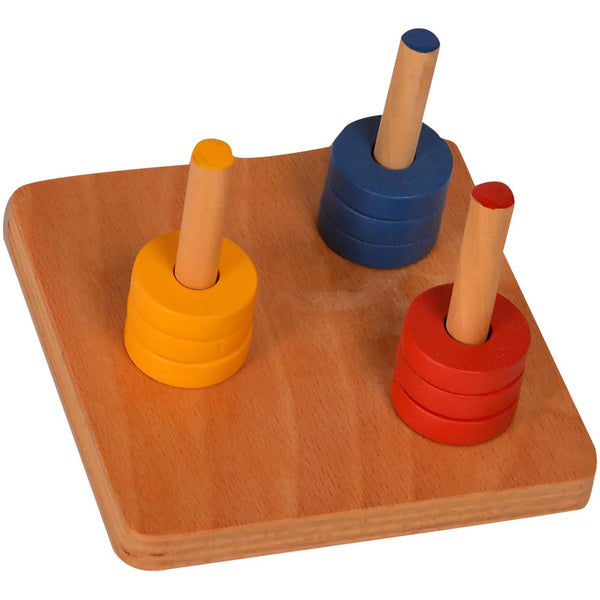
Educational toys are not mere distractions; they are powerful developmental tools for autistic children, designed to stimulate specific skills and address unique challenges. Maria Montessori's philosophy, for instance, emphasizes hands-on, self-correcting materials that allow children to learn at their own pace and discover concepts through active exploration. These types of `educational toys` are invaluable for children with autism who often thrive on structure, repetition, and a clear sense of purpose in their activities.
For many autistic children, sensory processing differences can make traditional play challenging. `Toys for autistic children` specifically address these needs by offering various textures, weights, sounds, and visual stimuli that can help regulate sensory input or provide necessary sensory seeking experiences. For example, building blocks can enhance fine motor skills and spatial reasoning, while sequencing puzzles help develop problem-solving abilities and logical thinking. Research shows that engagement with such materials enhances cognitive development and sustained attention.
Montessori Educational Toys: A Pathway to Structured Learning and Inclusion
Montessori educational toys, available through Montessori educational toys India specialists like SkilloToys.com, offer a highly effective framework for inclusive play. Their structured, purposeful design makes them inherently appealing and beneficial for autistic children. Materials like the Pink Tower or Sandpaper Letters provide concrete, multi-sensory experiences that aid in concept formation – be it size differentiation or letter recognition – without overwhelming the child.
These materials promote concentration, independence, and a sense of accomplishment, which are vital for building self-esteem in autistic learners. The self-correcting nature of many Montessori `kids learning toys` allows children to learn from their mistakes without adult intervention, fostering intrinsic motivation. Therapists and educators in India increasingly recommend Montessori principles for creating calm, focused learning environments that honor each child's individual pace and style.
Crafting Inclusive Play Spaces in Indian Homes and Schools
Creating effective `inclusive play environments` requires intentionality, both at home and in educational settings. In an Indian home, this might mean designating a quiet corner for focused play with educational toys, away from the hustle and bustle of family gatherings during festivals. Visual schedules, clear storage for toys, and a consistent routine can help autistic children feel secure and understand expectations.
Schools and therapy centers in India are also embracing these principles, designing classrooms that incorporate sensory nooks, quiet spaces, and a wide array of `educational toys` that support different learning styles. Collaboration between parents, educators, and therapists is key to tailoring these environments to individual children, ensuring that the child's strengths are leveraged and their challenges are supported with empathy and expertise. Grandparents, with their wealth of stories and patience, can also play a vital role in gently guiding play, reinforcing learning, and weaving cultural narratives into the child's experience.
Beyond Playtime: Fostering Social-Emotional Growth and Community Connection
The impact of well-chosen `educational toys` extends far beyond individual skill development; they are catalysts for social-emotional growth and stronger community connections. By facilitating successful play experiences, these toys build confidence, which in turn encourages autistic children to initiate interactions with peers and family members. This is particularly relevant in India, where collective activities and social participation are deeply ingrained cultural practices.
Engaging in parallel play or structured group activities with educational toys can naturally lead to shared experiences, turn-taking, and even imaginative play. As seen in the insights from livemint.com, fostering inclusivity starts with making every child feel capable and connected. SkilloToys.com is committed to providing `Montessori educational toys India` families can trust to build these bridges, ensuring that every child has the opportunity to thrive and belong.
The proactive steps by states like Tamil Nadu to turn into a toy-making hub, as reported by The Times of India, and the government's policy for toy manufacturing (The New Indian Express) signify a growing national focus on quality `kids learning toys`. This development holds immense promise for increasing access to specialized educational toys for children with special needs across India, supporting the larger goal of true inclusivity.
What defines an inclusive play environment for autistic children?
An inclusive play environment is intentionally designed to accommodate the unique sensory, social, and developmental needs of autistic children, ensuring they can participate meaningfully alongside peers. It provides predictability, clear communication, and adaptable resources, fostering a sense of belonging for every child.
How do educational toys specifically benefit autistic children?
Educational toys offer structured opportunities for skill development, from fine motor coordination to language acquisition, often through repetitive and engaging activities that appeal to autistic children. They aid in sensory regulation, reduce anxiety, and provide a safe avenue for exploring social interactions and emotional expressions.
Are Montessori educational toys suitable for autistic children in India?
Yes, Montessori educational toys are highly suitable for autistic children in India due to their self-correcting nature, emphasis on hands-on learning, and structured presentation of concepts. They cater to individual learning paces and sensory preferences, making them excellent tools for focused engagement and skill building.
What role do parents and grandparents play in creating inclusive play at home?
Parents and grandparents are instrumental in creating inclusive play by understanding their child's unique needs, selecting appropriate educational toys, and actively participating in play to model interactions. Their patience, support, and cultural understanding within the Indian family setup are crucial for fostering a warm, accepting environment.
How can schools in India promote inclusive play for autistic students?
Schools in India can promote inclusive play by integrating diverse educational toys into classrooms, training educators in inclusive strategies, and designing sensory-friendly play zones. Collaborating with parents and therapists ensures that play aligns with individual educational plans, fostering a truly supportive learning community.
- Educational toys are crucial for creating truly inclusive play environments for autistic children in India.
- Montessori principles provide structured, child-led learning ideal for diverse developmental needs.
- Inclusive play fosters social, emotional, and cognitive growth, reducing isolation for autistic children.
- Sensory-rich toys support regulation and engagement, which are vital for autistic learners.
- Parental involvement and a well-prepared play space are key to successful inclusive environments.
- India's growing awareness and local initiatives are enhancing access to specialized educational resources.