Educational Toys for Inclusive Play: An Indian Parent's Framework
Choosing the right educational toys for inclusive play involves looking beyond labels and focusing on a toy's potential to engage diverse learning styles and developmental stages. For Indian parents and educators, this means selecting toys that foster universal accessibility, adaptability, and multi-sensory engagement, ensuring every child, including those with special needs, finds joy and growth in play.
As India embraces a more inclusive approach to education and child development, the conversation around play becomes even more crucial. Recent initiatives, like the introduction of the Autistic Barbie doll in India, highlight a growing awareness of the need for representation and understanding from an early age. This shift encourages us to rethink how toys can bridge gaps, build connections, and truly celebrate every child's unique abilities.
What is Inclusive Educational Play?
Inclusive educational play is a child-centred approach where all children, regardless of ability or developmental stage, can participate meaningfully in shared play experiences. This matters because it fosters empathy, understanding, and holistic development for every child. Indian parents can achieve this by consciously selecting adaptable toys and creating welcoming play environments.
The SkilloToys Framework: Pillars for Choosing Inclusive Educational Toys
Selecting educational toys for a diverse group of children, including those with special needs, might seem overwhelming. Child development experts emphasize that the key lies not in finding a 'special' toy, but in identifying qualities that promote universal engagement. Here's a practical framework, designed for the unique context of Indian homes and schools, to guide your choices.
1. Universal Accessibility & Adaptability: Play for Every Hand
True inclusivity begins when a toy can be used by anyone, with minimal modifications. Think about children with varied physical abilities, visual impairments, or cognitive differences. Can a child with limited fine motor skills still manipulate the pieces? Is there a clear tactile or auditory cue for a child with visual challenges? Research shows that toys designed with universal access in mind reduce frustration and increase participation for all children.
When selecting toys, consider their size, weight, and grip-ability. Large, chunky blocks or puzzles with prominent knobs are excellent choices. Open-ended materials like clay, dough, or large art supplies allow for diverse modes of engagement. For instance, a child who cannot hold a paintbrush might still enjoy manipulating dough or exploring textures, fostering creativity and sensory integration. This approach cultivates a natural environment where choosing toys for special needs isn't about segregation, but about seamless integration.
2. Multi-Sensory Engagement: Beyond Sight and Sound
Every child processes information differently, and for children with special needs, multi-sensory input can be particularly vital. A toy that engages touch, sight, sound, and even smell or proprioception (body awareness) offers multiple pathways for learning and exploration. This is especially beneficial for children on the autism spectrum, where specific sensory inputs can be calming or stimulating in positive ways, as highlighted by Livemint's discussions on toys fostering inclusivity for autistic children.
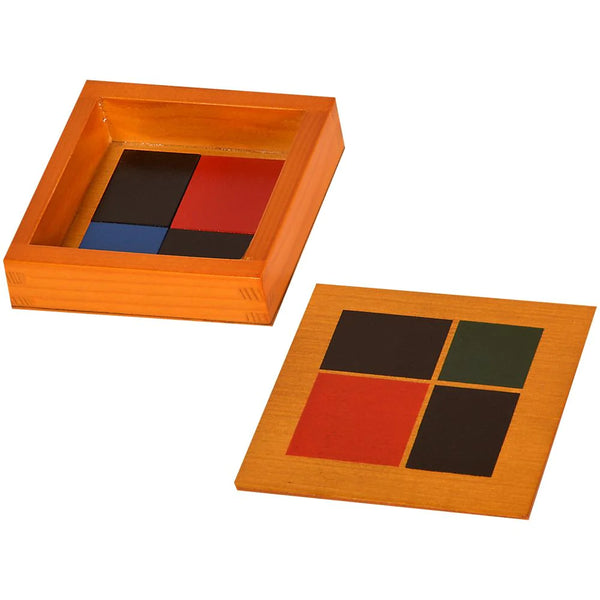
Look for toys with varied textures, contrasting colours, different weights, and interesting sounds (without being overwhelming). Textured blocks, sand and water tables, or musical instruments provide rich sensory experiences. Maria Montessori herself championed the use of sensory materials like the Pink Tower or Sandpaper Letters, which isolate specific sensory qualities for focused learning, making them exceptional inclusive educational toys. These experiences lay foundational pathways for cognitive development.
3. Open-Ended & Child-Led Exploration: The Montessori Way in India
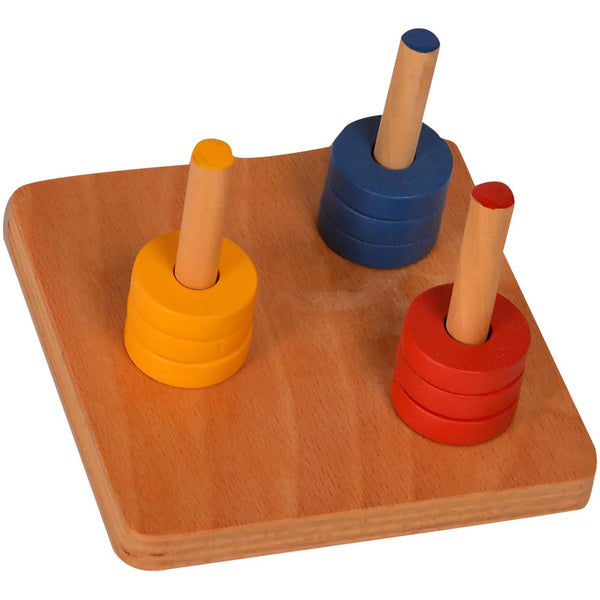
The true measure of an inclusive educational toy isn't how many features it boasts, but how many different ways a child can engage with it, allowing self-directed exploration crucial for diverse learners – a core tenet of Montessori philosophy often overlooked in a market flooded with prescriptive toys. In a joint family setting, where children of different ages often play together, open-ended toys are invaluable. They allow each child to engage at their developmental level, from a toddler stacking rings to an older child creating complex patterns.
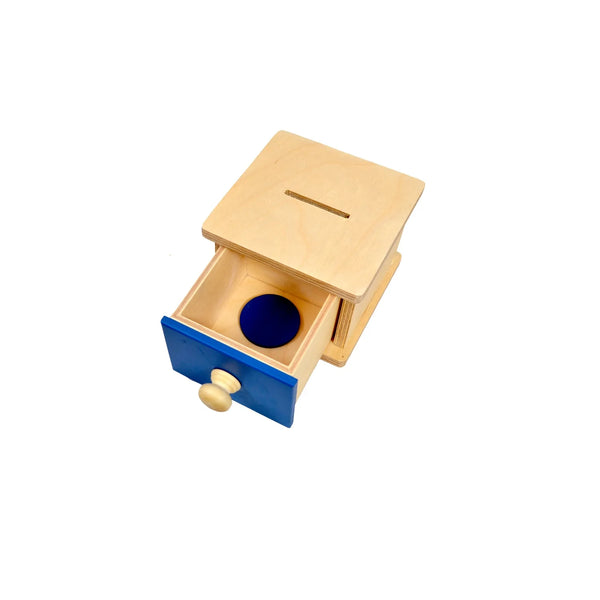
Montessori educational toys India are renowned for their focus on self-correction and intrinsic motivation. A child isn't told how to play; they discover it through interaction with the material. This autonomy is crucial for children who may struggle with external directives or social cues. Simple wooden blocks, interlocking cubes, or even practical life materials like pouring sets become powerful tools for problem-solving, creativity, and developing fine motor skills at one's own pace. This supports diverse learning profiles and offers rich inclusive play ideas.
4. Fostering Social-Emotional Growth: Connecting Through Play
Play is a primary vehicle for social and emotional development. For inclusive play, toys should facilitate interaction, empathy, and understanding among children. This doesn't always mean highly interactive electronic toys; often, the simplest materials offer the richest opportunities for connection.
Consider role-playing sets, cooperative board games (adapted for various abilities), or even art supplies that can be shared. When children engage with a toy together, they learn to communicate, negotiate, and understand different perspectives. This is particularly important for fostering empathy in children without special needs, helping them appreciate the unique ways their peers learn and play. Child development frameworks, including those from NCERT, emphasize the importance of social interaction for holistic growth, making shared play a cornerstone of inclusive environments.
Putting the Framework into Action: Your Next Steps
Navigating the world of educational toys for inclusive play in India doesn't have to be a daunting task. Begin by observing your child and their peers: What sparks their interest? What challenges do they face? How do they prefer to learn? The answers to these questions are your best guide.
Tonight, consider how existing toys in your home can be used in new, more adaptable ways. Can a simple scarf become a sensory tool? Can kitchen utensils be used for imaginative play? Remember, the best educational toys are those that invite exploration, adapt to every child, and create a space where everyone belongs. Explore a curated selection of Montessori and educational toys designed to support every child's journey at SkilloToys.com.