Hindi Alphabets Accessible: Educational Toys for Special Needs
Making Hindi alphabets accessible for special needs children involves integrating multisensory educational toys that cater to diverse learning styles, providing tactile, visual, and auditory engagement. This approach helps bridge developmental gaps, empowering children to confidently grasp foundational language skills within an Indian context. Research consistently demonstrates that tailored learning experiences significantly enhance educational outcomes for children with varied abilities.
Accessible Hindi Alphabet Learning for Special Needs is a pedagogical approach that adapts teaching methods and materials to suit varied cognitive, sensory, and physical needs. This matters because it ensures every child, regardless of ability, can engage meaningfully with their linguistic heritage. Indian parents can choose specialized educational toys to create an inclusive and effective learning environment at home.
Understanding Multisensory Learning for Hindi Alphabet Learning Special Needs
Multisensory learning is a cornerstone for effective education, especially for children with special needs. This method engages multiple senses – sight, sound, touch, and movement – simultaneously, which is critical for children who process information differently. For learning complex characters like Hindi varnamala, tactile exploration of letters, alongside visual recognition and auditory reinforcement, creates stronger neural connections.
Child development experts agree that this integrated approach supports memory, comprehension, and retention. In recent times, the conversation around inclusivity in toys has gained momentum, with initiatives like the 'Autistic Barbie' highlighted in the Deccan Herald and The Times of India, underscoring a societal shift towards acknowledging and catering to diverse needs. This broader push for inclusivity extends directly to how we approach educational toys, ensuring they truly serve all children.
Maria Montessori's philosophy, emphasizing hands-on learning with concrete materials, perfectly aligns with the principles of multisensory education. Her approach has shown remarkable success in aiding children, including those with special needs, to learn fundamental concepts by allowing them to manipulate and experience the learning material directly. This empowers children aged 3-6 years to explore at their own pace.
Choosing Educational Toys for Hindi Letters: Key Considerations
Selecting the right educational toys Hindi letters is paramount for children with special needs. Parents should look for toys that are durable, safe, and culturally relevant, resonating with the rich linguistic environment of an Indian household. The ideal toys offer varied sensory inputs, ensuring every child finds a way to connect with the Hindi script.
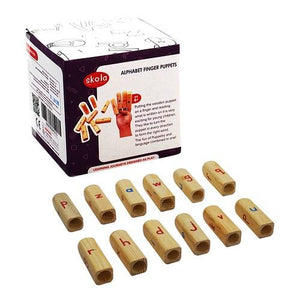
Consider sandpaper letters, which provide a unique tactile experience, allowing children to trace the form of each Hindi letter. Wooden block sets with embossed or painted Hindi characters offer visual and tactile engagement, aiding in both letter recognition and fine motor skills development. These materials transform the abstract idea of a letter into a tangible object that can be felt and explored.
Interactive sound puzzles that pronounce the Hindi alphabet when a letter is placed correctly can also be incredibly beneficial. Studies indicate that auditory cues, combined with visual and tactile learning, can significantly improve language acquisition in children with conditions such as dyslexia or auditory processing disorders. Prioritising these multisensory aspects is crucial for inclusive learning.
Inclusive Hindi Learning Toys: Bridging Gaps at Home
Creating an inclusive and stimulating environment at home is vital for children with special needs learning Hindi. Inclusive Hindi learning toys are not just tools; they are bridges connecting children to their language and culture. In Indian joint families, grandparents often play a crucial role in language transmission, and these toys can become wonderful shared activities, fostering bonding alongside learning.
Parents can set up a dedicated 'Hindi Corner' with a variety of materials: flashcards, magnetic Hindi alphabets for the fridge, and simple storybooks. Encouraging daily, short play sessions with these toys can build consistency without overwhelming the child. The pressure of formal schooling can often be intense in India, making a relaxed, play-based approach at home even more valuable.
For instance, using large, colourful foam Hindi letters during bath time or having children arrange wooden letters to spell simple words like 'माँ' (Maa) or 'जल' (Jal) makes learning organic and joyful. This integration into daily life helps normalise the learning process, making it less daunting and more inviting for the child and the entire family.
Integrating Technology and Traditional Wisdom for Accessible Learning
While physical, hands-on educational toys form the bedrock of accessible Hindi alphabet learning, technology can offer valuable supplementary support. Interactive apps specifically designed for Hindi alphabets, with clear pronunciation and visual aids, can provide additional reinforcement. However, balance is key; excessive screen time should be avoided in favour of tangible interactions.
The strength of traditional Indian pedagogy lies in its emphasis on repetition, storytelling, and familial involvement. Combining the innovative design of modern educational toys with the timeless wisdom of oral traditions creates a powerful learning synergy. For example, parents can use alphabet toys while narrating traditional Indian tales, linking letters to words that evoke cultural richness.
This blended approach ensures that children not only learn the mechanics of the Hindi script but also connect it to the broader cultural tapestry. It empowers parents to be active participants in their child's learning journey, adapting methods to suit the child's unique pace and style, much like Maria Montessori advocated for individualized education.
The Role of Community and Support in Special Needs Education
No parent needs to navigate the journey of special needs education alone. Support from therapists, special educators, and parent communities is invaluable. These professionals can guide parents in choosing the most appropriate educational toys and techniques for their child's specific needs, offering personalized strategies that go beyond a generic guide.
Connecting with other parents through support groups or online forums can provide encouragement, shared experiences, and practical tips on making Hindi alphabets accessible. Knowing that others understand and share similar challenges can significantly reduce feelings of isolation. This collaborative approach ensures a holistic support system for both the child and the family.
Ultimately, the goal is to foster a sense of accomplishment and confidence in every child. When children with special needs successfully engage with and learn their mother tongue, it builds self-esteem and opens doors to greater communication and social inclusion. This is a journey of patience, love, and the right tools, ensuring every child can embrace their linguistic heritage with joy.
- Multisensory educational toys are crucial for making Hindi alphabets accessible to special needs children in India.
- The integration of tactile, visual, and auditory learning strengthens comprehension and retention for diverse learners.
- Choosing durable, safe, and culturally relevant toys enhances engagement and aligns with Indian household values.
- Maria Montessori's principles of hands-on, concrete learning are highly effective for teaching foundational language skills.
- A balanced approach combining physical educational toys with supportive technology optimizes learning outcomes.
- Parental involvement and community support are essential for creating an inclusive and effective Hindi learning environment at home.
What is multisensory learning for Hindi alphabets?
Multisensory learning for Hindi alphabets involves engaging multiple senses simultaneously – touch, sight, and sound – to help children with special needs grasp letters more effectively. This approach strengthens neural pathways, making the learning process more robust and memorable for varied cognitive styles.
How do educational toys help special needs children learn Hindi?
Educational toys provide a structured, engaging, and repetitive way for special needs children to interact with Hindi letters. They offer tactile experiences, visual cues, and sometimes auditory feedback, transforming abstract concepts into concrete, manageable learning steps that cater to individual needs.
Which types of toys are best for inclusive Hindi learning?
The best toys for inclusive Hindi learning are those that offer varied sensory input, such as wooden letter puzzles, sandpaper Hindi varnamala, magnetic letters, and interactive sound books. Toys that promote fine motor skills alongside letter recognition are also highly beneficial, supporting holistic development.
Can technology aid in teaching Hindi alphabets to special needs children?
Yes, technology can significantly aid in teaching Hindi alphabets to special needs children through interactive apps and digital resources that offer adaptive learning paths and engaging visuals. However, it is most effective when used in conjunction with hands-on, physical educational toys to ensure balanced sensory development and reduce screen time.
How can Indian parents create an inclusive Hindi learning environment at home?
Indian parents can create an inclusive Hindi learning environment by incorporating accessible educational toys, establishing a consistent routine, and celebrating small achievements. Encouraging family involvement, like grandparents narrating stories in Hindi, also creates a rich, supportive linguistic atmosphere that fosters natural learning.