Tamil Nadu Toy Policy: Boost for Made in India Inclusive Montessori Toys
The recent announcement of the Tamil Nadu toy manufacturing policy by the state government marks a pivotal moment for the Indian toy industry, particularly promising a significant boost for 'Made in India' inclusive Montessori toys designed for special needs children. This forward-thinking initiative is poised to transform Tamil Nadu into a major toy production hub, directly benefiting countless Indian families by increasing the availability of high-quality, culturally relevant educational tools while simultaneously empowering local artisans.
For parents, therapists, and inclusive educators across India, this policy offers a beacon of hope. It signals a shift towards localized production that can better cater to the nuanced needs of children with diverse learning abilities, moving beyond generic imports to embrace materials and designs rooted in Indian heritage.
What is the Tamil Nadu Toy Manufacturing Policy?
The Tamil Nadu toy manufacturing policy is a government initiative aimed at attracting investments, creating infrastructure, and offering incentives for toy manufacturers within the state. This matters because it seeks to establish India as a global toy production leader, reducing reliance on imports and fostering indigenous innovation. Indian parents can look forward to a wider array of affordable, high-quality, and safety-certified 'Made in India' toys.
Bridging Policy & Play: How the Tamil Nadu Policy Shapes Inclusive Education
The vision behind the Tamil Nadu toy manufacturing policy extends far beyond mere economic growth; it inherently supports the creation of specialized educational resources. By promoting local manufacturing, the policy encourages the development of 'Made in India' inclusive toys that are specifically designed for children with special needs.
This localized approach means toys can be conceptualized and produced with direct input from Indian educators and child development experts, ensuring they are developmentally appropriate and culturally resonant. It's about crafting a Montessori learning material that understands the rhythms of an Indian joint family or the unique sensory needs of a child navigating a busy urban environment.
Montessori Toys for Special Needs: A Culturally Grounded Approach in India
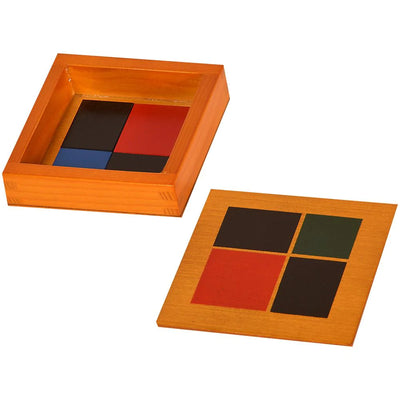
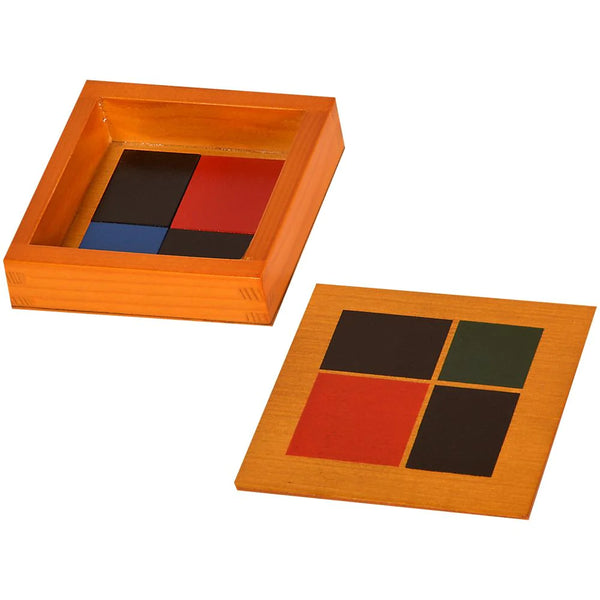
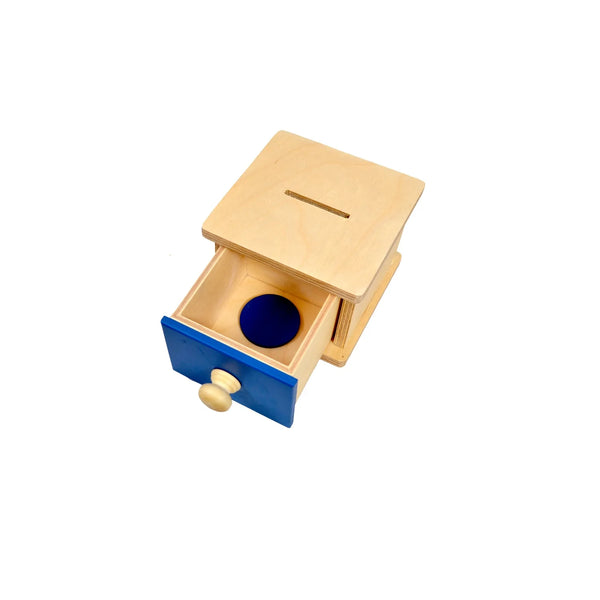
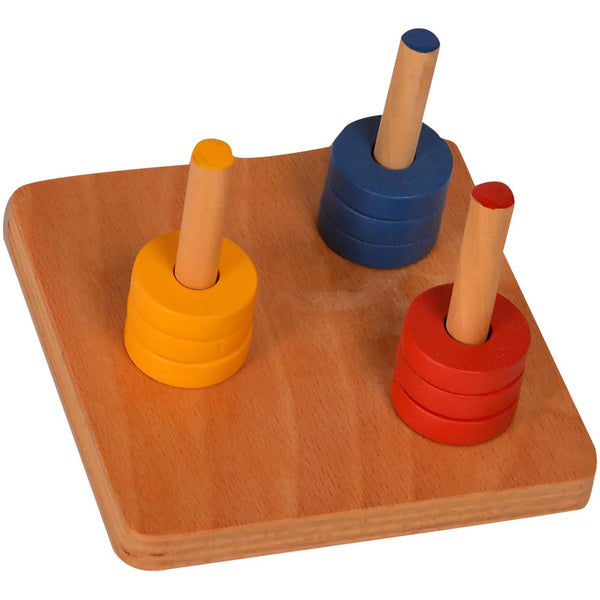
Montessori education, founded by Dr. Maria Montessori, inherently champions individualized learning and self-correction, making its materials incredibly beneficial for children with special needs. The structured nature of Montessori toys, such as the tactile Sandpaper Letters for pre-writing skills or the Pink Tower for developing spatial awareness and problem-solving, provides a predictable and engaging environment.
Child development experts agree that for children with autism spectrum disorder, ADHD, or other developmental delays, the hands-on, multi-sensory experience offered by Montessori materials can significantly enhance concentration and skill acquisition. When these fine motor skill toys are 'Made in India' using local, natural materials, they also offer a sensory experience that is familiar and comforting, rather than alien.
For instance, a wooden counting board crafted from sustainably sourced Indian timber not only teaches numbers but also connects a child to the natural world around them, a connection often lost in mass-produced plastic toys. Studies indicate that engagement with natural materials can reduce stress and improve cognitive functioning in children.
Empowering Artisans, Enriching Play: The Revival of Indian Educational Toys
A crucial aspect of the Tamil Nadu toy manufacturing policy and the broader Indian educational toys policy is the deliberate focus on artisan revival toys. India boasts a rich heritage of traditional toy-making, from the vibrant Channapatna wooden toys of Karnataka to the lacquered toys of Kondapalli in Andhra Pradesh.
This policy provides a framework to integrate these exquisite traditional skills into modern inclusive toy development. Imagine a local artisan, skilled in intricate wood carving, creating a set of Montessori puzzles that depict Indian festivals or regional animals. Such artisan-crafted toys offer unparalleled quality, durability, and a unique sensory experience, often utilizing natural dyes and non-toxic finishes, which is paramount for children, especially those with sensitivities.
The empowerment of these local artisans means preserving valuable cultural heritage while simultaneously producing highly specialized and beautiful educational tools for our children. This approach ensures that local toy production India becomes synonymous with quality, cultural relevance, and social responsibility.
From Policy to Playground: A Future for Local Toy Production in India
The Tamil Nadu government's proactive step towards becoming a toy-making hub signifies a monumental shift. It's an investment not just in manufacturing, but in the future of our children, particularly those who benefit most from specialized attention and resources. By fostering local toy production India, we are building a robust ecosystem that values quality, safety, and cultural authenticity.
For parents navigating the journey of raising a child with special needs, this policy means greater access to inclusive, 'Made in India' Montessori toys that truly resonate with their child's developmental path and cultural context. As this policy takes root, we encourage you to look for toys that proudly carry the 'Made in India' stamp, supporting both local craftsmanship and the promise of a brighter, more inclusive play future for every child.