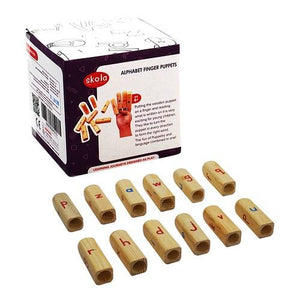
Hindi Alphabets: Multi-Sensory Montessori Guide for Special Needs
Teaching **hindi alphabets** to special needs children through a multi-sensory Montessori approach integrates touch, sight, and sound, significantly enhancing comprehension and retention. This method leverages specially designed materials and individualized learning pathways, making the complex Devanagari script accessible and engaging for every child in an Indian home.
For parents and educators navigating the unique learning landscape of special needs children, a truly inclusive approach is paramount. Just as the global conversation shifts towards greater inclusivity, exemplified by initiatives like the Autistic Barbie, SkilloToys champions educational tools that foster an environment where every child, irrespective of their learning style, can thrive.
What is Multi-Sensory Montessori Learning?
Multi-sensory Montessori learning is an educational method that simultaneously engages multiple senses—visual, auditory, tactile, and kinesthetic—to facilitate understanding. This matters immensely for special needs children as it accommodates diverse learning styles, bypassing traditional barriers to absorb information. Indian parents can effectively implement this approach using curated Montessori materials at home or in inclusive classrooms, mirroring the dedication to fostering inclusivity seen in wider society.
Montessori’s Foundation for Diverse Learners: More Than Just Play
Maria Montessori's philosophy, deeply rooted in respecting the individual pace and style of each child, provides an exceptional framework for special needs education. It emphasizes hands-on learning, a 'prepared environment,' and materials that isolate concepts, which is vital for children who benefit from structured, repetitive engagement. Child development experts agree that this self-correcting nature of Montessori materials builds confidence and independence.
Research indicates that when learning environments are tailored to sensory preferences, children with special needs show significant improvements in academic outcomes and social-emotional development. This approach transforms the often-daunting task of learning into an enjoyable exploration, preparing them for the academic pressures of school life, much like how toys designed for autistic children are fostering broader inclusivity.
Tactile Engagement: Feeling the Hindi Varnamala Tactile Alphabets for Special Needs
Tactile learning is a cornerstone of multi-sensory education, especially powerful for special needs children learning **hindi alphabets**. Materials like sandpaper letters allow children to physically trace the shape of each letter, associating the tactile sensation with its visual form and sound. This direct, hands-on experience imprints the letter into memory more effectively than sight or sound alone.
In Indian homes, parents can create DIY tactile letters using materials like semolina (suji), sand, or even thick cardboard. Encourage your child to trace these letters with their fingers, feeling the curves and lines of ‘क’ or ‘अ’. This engagement stimulates neural pathways, making abstract concepts concrete. Our fine motor skill toys collection offers resources that further develop the dexterity needed for such tracing activities.
Auditory Reinforcement: The Sound of Learning Auditory Hindi Learning Children
Auditory learning is integral to mastering any language, particularly one as phonetically rich as Hindi. For special needs children, linking the visual form of an alphabet to its correct sound requires focused, repetitive auditory input. This can be achieved through various engaging activities that make learning enjoyable and memorable.
Encourage grandparents to recite Hindi poems, sing traditional folk songs (loris), or simply narrate stories using simple Hindi words. Incorporate specific alphabet sounds into daily routines, like “यह क-क-क-कबूतर है” while pointing to a pigeon. Studies show that consistent exposure to clear, articulated sounds significantly enhances phonological awareness in children, laying a solid foundation for reading and writing.
Visual Clarity: Seeing the Devanagari Script Visual Hindi Alphabets Special Needs
Visual learning aids provide crucial scaffolding for special needs children, helping them to distinguish and remember the intricate forms of the **hindi alphabets**. Clear, uncluttered visual representations are key, reducing cognitive overload and allowing children to focus on one letter at a time. The right visuals can transform a challenge into an opportunity for engagement.
Use large, colourful flashcards with one letter per card, possibly paired with an image representing a word starting with that letter (e.g., ‘अ’ for ‘अनार’). Display an **Montessori Hindi varnamala chart** in their learning space. These consistent visual cues aid in recognition and recall, creating a familiar and predictable learning environment that supports cognitive development. Visual learners thrive when they can clearly see the distinct characteristics of each alphabet.
Integrating Kinesthetic Learning: Moving with Alphabets
Kinesthetic learning involves movement and active participation, offering another powerful pathway for special needs children to learn. Incorporating gross motor activities can help cement the understanding of **hindi alphabets** by linking them to physical actions. This method is particularly beneficial for children who learn best by doing.
Encourage children to ‘draw’ large Hindi letters in the air with their entire arm, or trace them on a whiteboard or sand tray. You can even make a game of “find the ‘क’” by having them physically move towards a specific letter. This active engagement creates strong muscle memory and makes the learning process dynamic and fun, reducing the stress often associated with academic tasks.
Creating an Inclusive Montessori Environment at Home
Establishing a supportive and stimulating environment at home is critical for the multi-sensory learning journey. This doesn’t require an elaborate setup; rather, it focuses on intentional choices and consistent practices that cater to your child's needs. Creating a dedicated ‘learning corner’ with accessible **Montessori Hindi varnamala special needs** materials can make a significant difference.
Provide a mix of tactile, auditory, and visual materials for Hindi alphabets. Offer choices, allowing the child to pick the activity that appeals most to them at that moment, fostering independence and self-motivation. Remember, patience and positive reinforcement are your greatest tools, creating a safe space for exploration and growth.
Key Takeaways
- Multi-sensory Montessori learning significantly improves **hindi alphabets** comprehension and retention for special needs children.
- Tactile experiences, such as tracing sandpaper letters, directly engage children and enhance memory formation.
- Consistent auditory input, like Hindi rhymes and stories, strengthens phonological awareness in diverse learners.
- Clear visual aids, including flashcards and charts, are essential for distinguishing and recognizing complex Devanagari script.
- Kinesthetic activities, involving movement and gross motor skills, create strong muscle memory for letter shapes.
- An inclusive home environment with accessible Montessori materials empowers children to learn at their own pace.
- The focus on inclusion in education mirrors the broader societal push for diversity in areas like the toy industry, emphasizing a compassionate approach to child development.