Toys for Autistic Children: Montessori Drives Inclusivity in India
The recent Livemint article, 'How toys for autistic children can foster inclusivity,' rightly spotlights the profound impact of thoughtful play. For Indian parents navigating the world of autism, finding the right toys for autistic children isn't just about entertainment; it's about empowerment. At SkilloToys, we see how Montessori educational materials specifically drive real inclusivity, not just by occupying children, but by building essential skills and fostering independence.
Montessori for Autistic Children is an educational approach that provides a carefully prepared environment and self-correcting materials, allowing children to learn at their own pace through hands-on exploration. This matters because it directly addresses common autistic traits like a need for order, repetitive actions, and sensory processing differences. Indian parents can implement this by selecting purposeful toys and creating a calm, predictable play area at home.
Beyond the Buzz: How Montessori Toys for Autistic Children Build Foundational Skills
While the Livemint piece speaks broadly, Maria Montessori's philosophy offers a concrete pathway. Her focus on a 'prepared environment' is profoundly beneficial for autistic children in India, whether they are in a bustling joint family or a quieter urban apartment. This environment reduces sensory overload, providing clear boundaries and purpose for each activity, allowing children to focus without distraction.
Child development experts agree that a predictable routine and environment significantly reduce anxiety in children with autism. Montessori materials, like the Pink Tower or graded cylinders, offer structured exploration. Each material has a specific purpose and a 'control of error' embedded within it, meaning the child can self-correct without adult intervention, fostering immense independence and self-esteem.
Research shows that this self-directed learning approach, where children master skills through repetition and intrinsic motivation, is incredibly effective. For a child like Aarav, a 4-year-old from Bengaluru who thrives on routine, stacking the cylinders in order repeatedly builds not just fine motor skills but also a deep sense of accomplishment. This quiet mastery is a cornerstone of Montessori's impact.
Fostering True Inclusivity: More Than Just Playtime for Autistic Children in India
True inclusivity extends beyond simply being present; it's about meaningful participation and connection. Montessori materials are often designed for individual work, but this focused engagement paradoxically prepares children for social interaction. When a child masters a task, they gain confidence that naturally spills over into their interactions with siblings, cousins, and friends.
In an Indian joint family setting, where children often learn through observation and imitation, a child with autism engaged with a Montessori material like the Sandpaper Letters might spark curiosity in a younger sibling. This can lead to parallel play, a crucial step towards collaborative play, where they share the learning space, even if not directly interacting initially. This quiet co-existence builds a bridge to shared experiences.
The focus on practical life skills in Montessori education also translates directly into better integration into daily family life. Learning to button shirts, pour water, or clean up spills using Montessori tools empowers children with autism to contribute to household chores during festivals or daily routines. This contribution makes them feel valued and part of the family fabric, a core aspect of inclusivity in India.
Quality Educational Toys for Inclusive Growth
As India increasingly recognizes the importance of local toy manufacturing, highlighted by initiatives like 'TN set to turn toy-making hub', it's crucial that we champion the production of high-quality, educationally sound toys. Montessori materials, often crafted from natural wood, provide sensory feedback without overstimulation, a key benefit for many autistic children. They are durable, safe, and designed with developmental milestones in mind, ensuring purposeful play.
Practical Montessori for Indian Homes: Selecting Inclusive Toys for Autistic Children
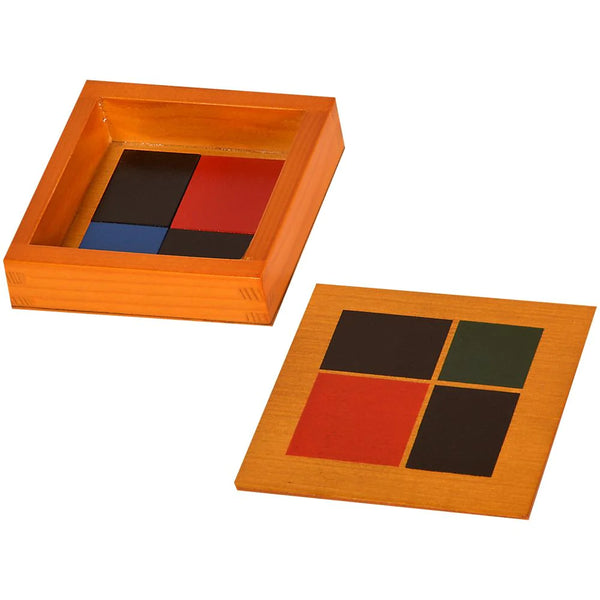
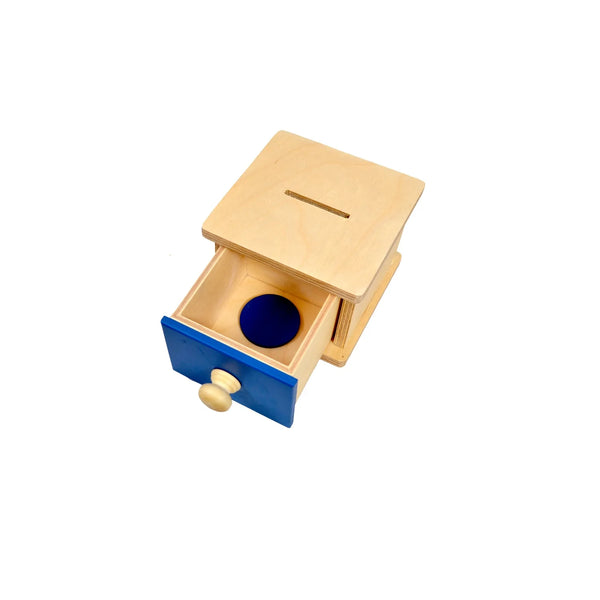
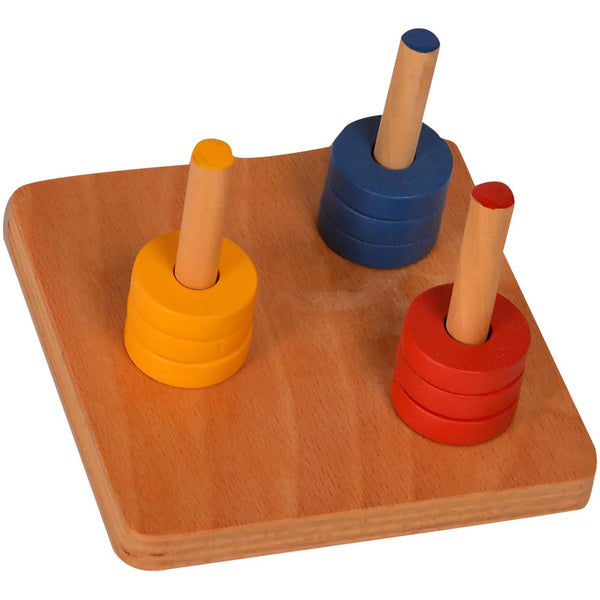
For parents in Chennai, Mumbai, or any part of India seeking the best toys for autistic children, the key is thoughtful selection. Start with materials that isolate a single concept: for fine motor skills, consider knobbed puzzles or beading activities. For sensory input, explore textured blocks or water pouring exercises. Remember, the goal isn't to have a room full of toys, but a few purposeful ones.
Observing your child is paramount. Does your child gravitate towards sorting? Offer a colour sorting activity. Do they enjoy repetitive actions? Provide a pouring station with different sized jugs. This responsiveness to the child's 'sensitive periods'—times of intense interest in specific learning areas—is a hallmark of the Montessori approach and ensures engagement.
In an era where screen time is a constant battle for many Indian parents, offering engaging, hands-on Montessori alternatives can be a game-changer. These materials provide tangible feedback and build concentration, crucial skills often overlooked in digital play. Grandparents, often keen to support their grandchildren's development, can be wonderful allies in setting up a dedicated Montessori shelf at home, fostering a shared learning journey.
The conversation ignited by Livemint reminds us of the power of play. For children with autism in India, Montessori educational toys are not just playthings; they are instruments of independence, tools for concentration, and pathways to genuine inclusivity. By choosing purposeful materials and embracing a child-centred approach, we can empower every child to thrive and participate fully in their world. Explore our full range of Montessori learning materials today.