Wooden Puzzles for Kids: Special Needs Development Guide India
Selecting the right wooden puzzles for kids with special needs is a definitive step towards fostering crucial developmental milestones, particularly in the diverse landscape of Indian households. Research shows that engaging with specially chosen Montessori materials can significantly enhance a child's fine motor skills, cognitive abilities, and sensory integration, providing a foundation for independent learning. The recent focus by platforms like Livemint on how toys for autistic children can foster inclusivity further underscores the importance of thoughtful selection.
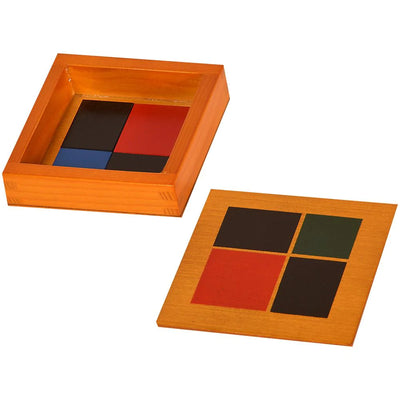
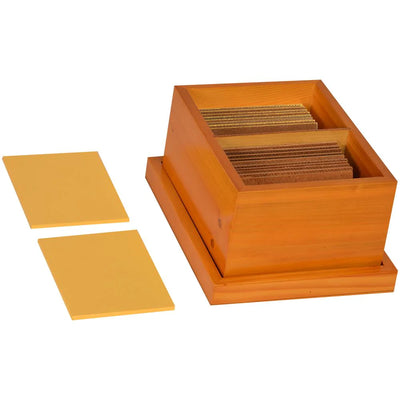
Montessori wooden puzzles are educational tools crafted from natural wood, designed with specific learning objectives to encourage self-correction, concentration, and skill mastery. These materials matter because they provide a structured, hands-on approach to learning that respects a child's individual pace and interests, empowering Indian parents to support their child's unique developmental journey.
Understanding Developmental Needs: The Foundation for Choosing
For parents in India, navigating the specific developmental needs of a child with special needs can be a unique journey. Child development experts agree that a tailored approach to play, focusing on individual strengths and areas needing support, yields the most positive outcomes. Understanding which developmental area a puzzle targets is paramount before making a selection.
Fine Motor Skills: Precision and Grip
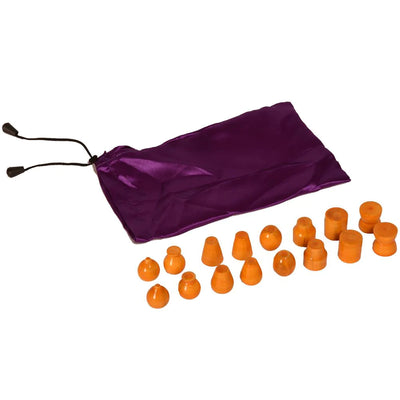
Many children, particularly those with conditions affecting motor planning or muscle tone, benefit immensely from activities that refine fine motor control. Wooden knobbed puzzles, for instance, are exemplary Montessori materials that naturally promote the pincer grasp – the delicate finger-thumb coordination crucial for writing, buttoning, and self-care. The satisfying click of a piece fitting into place provides instant feedback, encouraging repetition and mastery.
For a 3-year-old like Rohan in Chennai, who struggles with holding crayons, a puzzle requiring careful placement of small, distinct shapes can transform a challenging task into an engaging play session. The American Academy of Pediatrics highlights the critical role of early fine motor skill development in overall independence and academic readiness. Explore our collection of toys and games for fine motor skills to find suitable options.
Cognitive Development: Problem-Solving and Logic
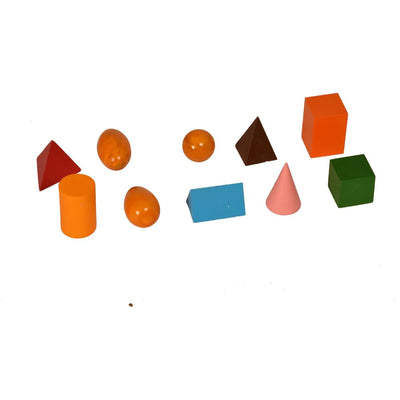
Cognitive puzzles for special needs children are designed to stimulate problem-solving, memory, and logical reasoning. These can range from simple shape sorters that introduce object permanence and classification, to more complex sequence puzzles that build foundational skills for mathematical understanding and narrative sequencing. For a child with learning differences, these puzzles offer a concrete, visual way to grasp abstract concepts.
Imagine young Ananya, growing up in a joint family in Bengaluru, learning to categorize different farm animals by placing them in their respective puzzle slots. This seemingly simple act helps her develop early logical thinking and vocabulary in a natural, play-based setting. Studies indicate that sustained engagement with such educational wooden puzzles supports brain development by creating new neural pathways, fostering greater cognitive flexibility.
Sensory Integration: Touch and Exploration
For children with sensory processing differences, finding toys that provide appropriate sensory input is key. Some wooden puzzles feature varied textures – smooth, rough, grooved – or even subtle sounds, offering crucial tactile and auditory stimulation. These sensory puzzles can be incredibly grounding for an overstimulated child or stimulating for one seeking more input, helping them regulate their nervous system.
A child who is highly tactile-seeking might find immense satisfaction in a textured wooden puzzle, running their fingers over the different surfaces before attempting to fit the pieces. This kind of multi-sensory engagement, often missing in highly electronic toys, is invaluable. The NCERT's 2019 framework for early childhood education consistently emphasizes the importance of hands-on, multi-sensory experiences for holistic development.
Choosing the Right Puzzle: A Practical Approach for Indian Homes
The journey of selecting the perfect Montessori wooden puzzles for development isn't just about the toy itself; it's about the child and their unique interaction with it. In Indian homes, where space might be limited or the presence of grandparents offers additional care, thoughtful selection can make a significant difference in a child's learning environment.
Observing Your Child: The First Step
Often, the most impactful learning comes not from a toy that is 'easy,' but one that offers a 'just right' challenge – enough to engage without overwhelming. This 'sweet spot' is unique to every child, especially those with special needs, and requires keen observation from parents and caregivers. Watch how your child approaches a new puzzle: Do they show interest? Do they get frustrated easily? Are they able to persist with gentle guidance?
A 4-year-old with a short attention span might thrive with a simple 3-piece puzzle, while a child of the same age with advanced spatial reasoning might need a 12-piece geometric puzzle. Your child's engagement, not their chronological age, should be your primary guide. This thoughtful approach helps integrate these Montessori method learning materials effectively into their daily routine.
Adapting Puzzles for Individual Progress
Sometimes, a puzzle needs adaptation to match a child's current ability. For instance, if a child struggles with a multi-piece puzzle, start by offering only a few pieces at a time. Provide verbal cues, model the action, or use visual aids. The goal is to build confidence and skills incrementally, avoiding unnecessary frustration that can lead to disengagement. This patient approach is deeply resonant with traditional Indian parenting values, where fostering resilience is paramount.
The SkilloToys.com Difference: Curated for India
At SkilloToys.com, we understand the unique needs of Indian parents seeking inclusive and effective educational tools. Our selection of Montessori wooden puzzles is thoughtfully curated to address various developmental milestones, from fine motor skills to advanced cognitive functions, all while adhering to the principles of quality and child safety.
We believe that every child deserves the opportunity to learn and grow through purposeful play. Our Bengaluru-based team ensures that our offerings resonate with the cultural context and educational aspirations of Indian families, providing support for children with special needs through expertly designed, durable wooden puzzles. Choosing SkilloToys means choosing a partner in your child's developmental journey.