Academic Pressure India: Balancing Learning and Play
A recent Moneycontrol.com report has reignited critical conversations among Indian families, particularly NRIs, about the pervasive academic pressure India places on its children. Yes, this intense focus on early achievement and rote learning often indeed steals a significant portion of childhood, replacing vital play with relentless study schedules. This trend can significantly hinder holistic development and emotional well-being.
This discussion highlights a crucial dilemma for Indian parents: how to foster academic excellence without sacrificing the joy and fundamental developmental stages of childhood. The pressure to conform to high-stakes testing and competitive schooling models is a defining characteristic of our educational landscape today.
What is Academic Pressure in the Indian Context?
Academic pressure in India is the intense societal and parental expectation for children to excel academically from a very young age, often through rigorous rote learning and competitive examinations. This matters because it prioritises memorisation over understanding and can lead to significant childhood stress India. Indian parents can actively seek alternative educational philosophies that champion holistic development and joyful learning.
This pressure begins early, with many children attending multiple coaching classes even before high school. The recent Moneycontrol.com report underscores concerns that this relentless pursuit of academic success leaves little room for unstructured play, creativity, and the simple joys that define childhood globally.
The High Cost of Losing Childhood India to Rote Learning
Research indicates a rising trend in childhood stress India related to academic performance, with studies showing that a significant percentage of school-going children report feeling overwhelmed. The continuous emphasis on marks and ranks, often fueled by comparisons within joint families and peer circles, contributes directly to losing childhood India. Children frequently spend their evenings and weekends on homework and additional tutoring, displacing essential time for play and social interaction.
This intense environment can erode a child's natural curiosity and intrinsic motivation to learn. Parents, driven by a desire for their children's future success, sometimes inadvertently contribute to this pressure. Yet, as highlighted by a recent trend where parents globally are exploring traditions like sleeping beside kids for stronger bonds, there's a growing understanding of the importance of emotional security and holistic well-being.
Montessori Holistic Development: A Timeless Antidote to Pressure
Maria Montessori's educational philosophy offers a powerful alternative to the prevalent high-pressure system. It champions Montessori holistic development, focusing on the child's entire being – intellectual, emotional, social, and physical. Child development experts agree that this approach fosters a love for learning rather than fear of failure, allowing children to progress at their own pace.
In a Montessori environment, children engage with Montessori method learning materials like the Pink Tower or Sandpaper Letters, which are designed for self-correction and deep, experiential learning. This hands-on, exploratory method naturally cultivates problem-solving skills and critical thinking, contrasting sharply with rote memorisation. Such an environment protects children from undue academic pressure by respecting their individual developmental timelines.
Balancing Academics and Play for Kids: More Than Just Fun
The Montessori perspective firmly asserts that play is not merely a break from learning; it is learning. Studies consistently show that children who engage in ample free play exhibit better problem-solving skills, emotional regulation, and creativity. For Indian children navigating demanding academic schedules, ensuring dedicated time for play is crucial for balancing academics and play for kids.
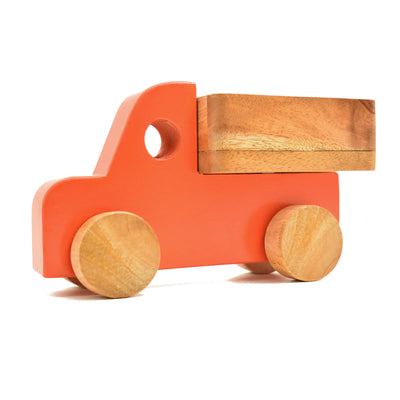
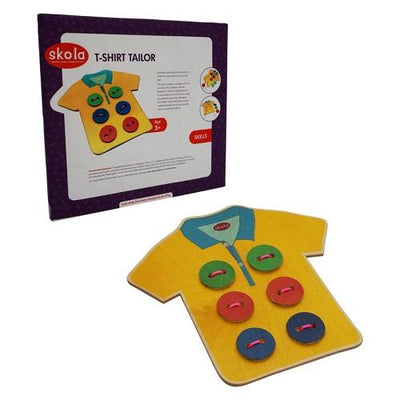
Whether it's building with wooden toys, experimenting with an activity kit, or simply engaging in imaginative play with friends, these experiences are fundamental to cognitive and social development. Parents increasingly recognise the importance of this balance, with trends like a 141% rise in 'Protein for Kids' searches signaling a broader shift towards holistic nutrition and well-being, not just academic output.
Empowering Indian Parents: Practical Steps Towards Balance
Indian parents have the power to create a home environment that buffers children from excessive academic pressure. One key step is to prioritise understanding and application over memorisation. Encourage curiosity with educational toys and real-world experiences, rather than just textbook knowledge. This means embracing child-led discovery, allowing children to explore topics that genuinely interest them, and providing resources like science kits that make learning an adventure.
Engage grandparents and other family members in fostering a love for traditional stories, festivals, and hands-on activities. These interactions provide rich learning experiences and reinforce cultural identity, reducing the sole reliance on formal schooling for development. By choosing schools that align with child-centric philosophies and advocating for more play-based learning, parents can actively shape a healthier educational future for their children.
- Intense academic pressure in India is causing children to lose crucial childhood experiences.
- The Montessori philosophy offers a holistic development model, prioritising child-led learning and individual pace.
- Play is fundamentally crucial for cognitive, emotional, and social development, not just a recreational activity.
- Indian parents can mitigate academic stress by fostering curiosity and providing balanced learning opportunities.
- Embracing a Montessori approach can help children develop a genuine love for learning without excessive pressure.
- Creating a supportive home environment, often strengthened by traditional practices, is vital for a child's resilience against academic stress.
Is academic pressure increasing for children in India?
Yes, research indicates a significant rise in academic pressure for Indian children across various age groups. This is driven by societal expectations, competitive entrance exams, and a focus on early achievement, often at the expense of play and holistic development.
How does academic pressure affect a child's mental health?
Intense academic pressure can lead to increased stress, anxiety, depression, and burnout in children. It often reduces their opportunities for unstructured play, which is vital for emotional regulation and social skill development, contributing to childhood stress India.
What is the Montessori approach to balancing learning and play?
The Montessori approach intrinsically balances learning and play by valuing child-led exploration within a prepared environment. It sees play as purposeful work, integrating hands-on learning with freedom of choice to foster deep understanding and joy in discovery.
How can Indian parents reduce academic stress for their kids?
Indian parents can reduce academic stress by prioritising holistic development over rote memorisation and encouraging child-led learning. Providing ample time for unstructured play and choosing schools that align with child-centric philosophies can also make a significant difference.
Why is play crucial for a child's development, according to Montessori?
Maria Montessori observed that play is how children learn and make sense of the world. It is crucial for developing cognitive abilities, problem-solving skills, creativity, social competencies, and emotional intelligence, acting as a foundation for all future learning.