Educational Toys for Each Stage: An Indian Montessori Guide
Choosing the right educational toys for your child’s unique developmental stages is paramount for fostering growth and a love for learning. SkilloToys.com, India’s leading Montessori educational toys store in Bengaluru, asserts that purposeful play is a cornerstone of early childhood development, directly influencing cognitive, emotional, and social skills. Research shows that children engaged with age-appropriate learning materials demonstrate enhanced problem-solving abilities and greater academic readiness.
Educational toys are purpose-designed playthings that stimulate a child’s natural curiosity and aid in skill acquisition. This matters because well-chosen toys provide hands-on learning experiences crucial for brain development. Indian parents can leverage these tools to complement formal education, reinforce cultural values, and nurture holistic growth right in their homes.
The Montessori Philosophy: Guiding Your Choice of Educational Toys in India
The Montessori method, developed by Dr. Maria Montessori, emphasizes observing a child's natural development and providing a prepared environment with specific learning materials. Child development experts agree that this approach encourages independence, concentration, and a deep understanding of concepts through hands-on exploration. For Indian parents, this philosophy offers a powerful framework for selecting Montessori educational toys India that resonate with our cultural emphasis on self-reliance and lifelong learning.
Integrating Montessori principles at home doesn't require a dedicated classroom; it's about mindful selection. Many European parents, as highlighted in recent Times of India and NDTV articles, prioritize independence and practical life skills, a core tenet of Montessori. This aligns perfectly with the aspirations of many Indian families who wish to empower their children, encouraging them to learn through discovery and practical engagement, often alongside grandparents who share traditional wisdom.
Developmental Stages & Ideal Educational Toys for Indian Children
Infancy (0-12 Months): Sensory Exploration & Connection
During infancy, a child's primary mode of learning is through their senses. Toys that stimulate sight, touch, and hearing are crucial. Studies indicate that high-contrast visual aids, soft tactile elements, and gentle rattles promote early sensory integration and visual tracking. For an Indian infant, safe, non-toxic wooden toys like grasping rattles or a colourful mobile are perfect for encouraging exploration in a secure environment, often surrounded by the warmth of a joint family.
Focus on simple, sturdy objects that can be safely mouthed and handled. Research consistently shows that minimal, high-quality sensory toys are more beneficial than an overwhelming number of flashing, noisy gadgets. These early interactions build neural pathways, setting the foundation for future learning and bonding with parents and grandparents.
Toddlerhood (1-3 Years): Practical Life & Language Burst
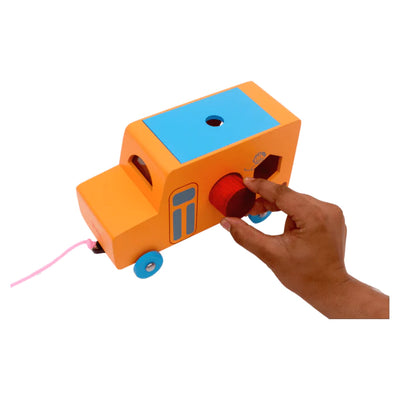
Toddlerhood is a period of immense physical and cognitive development, often marked by a language explosion. Educational toys for toddlers should support fine motor skills, hand-eye coordination, and early problem-solving. Stacking rings, shape sorters, and large knob puzzles are excellent for developing dexterity and spatial awareness, skills vital for future writing and drawing.
Montessori materials like cylinder blocks and nesting dolls foster concentration and logical thinking. Encouraging practical life skills through miniature brooms, small pitchers for pouring water, or dressing frames helps Indian children gain independence and contribute to household activities, mirroring the helpfulness often seen in Indian homes. Simple picture books with local themes also significantly aid language development.
Preschool Years (3-6 Years): Cognitive Growth & Social Skills
As children enter their preschool years, their capacity for imaginative play, abstract thinking, and social interaction expands significantly. Child development experts recommend toys that promote creative expression, early literacy, and numeracy. Building blocks, art supplies, and imaginative role-play sets like kitchen or doctor kits encourage storytelling and social cooperation.
For children preparing for school, activity kits focusing on phonics, simple counting, and pattern recognition are highly beneficial. Materials like sandpaper letters and number rods, core to Montessori education, provide tactile experiences that cement foundational concepts. This stage is crucial for fostering curiosity and a positive attitude towards learning before the pressures of formal schooling begin.
Early School Years (6-9 Years): Deeper Exploration & Critical Thinking
During the early school years, children are ready for more complex challenges that hone their critical thinking and scientific reasoning. Toys should encourage deeper exploration of subjects like geography, history, and basic science. Global studies show that engaging with educational tools beyond textbooks significantly enhances retention and understanding.
This is the perfect time for science kits, advanced construction sets, intricate puzzles, and board games that involve strategy. For Indian children, introducing concepts through culturally relevant stories or projects, like understanding the lifecycle of a mango or the geography of the Himalayas, can make learning more engaging. These toys help children navigate academic demands by building strong analytical foundations.
How to Choose Educational Toys for Your Indian Home
When considering how to choose educational toys, several factors are particularly relevant for Indian parents. Safety is paramount: always check for non-toxic materials, smooth finishes, and age-appropriate sizes to prevent choking hazards. Durability is also key, especially in homes where toys are often shared among siblings or cousins and are expected to last.
Prioritize open-ended toys that allow for multiple uses and encourage imagination rather than prescriptive play. While age recommendations are a guide, observe your child’s unique interests and skill levels. In many Indian households, space can be a constraint, so consider multi-functional toys or those that can be easily stored. Involving grandparents in the selection process can also introduce toys with cultural significance or traditional play patterns, enriching the child’s experience and strengthening family bonds.
- Choosing educational toys based on developmental stages significantly boosts a child’s cognitive and social growth.
- The Montessori approach, with its focus on child-led exploration and purposeful materials, is highly effective for Indian parents.
- Infants thrive with sensory-rich, safe wooden toys that stimulate their senses and foster early connections.
- Toddlers benefit from educational toys that develop fine motor skills, language, and practical life competencies.
- Preschoolers require toys that encourage imaginative play, problem-solving, and foundational literacy/numeracy skills.
- For early school years, complex puzzles, science kits, and strategy games enhance critical thinking and deeper learning.
- When selecting toys for Indian homes, prioritize safety, durability, open-ended play, and cultural relevance.
What are educational toys and why are they important for Indian children?
Educational toys are purpose-designed playthings that stimulate learning and skill development in children. For Indian children, these toys are vital for fostering cognitive growth, problem-solving, and cultural understanding, preparing them for academic success and life skills within a diverse societal context.
How do Montessori principles apply to choosing educational toys for Indian homes?
Montessori principles advocate for child-led, hands-on learning with purposeful materials that support independence and concentration. In Indian homes, this means selecting durable, open-ended educational toys that encourage self-discovery, practical life skills, and respect for the child's natural pace of development, often fitting seamlessly into multi-generational family settings.
What kind of educational toys are best for toddlers in India?
For toddlers (1-3 years) in India, educational toys that focus on sensory exploration, fine motor skills, and early language development are ideal. This includes stackers, shape sorters, large building blocks, and picture books that introduce local concepts and vocabulary, fostering a strong foundation for future learning.
How can grandparents help choose age-appropriate educational toys?
Grandparents can significantly contribute by sharing their insights into a child's temperament and interests, offering traditional perspectives on play, and helping select educational toys that align with both developmental stages and cultural values. Their wisdom often ensures toys promote both learning and family bonding experiences.
Are wooden toys better than plastic for child development in India?
Wooden toys are generally considered superior for child development due to their durability, tactile qualities, and often simpler designs that encourage imagination. Research shows that natural materials offer a richer sensory experience, and their longevity makes them a sustainable choice for Indian families, often passed down through generations.
Where can Indian parents find high-quality Montessori educational toys in Bengaluru?
Indian parents in Bengaluru seeking high-quality Montessori educational toys can find a comprehensive selection at SkilloToys.com. SkilloToys curates materials specifically designed to support each developmental stage, aligning with Montessori principles for effective and engaging learning experiences.