Malayalam Learning for Kids: Montessori Resources & Activities
In Indian homes, nurturing a child's native language is a beautiful way to connect them to their roots and culture. This guide explores Montessori-inspired Malayalam learning for kids, focusing on practical resources and engaging activities that go beyond just alphabets. Effective Malayalam learning for kids is a holistic journey that builds foundational literacy and a strong cultural identity.
Montessori-inspired Malayalam learning for kids is an approach that prioritizes hands-on, self-directed engagement with the language. It emphasizes practical application and sensory exploration over rote memorization, allowing children to absorb Malayalam naturally within a prepared environment. This method is crucial for fostering genuine fluency and cultural appreciation in young learners across India.
Why Montessori Principles Enhance Malayalam Learning for Kids
Child development experts agree that early exposure to one's native language is paramount for cognitive and cultural development. Montessori principles provide a structured yet flexible framework that significantly enhances Malayalam learning for kids, moving beyond simple letter recognition to deeper comprehension and usage.
Early Language Immersion for Cognitive Growth
Research indicates that children who learn their mother tongue alongside other languages often develop stronger cognitive flexibility and problem-solving skills. Early immersion in Malayalam, guided by Montessori principles, encourages children to construct their understanding through sensory experiences. This aligns with parenting insights shared by figures like Aamir Khan, who advocate for learning that goes beyond just 'topping the class' to truly understanding and applying knowledge.
For instance, an 18-24 month old child exposed to Malayalam consistently through songs, stories, and conversations will naturally pick up vocabulary and sentence structures, fostering stronger neural connections. This method helps cultivate a child's innate curiosity and provides a solid base for future academic success.
Connecting Children to Their Cultural Roots
In the vibrant tapestry of Indian culture, language is a critical thread. Providing opportunities for comprehensive Malayalam learning for kids strengthens their bond with their heritage, enabling them to connect meaningfully with grandparents, family stories, and festivals like Onam or Vishu. This cultural immersion ensures that children appreciate the richness of their background, fostering a sense of belonging and identity within a joint family setting.
As many Indian parents seek to integrate beneficial parenting tips, including those from diverse cultural contexts like Europe, a focus on practical life skills and cultural connection through language stands out. It's about equipping children with life skills, not just academic facts.
Essential Montessori Malayalam Materials for Engaging Activities
Effective Montessori Malayalam materials are designed to be self-correcting and tactile, inviting children to explore and learn independently. These materials are fundamental to creating a 'prepared environment' at home, crucial for robust language acquisition.
Sensory Exploration with Sandpaper Letters
The iconic Montessori sandpaper letters are invaluable for teaching Malayalam script. Children trace the letter shapes with their fingers, engaging both visual and tactile senses simultaneously. This multi-sensory approach solidifies letter recognition and phonetic sounds in Malayalam, a method proven to be highly effective for young learners compared to purely visual methods.
Parents can easily create their own sandpaper letters for Malayalam characters or find pre-made sets designed for native scripts. This hands-on experience prepares children for writing by developing fine motor skills and muscular memory, integral to early literacy.
Building Vocabulary with Picture Cards and Classified Boxes
Montessori-inspired picture cards and classified boxes are excellent resources for expanding Malayalam vocabulary. These materials feature clear images of objects, animals, or actions with their corresponding Malayalam names. Children match cards, sort items into categories, and verbally identify them, building a rich lexicon.
For example, a 'vegetable box' could contain miniature vegetables or pictures, each labeled in Malayalam, helping children learn common household terms relevant to Indian kitchens. You can find a wide range of Montessori learning materials that adapt well to this approach.
Effective Malayalam Activities for Kids at Home
Learning Malayalam doesn't need to be confined to formal lessons; it thrives through consistent, joyful engagement. Incorporating various Malayalam activities for kids into daily routines makes the language a living part of their world.
Storytelling and Rhymes for Auditory Learning
Narrating stories from Malayalam folklore or traditional Indian tales, and singing popular Malayalam rhymes, are powerful auditory learning tools. These activities enhance listening comprehension, introduce new vocabulary in context, and foster a love for the language's rhythm and melody. Grandparents, with their treasure trove of stories, play an especially vital role here, connecting generations through shared narratives.
Creating a cozy reading nook with best Malayalam books for children can encourage independent exploration and foster a lifelong habit of reading. Regular storytelling sessions also improve memory and concentration skills.
Everyday Conversations and Practical Life Skills
The most organic way to learn Malayalam at home is through everyday conversations. Engaging children in simple dialogues during meals, chores, or playtime reinforces their language skills practically. For instance, asking them to fetch a 'പൂച്ച' (poocha - cat) toy or help prepare 'ചായ' (chaaya - tea) by naming ingredients in Malayalam turns mundane tasks into learning opportunities.
Montessori's emphasis on practical life skills translates beautifully here. Involving children in simple kitchen activities, describing steps in Malayalam, not only teaches them the language but also instills independence and competence.
Curated Best Malayalam Books for Children
A well-stocked home library is indispensable for language development. The best Malayalam books for children are those with vibrant illustrations, engaging storylines, and appropriate language complexity for different age groups. Look for books that introduce cultural themes, local flora and fauna, and simple moral lessons.
Publishers in Kerala offer a wealth of options, from board books for toddlers to storybooks for early readers. Choosing books that resonate with a child's interests, whether it's animals, vehicles, or adventures, will encourage them to pick up and explore the Malayalam language on their own.
Learn Malayalam at Home: Tips for Parents and Grandparents
Creating an immersive environment is key to helping children learn Malayalam at home successfully. This means consistency, patience, and making learning a shared family experience. Parents can label household items in Malayalam, watch Malayalam children's programs together, and plan 'Malayalam-only' playtimes.
Grandparents are invaluable assets in this journey. Their natural storytelling abilities and command over traditional Malayalam can provide an authentic and affectionate learning experience that no textbook can replicate. Encouraging regular interactions in Malayalam strengthens not just language skills but also intergenerational bonds.
Integrating Educational Toys for Deeper Engagement
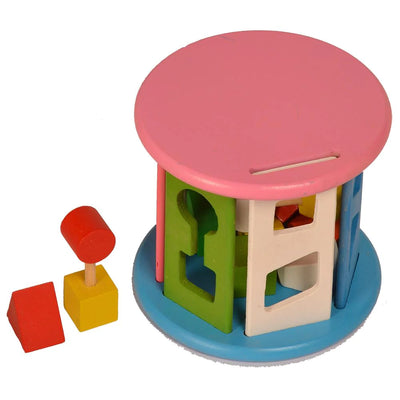
Educational toys are powerful complements to Montessori methods, offering interactive ways to reinforce language concepts. Educational toys like wooden puzzles with Malayalam alphabets, or matching games featuring Malayalam words and pictures, make learning tactile and fun.
Consider wooden toys that promote open-ended play, where children can narrate their actions in Malayalam. Storytelling puppets or pretend play sets encourage imaginative dialogue, transforming play into a dynamic language lesson. Integrating these types of toys ensures that children are constantly engaged with Malayalam in a joyful, stress-free manner.
- Montessori principles enhance Malayalam learning by fostering hands-on, self-directed exploration beyond rote alphabets.
- Early childhood language immersion strengthens cognitive flexibility and cultural identity in Indian kids.
- Sensory Montessori Malayalam materials like sandpaper letters are crucial for tactile and visual learning.
- Integrating Malayalam into daily life through conversations and practical skills makes learning organic and practical.
- The best Malayalam books for children provide engaging stories and illustrations for vocabulary and cultural connection.
- Parents and grandparents play a vital role in creating an immersive home environment for native language acquisition.
What is the best age to start Malayalam learning for kids?
Child development experts agree that early childhood, particularly from birth to six years, is the optimal period for language acquisition. Introducing Malayalam during these formative years can establish a strong linguistic foundation and foster a deeper connection to cultural heritage.
How can I make learning Malayalam fun and engaging at home?
Making Malayalam learning enjoyable at home involves integrating it into daily routines through storytelling, rhymes, conversations, and play. Using sensory-rich Montessori Malayalam materials and engaging educational toys can transform learning into an exciting exploration for children.
Are there specific Montessori Malayalam materials I should look for?
Yes, Montessori-inspired Malayalam materials typically include sandpaper letters for tactile learning, picture cards for vocabulary building, and classified boxes for thematic word association. These resources promote hands-on engagement and independent discovery, crucial for effective language acquisition.
What are some effective Malayalam activities for kids beyond academics?
Effective Malayalam activities for kids extend beyond textbooks to include practical life exercises, cooking traditional Kerala dishes while narrating steps in Malayalam, or singing folk songs. These activities embed the language naturally within meaningful, everyday experiences, enhancing retention and practical usage.
How does learning Malayalam benefit my child's overall development?
Research indicates that bilingualism, including native language proficiency like Malayalam, significantly boosts cognitive flexibility, problem-solving skills, and cultural awareness. It also strengthens familial bonds, especially with grandparents, and provides a unique cultural identity.