Building Toddler Focus: Montessori for Distracted Kids
Remember those early days when your little one seemed to stare intently at a fan or a buzzing bee? Then, almost overnight, everything became a whirlwind of curiosity, touching, tasting, and a thousand things happening at once. If your toddler often flits from one activity to another, leaving a trail of half-explored toys, you're not alone. Building concentration and focus in distracted toddlers is a common challenge for many parents, especially in our bustling Indian homes.
So, what exactly is concentration in a toddler's world? In Montessori, concentration isn't just about sitting still; it's about a deep, purposeful engagement with an activity that captures their full attention. This focused engagement is crucial for a child's development because it builds neural pathways for future learning, problem-solving, and self-discipline. Parents can foster this by understanding and supporting their child's natural work cycle and creating an environment that invites sustained interest.
Understanding Your Toddler's Focus
Maria Montessori observed that children possess an innate drive to 'work' – not in the adult sense, but to engage in purposeful activities that help them construct themselves. This inherent drive, when nurtured, naturally leads to deep concentration. It's not about forcing attention, but about presenting opportunities that truly resonate with their developmental stage.
Unlike rote learning, Montessori understands that a toddler's attention span is naturally short for activities they don't choose. However, when a child is intrinsically interested in a task, they can exhibit surprising periods of sustained concentration, often repeating the same activity multiple times to master it. This repetition is key to developing mastery and extending focus.
Crafting a Prepared Environment at Home
Decluttering the Space, Indian Style
In many Indian homes, where space can be a premium or multiple generations live together, decluttering might seem challenging. However, creating a 'prepared environment' doesn't mean having a separate room. It means offering a few, well-chosen, age-appropriate items on accessible low shelves, rotated regularly. This reduces visual clutter and prevents overstimulation, helping your child choose an activity with intention rather than being overwhelmed by options.
Think of a designated 'work mat' or a small, clear area where your child knows their chosen activity takes place. This simple boundary helps them define their workspace and aids in concentration, a principle easily applied whether you live in a bustling Bengaluru apartment or a spacious family home with grandparents.
The Power of Purposeful Activities
Montessori activities are designed to have a clear beginning, middle, and end, allowing a child to complete a cycle of work and feel a sense of accomplishment. These aren't just toys; they are 'materials' with a specific purpose, often involving self-correction, which naturally draws a child into deeper engagement.
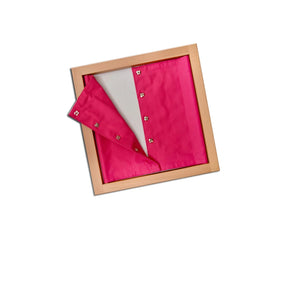
Activities like pouring water from a small jug, transferring lentils with a spoon, or buttoning a shirt, known as Montessori learning materials, directly develop fine motor skills and concentration. When children engage with these practical life exercises, they are not just playing; they are building foundational skills for focus and independence.
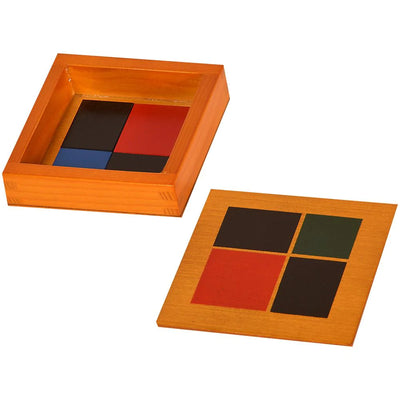
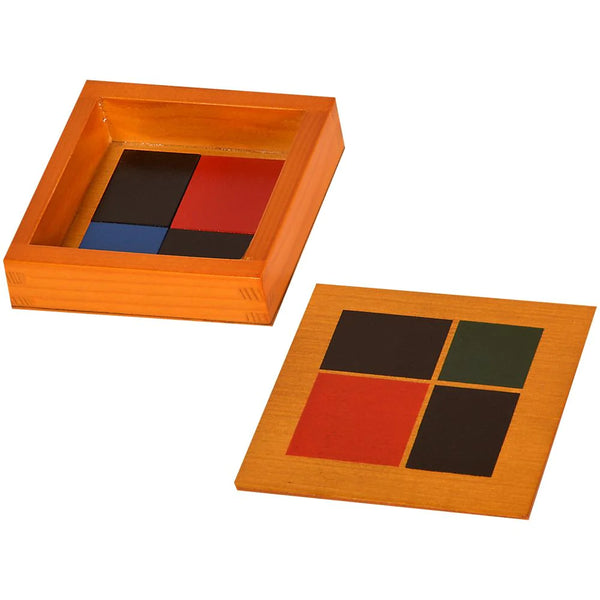
Sensorial materials, such as the Pink Tower or sorting colour tablets, refine a child's senses while demanding focused attention. These materials isolate qualities like dimension, colour, or texture, guiding the child to concentrate on one specific attribute, which is a powerful way to train the mind for sustained effort. Explore our range of Montessori sensorial materials for engaging options.
Encouraging Independent Work and Repetition
Toddlers learn through repetition. If your child is deeply engaged in an activity, even if it seems simple to you, avoid interrupting them. This 'work cycle' is where true concentration is built. Allowing them to repeat tasks at their own pace empowers them and strengthens their ability to focus for longer periods. It's a cornerstone of child development.
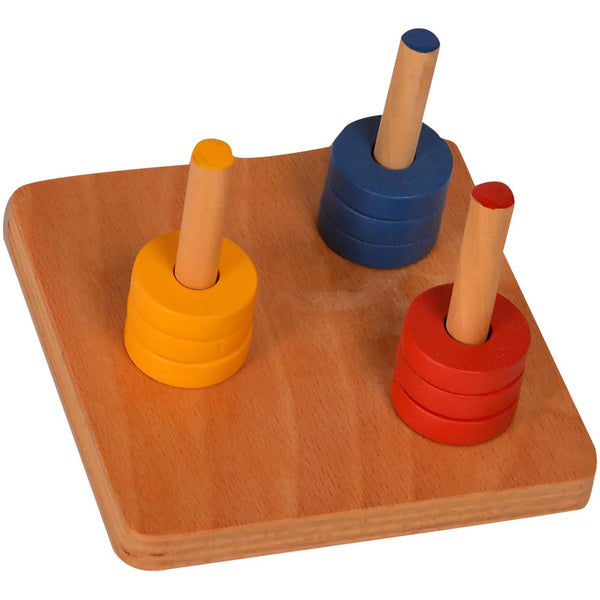
For developing fine motor skills and hand-eye coordination, activities like stringing beads or using a pincer grasp block are invaluable. These activities naturally draw a child into a state of focused attention, as precision is required, and they find immense satisfaction in mastering the task independently. These are excellent educational toys for toddlers.
Practical Tips for Indian Parents
In an Indian household, where family life is often vibrant and social, finding quiet moments for focused play can be tricky. Try setting up a small 'concentration corner' – perhaps near a window, or a quiet spot in the living room – that signals 'work time'. This consistent space helps children transition into a focused mindset, making Montessori at home India more achievable.
Integrate Montessori principles with everyday Indian routines. Involve your toddler in simple chores like helping sort spices (under supervision!), putting away their small chappals, or arranging their play puja items. These real-life activities are inherently meaningful and foster concentration and a sense of belonging, aligning perfectly with Montessori learning activities.
Grandparents, often pillars in Indian joint families, can be wonderful allies. Explain the 'no interruption' rule when the child is deeply engaged. They can offer gentle encouragement and allow the child to complete their chosen task, understanding it's not just 'play' but purposeful learning.
Key Takeaways
- Montessori builds toddler concentration via prepared environments and purposeful activities.
- The child's innate drive for 'work' is central to developing focus and independence.
- Reducing distractions and offering age-appropriate choices enhances sustained attention.
- Practical life activities and sensorial materials are key for developing focus.
- Observation is crucial for parents to understand and support their child's concentration.
FAQs on Toddler Concentration & Montessori
How do I know if my toddler is truly concentrating or just staring?
True Montessori concentration involves a deep, purposeful engagement where the child is fully absorbed and often repeats an activity multiple times with growing satisfaction. Staring might be a passive observation, while concentration shows active problem-solving or skill refinement, often accompanied by a calm and focused demeanor.
What if my toddler still loses interest quickly in Montessori activities?
Quick disinterest might indicate the activity isn't age-appropriate, the environment is too distracting, or too many choices are offered. Try simplifying the environment, offering fewer materials, or observing what genuinely captures their attention to find activities that match their developmental stage and current interests.
Can Montessori methods help with screen time reduction for toddlers?
Absolutely. By providing engaging, hands-on Montessori learning activities that satisfy a child's natural curiosity and need for purposeful work, screen time often naturally reduces. These activities offer sensory feedback and opportunities for mastery that screens cannot replicate, fostering real-world connection and focus.
How important is silence in a Montessori environment for concentration?
While a completely silent environment isn't always realistic in an Indian home, a peaceful and calm atmosphere is highly beneficial. Montessori emphasizes freedom within limits, including freedom from unnecessary interruptions. Reducing background noise and respecting a child's focused 'work cycle' helps deepen their concentration.
At what age can I start implementing Montessori for focus?
Montessori principles can be introduced from birth, adapting to the child's developmental stage. Even infants benefit from a prepared, stimulating yet calm environment. For toddlers (1-3 years), practical life activities and simple sensorial explorations are excellent starting points to cultivate early concentration and independence.
Embracing Montessori principles for building concentration in your toddler is a journey of patience and observation. At SkilloToys.com, we are dedicated to providing high-quality, authentic Montessori educational toys that support your child's natural development and foster a lifelong love for focused learning.