Children Absorb Language Fastest Before Age 3
Did you know that your little one's brain is like a super sponge in the first few years of life, especially when it comes to language? It's true! Scientific studies and the keen observations of Dr. Maria Montessori confirm that children absorb language fastest before age 3. This isn't just a fascinating fact; it's a profound insight into how we, as parents in India, can best support our child's blossoming communication skills from their earliest days.
This remarkable period, often referred to as the 'sensitive period' for language, is when a child's mind is uniquely wired to soak up words, sounds, and grammatical structures effortlessly. It's not about memorising; it's about natural, unconscious absorption through immersion and interaction. Understanding this powerful phase is key to nurturing a child who can express themselves confidently and clearly.
Why These Early Years Are Golden for Language Development
The first three years of life are a time of incredible brain development, with millions of neural connections forming every second. During this 'sensitive period' for language, identified by Dr. Maria Montessori, a child's brain is optimally primed to process linguistic input. This unique receptivity allows them to build a vast vocabulary, grasp complex grammar, and master pronunciation with surprising speed, simply by being exposed to language.
The 'absorbent mind' is a Montessori concept describing a child's ability to unconsciously take in information from their environment. This works because young children are not learning language; they are literally living it, integrating every sound, word, and phrase into their cognitive structure. Parents can capitalise on this by ensuring a rich, consistent, and positive language environment from birth, turning everyday interactions into powerful learning opportunities.
Creating a Language-Rich Environment in Indian Homes
In the vibrant tapestry of Indian homes, where joint families, grandparents, and often multiple languages coexist under one roof, creating a language-rich environment comes naturally. Engage your child in daily conversations, narrate what you're doing, and describe objects around them – whether you're in a bustling market or a quiet corner of your apartment. Every interaction is a chance to expand their world of words.
Singing traditional rhymes, listening to folk stories from Dadi or Nani, and even just discussing the colours of a rangoli during Diwali can significantly boost their language exposure. Remember, it's not just about English; encouraging conversation in regional languages like Hindi, Tamil, Bengali, or Marathi enriches their cognitive abilities and strengthens cultural ties. Look for educational toys for toddlers that inspire conversation and storytelling.
Montessori at Home India: Practical Language Activities
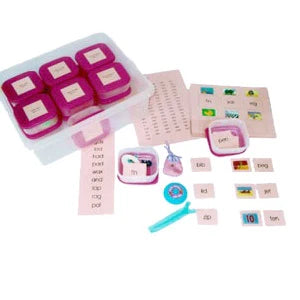
The Montessori approach offers wonderful, hands-on ways to support this natural language acquisition. Start with simple activities like naming objects (using real objects or realistic miniatures) and matching them to pictures. Introduce phonetic sounds long before formal reading, perhaps by singing the sounds of letters or playing 'I Spy' with sounds.
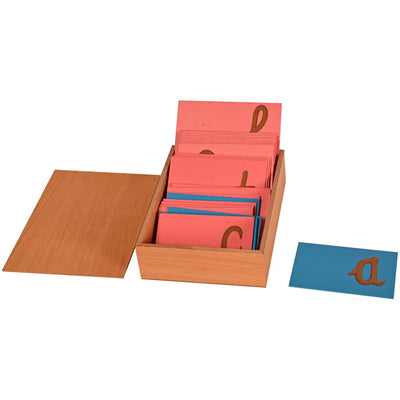
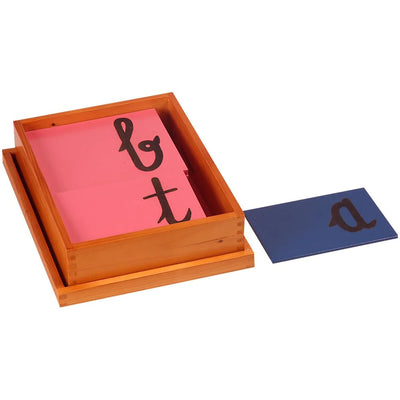
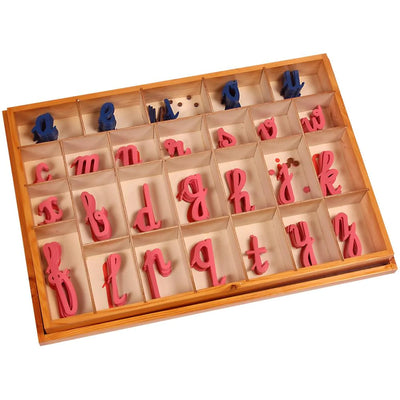
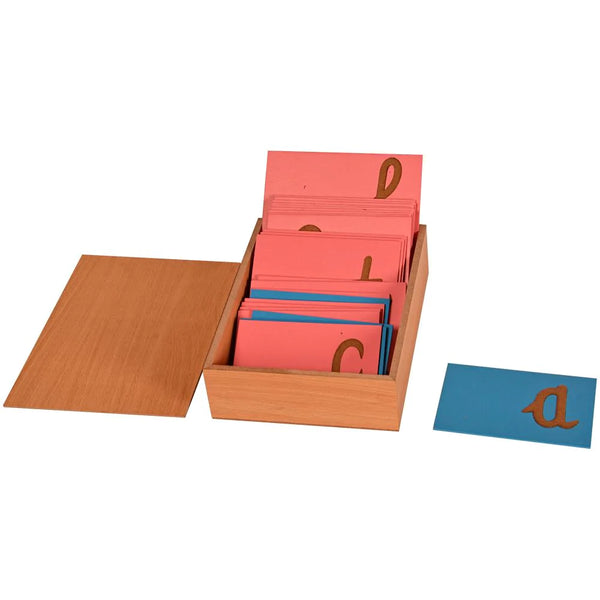
As they grow, Montessori language materials like Sandpaper Letters introduce the feel and sound of letters, while the Movable Alphabet allows children to physically build words, transitioning from spoken language to written expression. These activities provide concrete experiences that resonate deeply with the child's absorbent mind, making learning joyful and intuitive. Many parents practising Montessori at home India find these tools invaluable.
Nurturing Multilingualism from a Young Age
India is a land of diverse languages, and many children grow up hearing two or more languages daily. This early exposure to multilingualism is a tremendous gift, contrary to old myths that it might confuse a child. Research shows that children exposed to multiple languages from a young age often develop stronger problem-solving skills, better cognitive flexibility, and a deeper understanding of cultural nuances.
Simply continue speaking to your child in your native languages, just as you would naturally. There's no need for rigid rules; consistency and natural interaction are key. Celebrate their ability to switch between languages, understanding that this process is part of their unique and powerful developmental journey.
Supporting Your Child's Journey with SkilloToys
The period before age three is indeed a precious window for language development. By understanding and respecting your child's innate capacity to absorb language, and by providing a rich, responsive, and stimulating environment, you are laying a strong foundation for a lifetime of effective communication. At SkilloToys.com, we are dedicated to providing thoughtfully designed Montessori method learning materials that perfectly align with these developmental principles, helping Indian parents nurture their child's incredible potential every step of the way.