Science Explorations for Montessori Homeschoolers (3-6 Years)
Imagine the sparkle in your child's eyes as they discover something new, right there in your home. This innate curiosity is the bedrock of learning, especially when it comes to science. For Montessori homeschoolers aged 3 to 6, science isn't about memorising facts; it's about hands-on exploration and understanding the world around them. In our bustling Indian homes, from the aromas of the kitchen to the vibrant colours of a local market, every moment offers a chance for scientific discovery.
Montessori science is an approach that nurtures a child's natural desire to explore and understand. It provides children with concrete, sensory experiences that help them grasp abstract scientific concepts. This works because children learn best by doing and observing. Parents can facilitate this by offering simple, engaging activities that encourage observation, experimentation, and critical thinking within their daily routines.
Nurturing Curiosity in Indian Homes
Our Indian homes are treasure troves of scientific wonders. Think of the monsoon rains – how water behaves, where it goes, and its impact on plants. Or the simple act of cooking a meal; observing how ingredients change with heat or how dough rises. These are all perfect starting points for early scientific inquiry, fostering a love for learning in a natural, organic way.
Encourage your child to observe the small wonders in your balcony garden or the ants marching across the floor. In a joint family setup, grandparents often share traditional knowledge about plants or weather patterns, which can spark fascinating conversations and observations. This rich environment provides endless opportunities for hands-on Montessori learning activities.
Creating a Discovery Nook
Even in a small apartment, you can create a dedicated space for scientific exploration. A simple low shelf or a corner table can become a 'discovery nook'. Fill it with natural items collected during a walk – leaves, stones, feathers, or even different types of seeds from your kitchen pantry. Add a magnifying glass, some small bowls, and perhaps a pair of child-safe tweezers. This invites independent exploration and quiet observation.
Engaging Science Activities for Little Scientists
Here are some simple, yet profound, science explorations perfect for your little Montessori homeschooler:
Water Play and Exploration
Water is a fantastic medium for scientific discovery. Provide different sized containers, funnels, and spoons. Let your child pour, measure, and observe what floats and sinks. They can experiment with adding a few drops of food colouring to see how colours mix, or even add a little oil to watch how it separates. These activity kits focusing on practical life often include tools perfect for such explorations.
Nature's Wonders Up Close
Take regular nature walks, whether it's in a local park or just around your neighbourhood. Collect interesting leaves, flowers, or small pebbles. Back home, use a magnifying glass to examine them closely. Discuss textures, colours, and patterns. This simple act cultivates a deep appreciation for nature and hones observation skills, vital for future scientific understanding.
Kitchen Chemistry Fun
Your kitchen is a natural laboratory! Simple experiments like mixing baking soda and vinegar to create fizz, or dissolving salt and sugar in water, are incredibly exciting for young children. Let them feel different textures of flour, rice, and lentils. These hands-on experiences introduce basic chemical reactions and properties of matter in a safe and engaging way, connecting science to everyday life.
Sensory Science Journeys
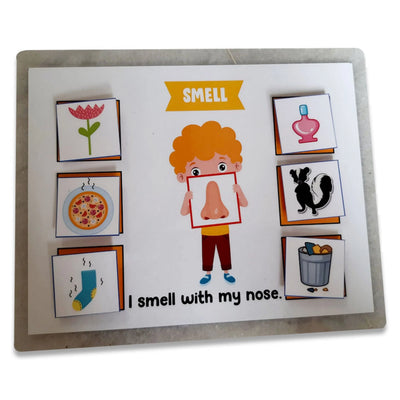
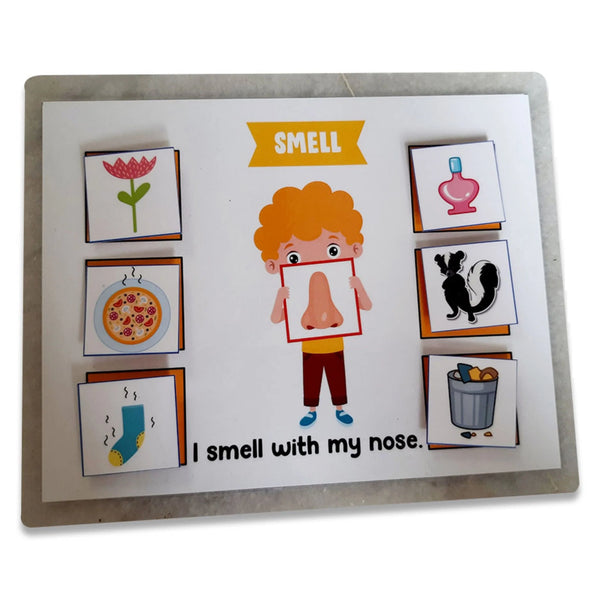
Engage all senses in science. Create a 'smell jar' with different Indian spices like cardamom, cinnamon, or cloves, and have your child guess them blindfolded. Explore different textures with a 'feely box' containing cotton, sand, smooth stones, and rough fabric. These activities sharpen sensory discrimination and build a rich vocabulary for scientific description, fostering a holistic understanding of their environment.
The SkilloToys Difference: Educational Toys for Toddlers
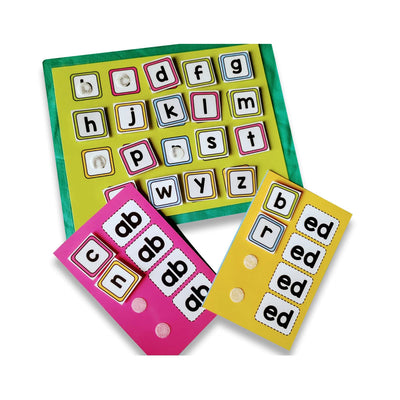
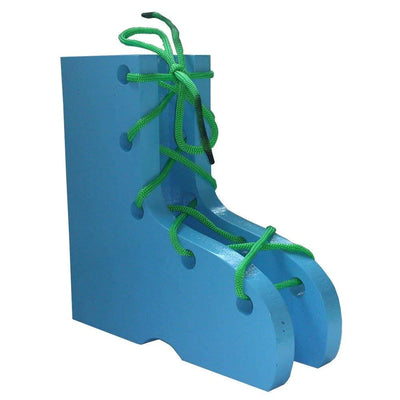
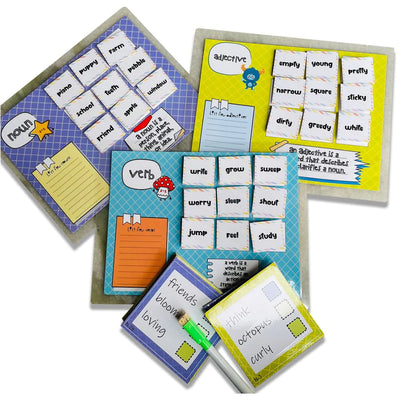
At SkilloToys.com, we understand the importance of fostering a scientific mindset from a young age. Our range of Montessori learning materials and educational toys for toddlers are thoughtfully designed to support these very science explorations. Each product encourages independent discovery, builds concentration, and strengthens fine motor skills – all crucial for healthy child development in India.
From simple sorting activities that teach classification to practical life tools that mimic real-world tasks, our materials are crafted to spark curiosity and empower your little scientist. We believe that true learning happens through engagement and joy.