Crafting Sandpaper Letters at Home: A Montessori DIY Guide
There's a special joy in watching our little ones explore the world around them, especially when it comes to the magic of language. As parents in India, many of us are embracing the Montessori philosophy, seeking simple yet profound ways to support our children's natural development right in our own homes. Today, we're diving into a beloved Montessori classic that you can easily create yourself: your very own sandpaper letters.
This sensory experience is at the heart of how sandpaper letters help build a strong foundation for reading and writing, making early literacy an exciting adventure. Imagine your child tracing the shape of a letter with their tiny fingers, feeling its form before they even know how to write it with a pencil.
What are Montessori Sandpaper Letters and Why Are They So Effective?
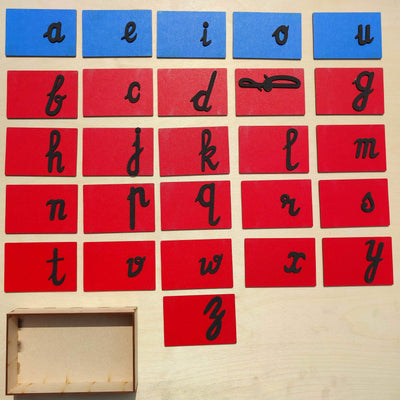
Montessori sandpaper letters are a cornerstone of Montessori language education. They are individual cut-outs of alphabet letters, typically made from sandpaper, mounted on sturdy rectangular cards – consonants usually on pink cards, and vowels on blue. This material works because children trace the rough texture of the letters with their fingertips, associating the tactile sensation with the visual form and phonetic sound, engaging multiple senses simultaneously. Parents can introduce early literacy skills and prepare their child for writing without formal pressure, fostering a love for language.
This unique multi-sensory approach, developed by Dr. Maria Montessori, helps children internalize the shapes and sounds of letters more effectively than purely visual methods. It builds muscle memory for writing and sound recognition for reading, making the abstract concept of letters wonderfully concrete for young minds.
Why DIY Sandpaper Letters for Your Indian Home?
In the vibrant tapestry of Indian parenting, practicality and creativity often go hand-in-hand. Creating your own sandpaper letters is a fantastic example of Montessori at home India in action. It’s incredibly cost-effective, leveraging materials readily available in any local stationery or hardware shop, making Montessori accessible to more families.
Beyond the budget, there's immense satisfaction in crafting something special for your child. It's a personal touch that transforms a learning material into a cherished family project, involving older siblings or or even grandparents. This DIY approach embodies the spirit of jugaad – finding clever, low-cost solutions – which resonates deeply with our Indian way of life.
Gathering Your Supplies: Desi Jugaad Style
You don't need fancy imported goods to create a high-quality Montessori material. Look around your home or make a quick trip to your local stationery shop, and you'll find everything you need:
- Sandpaper: Fine-grit sandpaper (around 100-150 grit) is ideal – you want a noticeable texture but nothing too scratchy. Look for a roll or sheets at a hardware store.
- Cardstock or Chart Paper: Sturdy cardstock in a contrasting colour (pink, blue, or even white/green if that's what you have) for the base cards. Ask for 'art paper' or 'drawing sheets' at the stationery shop.
- Scissors: A good pair of sharp scissors for precise cutting.
- Glue: A strong adhesive like Fevicol or a craft glue stick that will hold the sandpaper firmly.
- Pencil and Ruler: For measuring and marking.
- Printer (Optional): To print letter templates, though you can freehand draw if you're confident!
Remember, the goal is functionality and learning, not perfection. Embrace the handmade charm!
Step-by-Step: Crafting Your Sandpaper Letters
Ready to get creative? Here’s how you can make your own set of Montessori sandpaper letters:
- Prepare Your Cards: Decide on a consistent size for your cards – around 4x6 inches (10x15 cm) is a good starting point. Cut your chosen cardstock to this size. For traditional Montessori, cut 21 cards for consonants (e.g., pink) and 5 cards for vowels (e.g., blue).
- Create Letter Templates: Print clear, sans-serif letter fonts (like Century Gothic or Arial) in a large size (about 3-4 inches high), or carefully draw them onto the back of your sandpaper. Ensure standard Montessori letter formation, like a single continuous stroke for 'a'.
- Cut the Sandpaper Letters: Carefully cut out each letter from the sandpaper, ensuring clean edges. This is the most meticulous step, so a steady hand (or an extra pair from an elder in the family!) helps.
- Glue Letters to Cards: Apply a generous amount of glue to the back of each sandpaper letter. Position and press each letter onto its card, ensuring it's centred and firmly adhered. Smooth out any bubbles.
- Allow to Dry Completely: Place the finished cards under a heavy book or stack of magazines overnight to prevent curling. Once dry, your homemade sandpaper letters are ready for use!
Introducing Sandpaper Letters: Montessori Learning Activities
Once your beautiful new set is ready, the real fun begins! Presenting the letters to your child in a Montessori way involves respect, clarity, and patience. Start with just a few letters that your child might hear frequently, perhaps from their own name.
Hold a card, say for 'm', and model tracing it with two fingers, left to right, top to bottom, while making its phonetic sound (/mmm/). Then invite your child to try. This multi-sensory engagement is crucial for early Montessori learning activities. If you prefer a ready-made option, find excellent professionally crafted sandpaper letters at SkilloToys.com.
Beyond the Alphabet: Extending the Learning
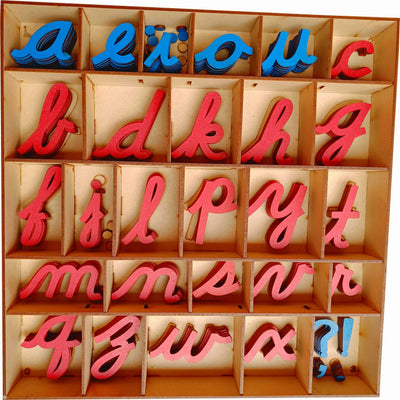
Once your child is comfortable with individual letter sounds and shapes, extend the learning. Pair the sandpaper letters with small objects whose names begin with that sound. You can also introduce building simple words, perhaps with a Montessori movable alphabet, to transition from individual sounds to word formation.
These activities are vital for comprehensive child development India, building literacy, concentration, fine motor skills, and independence. Every step taken with love at home contributes to a child's holistic growth. For a wide range of materials that support holistic child development, explore SkilloToys.com.
Key Takeaways
- DIY sandpaper letters are an accessible and cost-effective Montessori tool for early literacy at home.
- This multi-sensory material helps children learn letter shapes, sounds, and prepare for writing by engaging touch, sight, and hearing.
- Creating them at home fosters creativity, involves family, and leverages local Indian resources.
- Introducing sandpaper letters using the phonetic sound and tracing method is key to their effectiveness.
- This activity supports early literacy, fine motor skills, and prepares children for independent writing.
Frequently Asked Questions About Sandpaper Letters
What age is appropriate to introduce sandpaper letters?
Generally, children around 3 to 4 years old are ready for sandpaper letters, once they show an interest in letters and sounds. Observe your child's readiness rather than strictly following an age guideline; look for signs like curiosity about words or a desire to touch and explore.
Can I use materials other than sandpaper for texture?
Yes, absolutely! While sandpaper is traditional, you can get creative. Consider using felt, velvet, glitter glue, or even fabric paint applied thickly for a raised texture. The key is to provide a clear, distinct tactile difference between the letter and the card.
Should I make uppercase or lowercase sandpaper letters first?
In Montessori, lowercase letters are typically introduced first because they are far more common in everyday reading materials. Once a child has a strong grasp of lowercase letters, uppercase letters can be introduced as a separate set or for specific uses like proper nouns.
How do sandpaper letters help with writing skills?
Tracing the sandpaper letters repeatedly builds muscle memory in the child's fingers and hand, which is crucial for handwriting. It helps them internalize the correct stroke order and direction for forming each letter, preparing them for holding a pencil and writing smoothly.
Where can I find more Montessori language materials in India?
SkilloToys.com is India's leading Montessori educational toys store based in Bengaluru, offering a curated selection of high-quality Montessori language materials, including sandpaper letters, movable alphabets, and other aids to support your child's language development journey.
Creating your own sandpaper letters is a beautiful way to enrich your child's early learning journey at home. We hope this guide inspires you to embrace the DIY spirit and bring the joy of Montessori into your family's daily rhythm. For ready-made Montessori educational toys and resources that support every stage of your child's development, remember to visit SkilloToys.com.