DIY Lacing Activity for Toddler Fine Motor Development
There’s a special joy in watching our little ones discover the world, isn't there? From their first tentative steps to their focused gaze on a new object, every moment is a milestone. As Indian parents, we often look for simple, engaging ways to support their growth, especially when exploring Montessori principles at home. Today, we're diving into a wonderful, budget-friendly option: a **DIY lacing activity for fine motor development** in toddlers. It’s an activity that’s not just fun but profoundly beneficial, using everyday items from your own home.
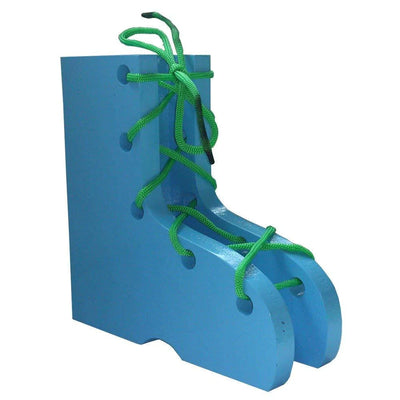
A lacing activity is a practical life skill that involves threading a string, cord, or lace through holes in an object. This works because it directly engages a child’s developing pincer grasp and hand-eye coordination, laying crucial groundwork for future skills like writing, dressing themselves, and handling small objects. Parents can easily create a lacing set using household materials, offering a meaningful, Montessori-aligned experience that fosters concentration and independence.
Crafting Your Own Lacing Activity at Home
One of the beauties of Montessori is its emphasis on accessible learning. You don’t need fancy, expensive materials to create a stimulating environment. Your Indian home is already full of potential! This DIY approach allows you to customise the activity to your child's interest and the resources at hand.
Simple Materials, Big Impact
Consider what’s typically found in an Indian household. An old cardboard box from a recent appliance purchase, or even a sturdy sweet box, can be transformed. Leftover ribbon from a festival gift, old shoelaces, or even strips cut from an unused saree border can become your 'laces'.
- Cardboard: Sturdy cardboard, perhaps from a cereal box or a delivery package.
- Punching Tool: A paper punch, a sharp pencil (used by an adult), or even a small nail and hammer.
- Laces: Old shoelaces, sturdy yarn, thick thread, or colourful ribbons.
- Decorations (Optional): Colourful papers, stickers, or even turmeric/kumkum dots for a touch of Indian flair.
Step-by-Step Guide for Parents
Creating your lacing cards is simpler than you think. You can make various shapes and sizes, adapting them as your child grows.
- Prepare the Cardboard: Cut the cardboard into various shapes – a circle, square, triangle, or even fun shapes like a mango, a butterfly, or a small diya. Make them sturdy enough for repeated use.
- Mark the Holes: Along the edges of your chosen shape, use a pen to mark dots where you want the holes to be. Ensure they are spaced adequately, about 1-2 cm apart, to make threading easier for tiny hands.
- Punch the Holes: Carefully, and always under adult supervision, punch holes through the marked dots. If using a pencil or nail, place the cardboard on a thick mat or a block of wood to protect your surface.
- Prepare the Lace: If using yarn or ribbon, tie a knot at one end and, if possible, stiffen the other end with a bit of tape (like an aglet on a shoelace) to make threading easier.
- Present the Activity: Place the lacing card and the lace in a small tray or on a designated mat. This defines the 'work space' and encourages focus, a core Montessori principle.
Setting Up a Montessori Environment
The beauty of Montessori learning activities is in the thoughtful presentation. Even in a small apartment, you can create a dedicated space. A low table, a small mat on the floor, or a designated shelf can house this activity. Introduce it calmly, showing your child how to hold the lace and push it through one hole at a time. Then, allow them to explore independently, without interruption or excessive praise. This encourages self-correction and builds genuine self-esteem.
The Developmental Benefits for Your Little One
This humble lacing activity packs a powerful punch for holistic child development in India, nurturing several key areas.
- Fine Motor Skill Development: This is the most direct benefit. The act of grasping the lace and guiding it through small holes strengthens the tiny muscles in the fingers and hands, crucial for tasks like holding a pencil, buttoning clothes, or using cutlery. For more ideas to refine these skills, explore our toys and games for fine motor skills.
- Hand-Eye Coordination: Children learn to coordinate what their eyes see with what their hands do, a fundamental skill for almost all daily activities.
- Concentration and Focus: The repetitive nature of lacing encourages sustained attention. As they master the skill, you'll observe longer periods of concentration, a vital pre-academic skill.
- Problem-Solving: Figuring out how to navigate the lace, especially when it gets tangled or misses a hole, develops early problem-solving abilities.
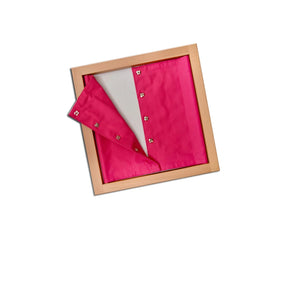
- Practical Life Skills: Lacing directly mimics skills needed for dressing, like tying shoelaces or buttoning shirts, making it an excellent preparation for greater independence. Many of these skills are foundational to our Practical Life Montessori materials.
Montessori at Home: Tips for Indian Parents
Incorporating Montessori learning activities doesn't mean transforming your entire home. It’s about mindful engagement and utilising your unique Indian family context.
- Involve the Family: Grandparents often love engaging with children in hands-on ways. Let them join in, perhaps showing traditional stitching patterns or simply enjoying the quiet focus with your child.
- Cultural Connect: Use themes familiar to an Indian child – a lacing card shaped like a peacock, a mango, or a flower often seen in rangolis. This makes the activity more relatable and engaging.
- Patience is Key: Every child develops at their own pace. Some may pick up lacing quickly, while others might need more time or prefer other activities. Observe, offer, and follow their lead.
- Respect the Child: As Maria Montessori taught, treat the child as a capable individual. Provide the materials, show the demonstration, and then step back. Allow for mistakes and the joy of self-discovery.
Key Takeaways
- A DIY lacing activity is an effective, budget-friendly Montessori-inspired tool for toddler development.
- It significantly enhances fine motor skills, hand-eye coordination, and concentration.
- Materials can be easily found in any Indian home, such as cardboard and old shoelaces.
- Setting up a dedicated, calm space for the activity encourages independence and focus.
- This activity supports practical life skills, preparing children for daily tasks like dressing.
- Incorporate Indian cultural themes and involve family members like grandparents to enrich the experience.
FAQ: Common Questions About Lacing Activities
At what age can toddlers start lacing activities?
Generally, toddlers can begin exploring lacing activities around 2.5 to 3 years of age, once they have developed some basic hand strength and coordination. Observe your child's readiness and introduce simpler versions with larger holes and thicker laces first.
How does lacing support overall child development in India?
Lacing contributes significantly to overall child development by honing fine motor skills, boosting concentration, and improving hand-eye coordination – all crucial for academic and daily life. In an Indian context, it also fosters patience and an appreciation for hands-on work, often seen in traditional crafts.
What if my child isn't interested in lacing?
It's perfectly normal for a child not to be interested immediately. Try presenting the activity again after a few days or weeks, or vary the materials and shapes. Remember, the Montessori approach is about following the child, so offer other engaging activities and observe their preferences.
Are there any ready-made Montessori lacing materials I can explore?
Yes, many high-quality Montessori lacing materials are available that offer varied challenges and themes. For a diverse range of educational toys for toddlers, including structured lacing sets, you can explore our main Montessori collection at SkilloToys.com.
Embracing simple, impactful activities like DIY lacing empowers you to provide rich learning experiences for your child right at home. SkilloToys.com is here to support your journey, offering resources and high-quality Montessori materials designed for Indian children and homes.