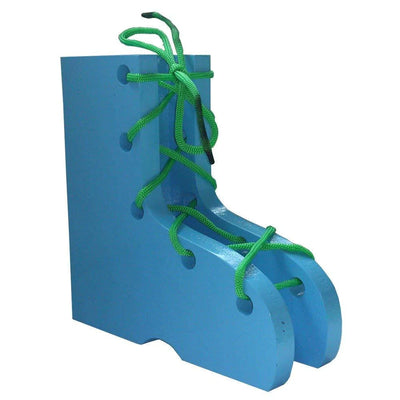
DIY Lacing Activity for Toddler Fine Motor Skills
In the bustling heart of an Indian home, where spaces can be cozy and routines are often shared with family, finding engaging activities for our little ones that support their natural development is a joyful quest. We often think of elaborate setups, but sometimes the most impactful learning happens with the simplest of tools. Today, we're exploring a wonderful example: a DIY lacing activity for fine motor development in toddlers.
Lacing activities are a staple in Montessori environments, and for good reason. They are practical life exercises that help children refine their hand-eye coordination, concentration, and the crucial pincer grip. This activity is where children learn to thread a string or lace through holes, mimicking movements vital for buttoning clothes, zipping up bags, or even holding a pencil later on. This works because it directly strengthens the small muscles in the hand and wrist, while also requiring focus and problem-solving. Parents can easily introduce this at home using materials commonly found in Indian households.
Why Lacing is a Montessori Gem for Toddlers
Maria Montessori observed that children have an innate drive to work with their hands and master their environment. Lacing activities perfectly align with this philosophy. They offer a tangible, repeatable task that allows a child to see immediate results of their effort. This sense of accomplishment fuels their inner motivation and builds self-esteem.
Beyond the visible act of threading, lacing helps develop what Montessori termed 'the hand-mind connection.' As little fingers manipulate the lace and navigate the holes, the brain is actively engaged in planning, sequencing, and adjusting. It's a holistic exercise for their budding intelligence and physical dexterity.
Creating Your Own DIY Lacing Activity at Home
One of the beauties of Montessori at home, especially in India, is the emphasis on using what’s available. You don't need fancy, expensive materials to offer enriching experiences. A simple DIY lacing activity can be crafted with items you might already have.
Simple Materials from Your Indian Home
- Cardboard: Old delivery boxes, cereal boxes, or even stiff chart paper from an art project.
- Laces: Leftover lengths of ribbon, sturdy yarn, thick cotton thread from a tailor's shop, or even strips cut from an old, soft dupatta or saree (ensure they are thick enough to hold and not fray easily).
- Tools: A sturdy punch, a sharp pencil, or even a child-safe awl if you have one for making holes. Always supervise closely when using sharp objects.
Step-by-Step Guide to Your Lacing Board
- Choose Your Base: Cut a piece of cardboard into a shape that’s appealing to your child – a simple square, a circle, or even an outline of an animal like an elephant or a flower.
- Mark the Holes: Use a marker to draw dots evenly spaced along the edges of your chosen shape, about 1-2 cm apart. For younger toddlers, make the holes larger and further apart.
- Punch the Holes: Carefully punch holes at each marked spot. Ensure the holes are large enough for your chosen lace to pass through easily, but not so big that the lace slips out without effort.
- Prepare the Lace: Cut your chosen lace to a manageable length (around 30-40 cm). To make it easier for tiny hands to thread, you can stiffen one end by dipping it in glue and letting it dry, or by wrapping a small piece of tape around it, mimicking an aglet on a shoelace.
Presenting the Activity Montessori Style
Presentation is key in Montessori learning. Place your DIY lacing board and the prepared lace neatly on a small tray or in a basket. When introducing it to your toddler, sit with them and slowly demonstrate how to thread the lace through one hole and pull it through the next. Use minimal words, allowing them to observe. Then, invite them to try. The goal is independent exploration, so let them experiment at their own pace without correcting mistakes immediately. This fosters independence and self-correction.
Beyond the Basic Board: Creative Lacing Ideas
Once your child masters the basic board, you can expand the activity with more engaging options, connecting it to everyday Indian life and further developing their fine motor skills:
- Lacing Nature: On your next walk, collect sturdy leaves or even flat, dried flower petals. Carefully punch holes in them and let your child lace them together to make a nature garland.
- Lacing Beads: Use large, chunky wooden beads (perhaps from an old necklace or mala that's no longer used) or even large pasta shapes (like penne or rigatoni) for a different texture and challenge. This requires a finer motor grip.
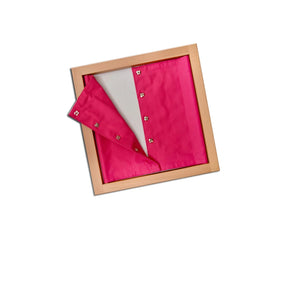
- Practical Life Lacing: Introduce simple tasks like lacing up their own sandals (chappals) or even practicing buttoning large buttons onto a piece of fabric. This directly relates to practical life skills.
The Developmental Benefits for Your Little One
This simple DIY lacing activity offers a wealth of developmental advantages, crucial for Montessori learning activities and overall child development in India.
Building Stronger Fingers and Hands
The repeated actions of grasping, pinching, and pulling strengthen the small muscles in the hands and fingers. This is fundamental for developing a strong pincer grip, which is essential for holding pencils, using scissors, and performing many self-care tasks as they grow.
Enhancing Concentration and Problem-Solving
Lacing demands sustained attention and focus. Children learn to concentrate on the task at hand, developing patience and perseverance. They also engage in subtle problem-solving, figuring out which hole comes next and how to manoeuvre the lace around obstacles.
Fostering Independence and Self-Confidence
Each successful thread-through builds a child's confidence in their own abilities. The self-correction involved, without adult interference, empowers them. They learn that they can master new skills, fostering a sense of accomplishment that is vital for their emotional and intellectual growth.
Key Takeaways for Montessori at Home India
- DIY Lacing is Accessible: Create effective fine motor activities using common household items like cardboard and yarn.
- Montessori Principles Apply: Present the activity with care, demonstrate quietly, and allow for independent exploration and self-correction.
- Holistic Development: Lacing enhances fine motor skills, hand-eye coordination, concentration, and problem-solving.
- Beyond the Board: Extend the activity with nature items, beads, and practical life applications for continued engagement.
- Empowers Children: Fosters independence, patience, and a sense of accomplishment in toddlers.
FAQ: Your Questions About Lacing Activities Answered
What age is suitable for lacing activities?
Toddlers typically enjoy lacing activities from around 18 months to 3 years, sometimes even older. Start with larger holes and thicker laces for younger children and gradually introduce smaller, more intricate options as their fine motor skills develop.
How do lacing activities help fine motor skills?
Lacing directly targets the small muscles in the hands and fingers, improving dexterity, grip strength, and hand-eye coordination. These skills are foundational for tasks like writing, drawing, buttoning clothes, and using cutlery.
What if my toddler puts the lace in their mouth?
Toddlers often explore objects with their mouths. Ensure your laces are clean, non-toxic, and too thick to pose a choking hazard. Always supervise lacing activities, especially with very young children, and redirect them gently if they mouth the materials excessively.
How can I make the activity more challenging for an older toddler?
To increase the challenge, use smaller holes, thinner laces, or introduce more complex lacing patterns like cross-stitching. You can also create shapes that require more turns and precision, or ask them to follow a colour sequence if using multiple laces.
Are store-bought lacing toys better than DIY?
Both store-bought and DIY lacing activities are beneficial. Store-bought options often offer durability and specific themes, while DIY versions are cost-effective, encourage creativity, and allow for customisation using readily available materials from an Indian home. The key is engagement and developmental benefit, not the price tag.
Introducing a simple DIY lacing activity into your home is a beautiful way to embrace Montessori principles and support your child’s growth. At SkilloToys.com, we believe in empowering Indian parents with resources and high-quality educational toys that nurture independent, capable children. Explore our range of Montessori learning materials for more inspiration!