DIY Montessori Continent Box: Geography Learning at Home
In Indian homes, where stories of travels and family roots often span continents, instilling a sense of global awareness from a young age feels incredibly natural. For parents exploring or practicing Montessori at home, bringing the world into your child's hands is a beautiful journey. One of the most engaging ways to do this is by creating a DIY Montessori continent box – a simple yet profound activity that introduces geography in a tactile, memorable way.
Imagine your little one, aged 3-6 years, proudly pointing to the different continents, understanding their shapes and names. This isn't just rote learning; it's an experience built on exploration and discovery, perfectly aligned with Maria Montessori’s philosophy of hands-on education.
What is a Montessori Continent Box and Why Make One?
A Montessori continent box is a collection of small boxes, each representing a continent. Inside each continent box, you place small, representative objects or pictures that signify that particular continent's culture, animals, landmarks, or natural elements. This works because children are concrete learners; they absorb abstract concepts like 'continent' much better when they can see, touch, and manipulate tangible items associated with it. Parents can easily create one using everyday materials, making learning accessible and fun.
The beauty of this material lies in its ability to spark curiosity about our diverse world. It nurtures an early understanding of global citizenship, helping children appreciate differences and commonalities across cultures. For Montessori learning activities, especially in the early years, such a hands-on approach is invaluable for cognitive development.
Gathering Your Supplies: A DIY Adventure for Indian Homes
The best part about a DIY continent box is that you don't need fancy materials. Look around your home – your kitchen, your grandparent’s old trunks, or even local craft shops will offer treasures! Here's what you might need:
- The Box/Boxes: An old shoebox, small decorative wooden boxes, old saree boxes, or even repurposed spice boxes (masala dabba) can work wonderfully. You'll need one main box to hold the smaller continent boxes, or simply use separate small boxes.
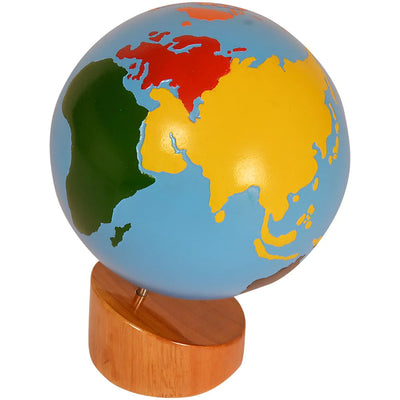
- Continent Outlines: You can print outlines of the continents from the internet or even draw them freehand. Colour them according to the traditional Montessori colours (Asia-yellow, Africa-green, Europe-red, North America-orange, South America-pink, Antarctica-white, Australia-brown).
- Small Objects/Pictures: This is where the real fun begins! Think small toys, miniature souvenirs, printed pictures from magazines or old books.
Ideas for Continent-Specific Items (Indian Context Included):
- Asia (Yellow): A tiny elephant figurine, a picture of a lotus flower, a miniature Taj Mahal, a small silk fabric swatch, a pinch of rice or lentils, a tiny Buddha statue, a picture of a festival like Diwali.
- Africa (Green): A lion or zebra toy, a picture of a pyramid, a small wooden mask, a piece of colourful fabric, a small bead from an old necklace.
- Europe (Red): A tiny Eiffel Tower, a miniature car, a picture of a famous painting, a small piece of lace, a coin from a European country (if available).
- North America (Orange): A miniature bald eagle, a cowboy hat toy, a small corn cob, a picture of the Statue of Liberty.
- South America (Pink): A llama toy, a small colourful poncho fabric, a coffee bean, a picture of the Amazon rainforest.
- Australia (Brown): A kangaroo or koala toy, a boomerang, a picture of the Sydney Opera House.
- Antarctica (White): A small penguin toy, a cotton ball (for snow), a picture of an ice floe.
Remember, these are just suggestions. Use what you have readily available. The goal is to offer a tangible representation, not an exhaustive list. For more curated learning experiences, SkilloToys offers excellent activity kits and Montessori geography materials that complement home setups.
Step-by-Step: Creating Your DIY Continent Box
- Prepare the Boxes: If using a main box, ensure it's large enough for the smaller continent boxes to fit inside. Decorate each small box with the correct continent colour and glue/draw the continent outline on top.
- Gather & Curate Objects: Collect your chosen items for each continent. Involve your child in this treasure hunt – it's a fantastic pre-activity for fine motor skills and observation!
- Place Objects: Carefully place the corresponding objects into each continent box. You can label the boxes with the continent names for older children.
- Assemble: Arrange the individual continent boxes neatly within your main container, ready for exploration.
Introducing the Continent Box to Your Child
When introducing this activity, follow Montessori principles: invite, don't demand. Present the box with enthusiasm, sit with your child, and let them explore. You can start by pointing to one continent, naming it, and showing the objects inside. Allow them to touch, feel, and ask questions. Use the three-period lesson if they show interest in learning the names of the continents.
This hands-on exploration fosters independence and a deeper connection to the material. It's a fantastic way to support educational toys for toddlers and preschoolers, nurturing their natural curiosity about the world around them. Remember, the focus is on the process of discovery, not on memorisation.
Extending the Learning: Beyond the Box
Once your child is familiar with the continent box, you can extend the learning in various ways:
- Matching Game: Print larger pictures of continent animals or landmarks and have your child match them to the correct box.
- Storytelling: Share stories or look at picture books about different countries and cultures. Discuss Indian festivals and where they might have origins or similar celebrations in other parts of the world.
- Sensorial Exploration: For younger children, use different textures within the boxes – a piece of rough sandpaper for a desert, a soft fabric for a rainforest.
- Cooking: Cook simple recipes from different parts of the world, making connections to the continents. Imagine making a simple 'pizza' for Europe or 'fried rice' for Asia!
A DIY Montessori continent box is a powerful tool for Montessori at home India, helping children grasp complex geographical concepts through simple, relatable activities. It’s an investment in their understanding of global diversity and interconnectedness.
Key Takeaways for Parents
- A DIY Montessori continent box is an excellent tool for introducing geography and global awareness to children aged 3-6.
- It fosters concrete, hands-on learning, aligning with Montessori's philosophy of education through manipulation.
- Materials for the continent box are easily found at home, making it an accessible and budget-friendly activity.
- Involve children in the creation process to enhance their engagement and develop fine motor skills.
- Introduction should be child-led, encouraging exploration and curiosity over rote memorisation.
- The activity supports critical developmental milestones and promotes cultural understanding in early childhood.
Frequently Asked Questions
What age is appropriate for a Montessori continent box?
The Montessori continent box is generally introduced to children from 3 to 6 years old. This age group benefits greatly from tactile and visual learning experiences, making geography concepts more accessible and engaging.
How can I make this activity relevant to Indian culture?
Incorporate Indian elements into the Asia box, such as miniature Indian animals, spices, traditional fabric swatches, or pictures of Indian festivals. Discuss connections between Indian culture and other parts of the world, fostering cultural pride and global understanding.
Do I need to buy expensive materials for a continent box?
Absolutely not! The essence of DIY is using readily available, often recycled, materials from home. Old shoeboxes, small toys, magazine cutouts, and even kitchen items can be repurposed creatively to make an effective and engaging continent box.
How often should we use the continent box?
Follow your child's interest. Offer the continent box as an inviting activity, but don't force its use. Some children might engage daily for a period, while others might return to it periodically. The goal is joyful discovery, not a fixed schedule.
Creating a DIY Montessori continent box is more than just a craft project; it’s an invitation to explore our amazing world from the comfort of your home. At SkilloToys.com, we believe in empowering Indian parents with resources for enriching child development India. Explore our wide range of Montessori method learning materials to support your child's unique learning journey.