Following the Child: Indian Parenting Insights
As Indian parents, we often find ourselves navigating a beautiful blend of tradition and modernity. Amidst this vibrant tapestry, the Montessori philosophy offers a gentle, insightful path for nurturing our little ones. A core tenet of this approach, often discussed, is 'following the child what it actually means' – but what does this truly entail in our everyday Indian parenting context?
Put simply, 'following the child' is a profound act of respectful observation. It means tuning into your child's unique developmental rhythms, their emerging interests, and their innate desire to learn and grow independently. This approach is not about letting children do whatever they want; instead, it's about providing a carefully prepared environment and the freedom within limits to explore it, guiding them with love and respect as they uncover their own capabilities.
The Heart of 'Following the Child' in Our Homes
At its core, 'following the child' encourages us to step back and watch. It's about seeing our children as capable individuals from birth, not just tiny humans to be directed. In the bustling energy of an Indian home, this might mean pausing before intervening, observing how your toddler attempts to put on their slippers, or how your preschooler tries to help set the plates for dinner.
This deep observation helps us understand their 'sensitive periods' – those intense, temporary fascinations with specific skills or concepts. By recognising these windows, we can offer the right support and materials at the right time, fostering genuine engagement. It's a key principle for successful Montessori at home India, making learning a joyful discovery.
Creating a Prepared Environment, Indian Style
A 'prepared environment' is where the magic of following the child truly unfolds. This doesn't require a large dedicated room; even in our cosy Indian apartments, a small, accessible space can be transformative. Think low shelves where your child can easily reach their Montessori materials for toddlers, a small mat for their work, or a child-sized broom for helping.
Integrate elements from our culture: a small kora grass mat for 'work', natural wooden toys that echo our heritage, or baskets for sorting local fruits and vegetables. The goal is an orderly, beautiful, and child-friendly space that invites exploration and independent activity, reflecting our Indian values of order and beauty.
Observation: Your Superpower as an Indian Parent
Observation is the cornerstone of following the child. It's a skill that develops with practice – learning to watch without judgment, to understand the 'why' behind their actions, and to resist the urge to immediately 'fix' things for them. This practice helps you understand your child's unique learning style and personality, crucial for healthy child development India.
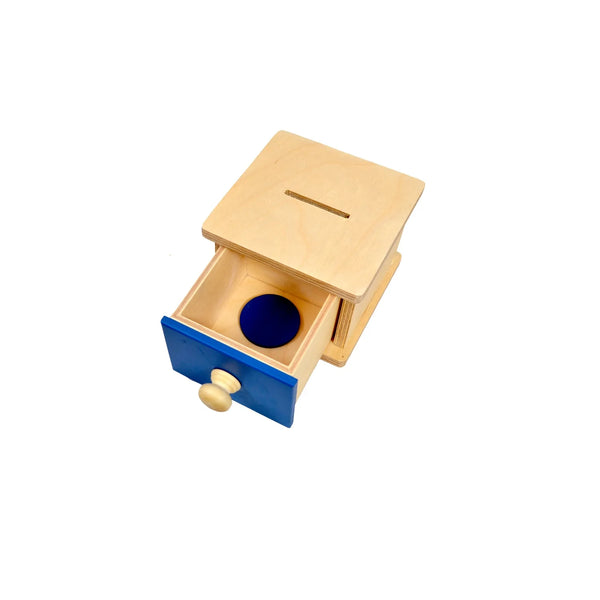
For instance, noticing your child's persistent attempts to open a container, even if they struggle, tells you they're developing problem-solving skills and fine motor control. Our role is to provide the environment and the encouragement, not necessarily the solution, allowing them to experience the satisfaction of self-discovery.
Nurturing Independence with Everyday Chores
In Indian homes, children often grow up seeing adults engaged in a myriad of daily tasks, from cooking to cleaning. This presents a natural opportunity for practical life activities. Involving your child in age-appropriate chores – helping to dust a low table, arranging their own shoes, or helping with Diwali preparations – instils a sense of responsibility and belonging.
These activities are not just about helping out; they are fundamental Montessori learning activities that build concentration, coordination, and a profound sense of self-worth. They learn that their contributions are valued, a beautiful lesson that resonates deeply within our family-oriented culture.
Finding the Balance: Freedom Within Limits
While 'following the child' advocates for freedom, it's always freedom within carefully established limits. These limits are set for safety, respect for others, and the proper care of the environment. For example, a child is free to choose any activity from the shelf, but they must return it before taking another.
This balance teaches self-discipline and respect – for themselves, for others (including grandparents in a joint family setting), and for their surroundings. It's about empowering choice while guiding them towards responsible behaviour, a concept universally understood and appreciated in Indian households.
Honouring the Child's Pace and Interests
In our competitive world, there's often pressure to rush milestones. 'Following the child' invites us to step away from this race and trust in our child's innate timetable. If a child is deeply engrossed in stacking blocks, allow them that uninterrupted time. This sustained focus is building concentration, a crucial skill for future learning.
Offer a variety of rich experiences and educational toys for toddlers that cater to diverse interests, from storytelling to exploring nature in the park. By honouring their individual pace and passions, we foster a lifelong love for learning, a trait that will serve them well in any path they choose.
Embracing 'following the child' in your Indian home is a journey of discovery for both you and your little one. It's about cultivating a relationship built on trust, respect, and a deep understanding of their unique potential. SkilloToys.com is here to support you on this beautiful path, offering thoughtfully curated Montessori-aligned resources that blend seamlessly into your family life.