Grandparents Supporting Montessori Parenting at Home in India
In the vibrant tapestry of Indian family life, grandparents hold a cherished place, often living alongside their children and grandchildren, offering an invaluable blend of love, wisdom, and cultural heritage. When parents embrace Montessori at home, the question often arises: how can these beloved elders be part of this unique journey? The good news is, grandparents can support Montessori parenting at home in India in profoundly beautiful and effective ways, enriching a child's environment with both modern educational philosophy and timeless tradition.
Montessori at home is a parenting approach centred on nurturing a child's natural curiosity and independence from birth to six years. It involves creating a prepared environment where children can freely explore and learn at their own pace, fostering concentration, self-discipline, and a love for learning. This approach works because it respects the child as an individual, providing them with the tools and freedom to develop self-sufficiency and problem-solving skills. Parents can implement this by offering age-appropriate activities and encouraging child-led exploration.
Bridging Generations: The Montessori Way
Integrating Montessori principles into an Indian joint family or even a nuclear family with frequent grandparent visits might seem like navigating two different worlds. Grandparents, with their own experiences of raising children, sometimes find the concept of 'child-led' learning or 'prepared environments' new. The key is gentle communication and showing them how Montessori aligns with many of the values they already hold dear.
Understanding the Philosophy Together
The core of Montessori, championed by Dr. Maria Montessori, is about respecting the child and fostering their independence. These are values deeply embedded in Indian culture – teaching children to be self-reliant, respectful, and contribute to the family. Grandparents can be introduced to these ideas through simple examples: how letting a child pour their own water (even with spills) builds confidence, or how tidying up their own materials teaches responsibility. Emphasise that it’s not about rigid rules, but about nurturing the child’s innate desire to learn and do.
Practical Ways Grandparents Can Help
Far from being just observers, grandparents can become active participants and even leaders in supporting a Montessori home environment. Their lived experience and patience are immense assets.
Creating a Child-Centred Space
In many Indian homes, especially in smaller apartments in cities like Bengaluru, space can be a premium. Grandparents can help make existing spaces more child-friendly. This could mean helping to arrange low shelves where age-appropriate Montessori materials are accessible, or ensuring a small, child-sized table is available. Their wisdom can also guide the use of local, natural materials for crafts or sensory play, making the environment rich and stimulating without needing expensive imports.
Encouraging Independence and Practical Life Skills
This is where grandparents truly shine. Many traditional Indian practices naturally align with Montessori's practical life philosophy. Grandmothers, for instance, are experts at involving children in daily chores – sorting lentils for dinner, helping water plants on the balcony, or even rolling small portions of dough for chapati. These activities, which are integral to Montessori practical life materials, offer authentic learning experiences. Grandfathers can involve children in simple repair tasks, gardening, or preparing for festivals, fostering a strong sense of contribution and capability.
Fostering Language and Cultural Richness
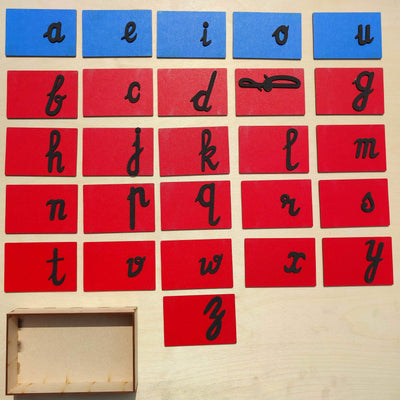
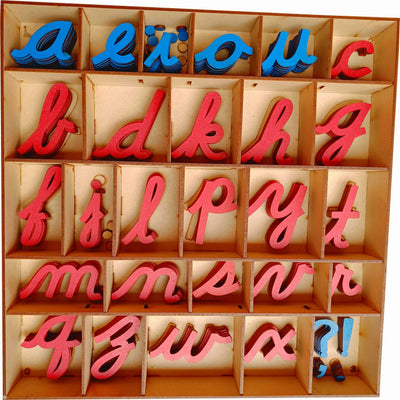
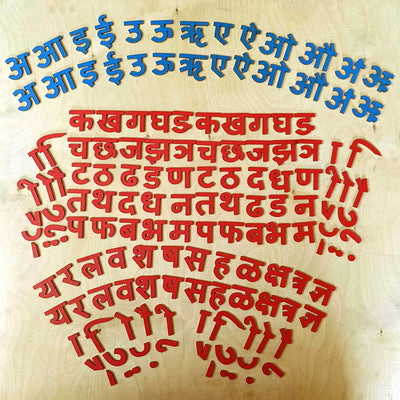
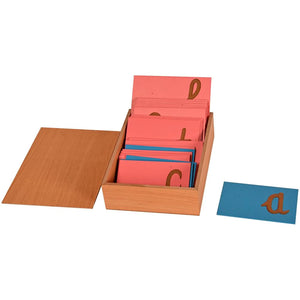
Grandparents are the custodians of stories, songs, and traditions. They can narrate tales from the Mahabharata or Ramayana, sing lullabies in regional languages, or teach children about Indian festivals. This rich oral tradition perfectly complements Montessori's emphasis on language development. While children might be working with sandpaper letters or a movable alphabet to learn phonetics, their grandparents are building a vital foundation of vocabulary, narrative structure, and cultural identity.
Observing and Respecting the Child's Pace
One of the beautiful aspects of Montessori is 'following the child.' Grandparents, with their often unhurried pace, can be excellent observers. They can learn to watch a child deeply engrossed in an activity without interrupting, allowing for sustained concentration. Gently explaining that this 'deep work' is crucial for child development in India helps them understand why not to always 'help' or 'correct' immediately, but to allow the child to discover solutions independently.
Engaging with Educational Toys and Activities
Grandparents often love to play, and this is an excellent avenue for support. Introduce them to the Montessori educational toys for toddlers you have at home. Show them how a child uses a specific puzzle or a sorting activity. They can engage children in simple Montessori learning activities like stacking blocks, matching colours, or exploring textures found around the house. Their presence and focused attention during these activities are priceless for a child's development.
Key Takeaways
- Grandparents are natural allies in Montessori parenting, bringing cultural richness and patience.
- Open communication helps grandparents understand the 'why' behind Montessori principles like independence and prepared environments.
- They can actively help create child-centred spaces, even in small Indian homes.
- Traditional Indian chores and stories offer authentic practical life and language development opportunities.
- Encourage grandparents to observe the child's independent work rather than constantly intervening.
- Involve them in playing with and demonstrating how to use Montessori learning materials.
Frequently Asked Questions
Can Montessori principles really work in a traditional Indian joint family setting?
Absolutely. Many Montessori principles, such as respect for the child, fostering independence, and practical life skills, align beautifully with traditional Indian values. It requires open communication and finding common ground to integrate these approaches effectively.
What if my grandparents are used to more direct teaching or constant help?
It's natural for grandparents to want to help. Gently explain that in Montessori, we aim to empower the child to do things themselves. Show them how allowing the child to struggle a little before succeeding builds confidence and resilience, and how observation is a powerful form of support.
How can I explain the concept of 'prepared environment' to my parents?
Explain it simply as creating a space where the child can easily access their own things and do activities independently. You can use examples like child-height shelves for toys or a small pitcher for pouring water, which make it easier for the child to participate in daily life.
Are Montessori toys safe and relevant for children in India?
Yes, Montessori toys are designed to be safe, durable, and promote specific developmental skills. They are highly relevant globally, focusing on universal principles of child development. Many Indian families use them to provide high-quality educational experiences at home.
Embracing Montessori at home with the support of grandparents creates a uniquely enriching environment for children. Their wisdom, combined with the Montessori philosophy, offers a powerful foundation for a child's holistic development. For high-quality, authentic Montessori materials that grandparents can easily incorporate into playtime, explore our collection at SkilloToys.com.