Handling Mixed Age Learning at Home, Montessori Way
In many bustling Indian homes, whether it's a nuclear family in a city apartment or a joint family gathering in an ancestral house, you'll often find children of various ages playing and learning together. The vibrant energy of a toddler exploring while an older sibling tries to read can be both beautiful and, at times, a little overwhelming! But what if we told you that this very dynamic, this beautiful chaos, is an incredible opportunity for rich, organic learning? Embracing mixed age learning at home, the Montessori way, transforms these daily interactions into powerful developmental experiences for every child.
So, what exactly is mixed-age learning in a Montessori context? It is an educational approach where children of different ages, typically spanning a three-year cycle (like 0-3 or 3-6), learn together in the same environment. This works because it mirrors real-life family dynamics and fosters a natural flow of mentorship and inspiration between children. Parents can intentionally design their home environment to facilitate this beautiful exchange, encouraging younger children to observe and emulate, and older children to consolidate their knowledge by teaching and assisting.
Why Mixed-Age Learning Flourishes in Indian Homes
The concept of children learning from and with each other across age groups is deeply ingrained in Indian culture. From joint families where cousins grow up like siblings, to festivals where older children guide younger ones through rituals, the natural flow of intergenerational learning is a given. Maria Montessori's philosophy simply formalises this innate wisdom. For Montessori at home India, this approach leverages our cultural strengths, turning everyday interactions into profound lessons in empathy, respect, and community.
Creating a Prepared Environment for All Ages
The cornerstone of Montessori is the prepared environment. For mixed-age learning, this means setting up your home space to cater to varying developmental needs simultaneously. Think low shelves accessible to toddlers and preschoolers alike, with materials clearly organised. Ensure there's a mix of activities: some challenging for older children, some engaging for younger ones, and some that can be done together.
Consider dedicating specific zones. A 'quiet corner' with books and puzzles might appeal to an older child, while a 'practical life area' with pouring activities or a small broom might engage a younger one. The beauty lies in the freedom to choose what resonates with them at that moment. Explore a wide range of Montessori learning activities suitable for various stages, from simple wooden stackers for infants to complex geometric puzzles for preschoolers.
The Role of Observation and Gentle Guidance
As parents, our role shifts from direct instruction to careful observation. Watch how your older child interacts with a younger sibling struggling with a task. Do they offer help unsolicited? Do they model the correct way? These moments are priceless. For the younger child, watching an older sibling master a skill provides immense motivation. Gentle guidance means stepping in only when truly necessary, allowing children to figure things out, even if it means making mistakes.
Practical Life Activities: A Unifying Force
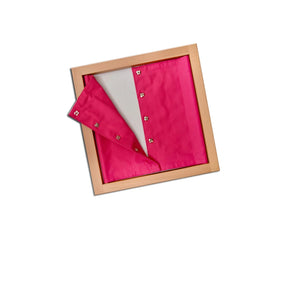
Practical life activities are particularly powerful for mixed-age groups. Imagine an older child helping a younger one peel a banana, or both siblings working together to water plants on the balcony. These real-world tasks not only build essential life skills but also foster cooperation and a sense of shared responsibility. Simple chores like setting the dining table for the family's dinner or sorting clothes can become engaging group activities. SkilloToys offers an excellent range of practical life Montessori materials that are perfectly sized and designed for small hands, encouraging independence and collaboration.
From Sensorial Exploration to Cognitive Development
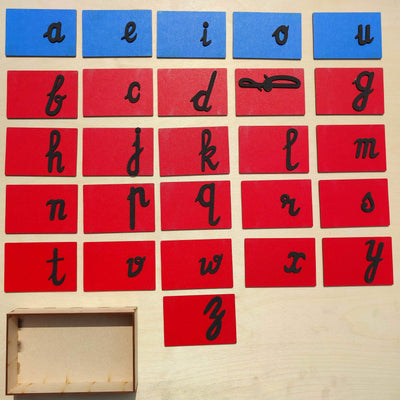
Montessori materials are designed with intrinsic control of error, meaning children can self-correct, which is ideal for mixed-age settings. A younger child might be fascinated by the colours of the Pink Tower, while an older child might be focused on understanding the precise order and concepts of size. Similarly, a toddler might explore the textures of sandpaper letters, while a preschooler uses them to form words. These open-ended materials allow each child to engage at their own developmental level, fostering incredible child development India wide.
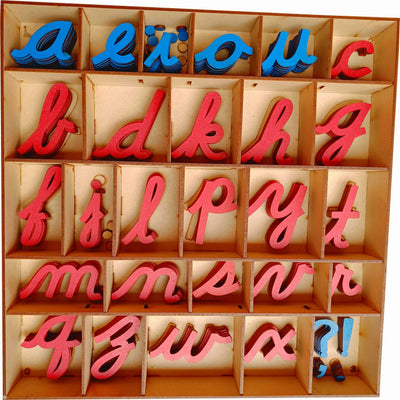
Think about how the Movable Alphabet can be used. A 3-year-old might simply identify letter sounds, while a 5-year-old builds complex words or even short sentences. Even simple educational toys for toddlers, like nesting dolls or shape sorters, can be revisited by older children who might now be interested in patterns, counting, or even designing their own games with them.
Fostering Mentorship and Leadership
One of the most beautiful aspects of mixed-age learning is the natural mentorship that develops. Older children gain confidence and consolidate their learning by teaching or demonstrating to younger ones. This isn't about doing the work for them, but rather about showing the way, patiently explaining, and encouraging. Younger children, in turn, feel supported and inspired by their older peers, often reaching for more challenging activities sooner than they might in a single-age setting. This dynamic builds a strong foundation for social skills and empathy, crucial for navigating family life and the wider world.
Key Takeaways for Mixed-Age Montessori at Home
- Embrace Natural Dynamics: Mixed-age learning mirrors real-life family structures and cultural norms in India, fostering natural mentorship.
- Prepare the Environment: Create a thoughtfully organised home space with materials accessible to all ages (0-6 years), allowing freedom of choice.
- Observe, Don't Intervene: Allow children to learn from each other and self-correct, stepping in only when truly necessary.
- Utilise Practical Life: Engage children in shared household tasks to build independence, cooperation, and a sense of community.
- Leverage Montessori Materials: Use open-ended materials like the Pink Tower or Movable Alphabet, which cater to different developmental levels simultaneously.
- Foster Mentorship: Encourage older children to guide younger ones, strengthening their own understanding and developing leadership skills.
Frequently Asked Questions About Mixed-Age Montessori Learning
How do I manage different interest levels with mixed ages?
Offer a diverse range of activities that appeal to various developmental stages. The beauty of Montessori is that children are drawn to what meets their inner need, so ensure choices are available for both the 0-3 and 3-6 age groups, allowing them to follow their individual interests.
What if my older child always wants to do the younger child's activities?
This is natural! Often, an older child might revisit simpler materials to reinforce understanding or simply for comfort. Gently encourage them to show their younger sibling how it's done, or suggest a more complex variation of the same activity, fostering leadership rather than discouragement.
How can I prevent conflicts or competition between siblings?
Establish clear ground rules for sharing and respecting materials. Emphasise that each child's work is important and that helping each other strengthens the family bond. Providing enough materials or creating duplicates of popular items can also reduce friction, promoting collaboration over competition.
Are specific Montessori materials better for mixed-age groups?
Many classic Montessori materials are excellent. Sensorial materials like the Broad Stair or Knobbed Cylinders, practical life activities, and language materials like the Sandpaper Letters or Movable Alphabet allow children of different ages to engage at their own level. Materials that have an inherent "control of error" are particularly useful as they allow for independent learning across age groups.
Embracing mixed-age learning at home the Montessori way is a journey of discovery for both children and parents. It’s a beautiful, natural approach that cultivates a harmonious and enriching environment where every child thrives. For authentic, high-quality Montessori materials to support your homeschooling journey, explore the curated collection at SkilloToys.com.