Involving Toddlers in Cooking Safely, The Montessori Way
The aroma of spices, the rhythmic chopping, the bubbling kadhai – the Indian kitchen is often the heart of the home, bustling with activity. It's a place of warmth, nourishment, and connection. As parents in India increasingly explore Montessori at home, many wonder how to safely include their curious toddlers in this vibrant space. The good news is, involving toddlers in cooking safely the Montessori way is not just possible, but incredibly enriching for their development.
At its core, the Montessori approach to cooking with toddlers is about fostering independence, concentration, and practical life skills through purposeful activity. This works because children inherently desire to participate in real-life tasks. Parents can offer carefully prepared environments and child-sized tools, allowing their little ones to contribute meaningfully to meal preparation.
Beyond the obvious skill development, inviting your toddler into the kitchen cultivates a sense of belonging and competence. It's an invaluable opportunity for child development in India, as children learn about food origins, healthy eating habits, and cultural traditions directly from their family members – perhaps even alongside their grandparents in a joint family setup.
Preparing Your Montessori Kitchen Space for Little Chefs
Safety is paramount when welcoming little ones into any kitchen. Start by identifying potential hazards: sharp objects, hot surfaces, electrical outlets. Ensure these are out of reach or properly child-proofed. Create a designated "toddler zone" that is safe and accessible.
Child-Sized Tools & an Accessible Environment
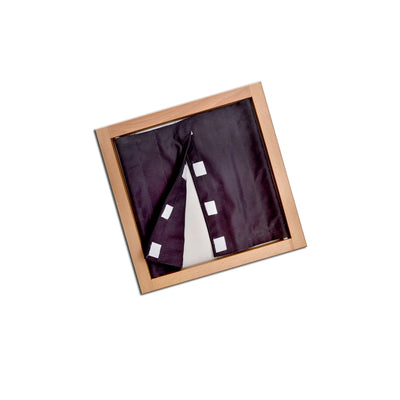
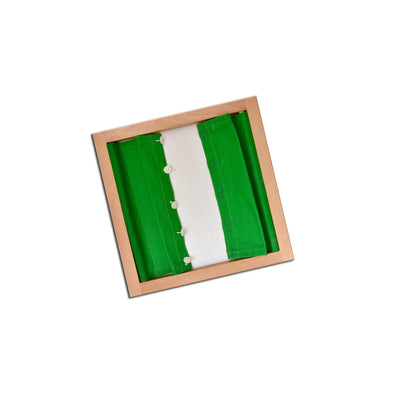
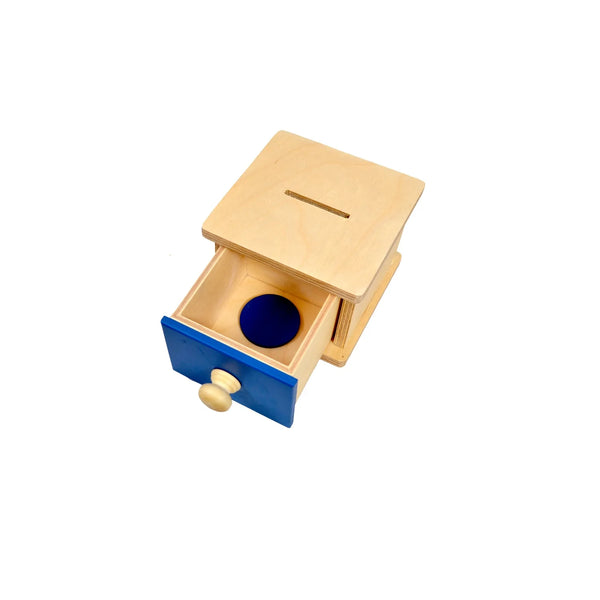
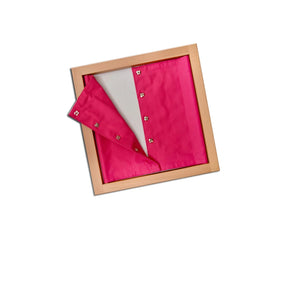
One of the cornerstones of Montessori learning activities is providing appropriate tools. For kitchen tasks, this means child-sized utensils that are functional and safe. Think blunt knives for chopping soft fruit, small graters, miniature rolling pins, and pitchers that are easy for tiny hands to manage. Explore a range of Montessori practical life materials that encourage independence.
An accessible environment might include a sturdy learning tower or a safe step stool, allowing your toddler to reach the counter safely. Keep frequently used, child-safe ingredients and tools on lower shelves or in designated drawers where your child can retrieve and put them away independently. This fosters a sense of ownership and responsibility.
Setting the Stage for Independence
Before starting, clearly demonstrate each step of a task slowly and without words, allowing your child to observe. Remember, toddlers learn by watching and doing. Offer choices where appropriate – "Would you like to wash the carrots or the potatoes today?" – to empower them and build confidence in their decision-making.
Age-Appropriate Tasks for Little Hands
Introducing tasks incrementally is key to success. Start with simple activities and gradually increase complexity as your child's fine motor skills and concentration develop. Remember that the process, not the perfect outcome, is the most valuable part of Montessori learning.
For Early Toddlers (1-2 Years): Simple Explorations
Even the youngest toddlers can participate. Activities like washing vegetables in a bowl of water, tearing lettuce leaves for a salad, or sorting different types of dal (lentils) into bowls are wonderful sensory experiences. They develop hand-eye coordination and fine motor skills.
Toddlers in this age group thrive on repetition and simple, concrete actions. Peeling bananas (starting the peel for them), mashing soft cooked potatoes, or stirring ingredients in a bowl are all fantastic ways to involve them, turning everyday kitchen routines into engaging educational toys for toddlers activities.
For Older Toddlers (2-3.5 Years): Growing Independence
As your child approaches three years, they can handle more complex tasks. Pouring liquids from a small pitcher, spreading butter or jam on toast, using a cookie cutter for dough, or even using a child-safe knife to slice soft fruits like strawberries or bananas are excellent Montessori learning activities.
They can also help set the table, put away clean utensils, or even knead dough for chapatis or puris, connecting them deeply with Indian culinary traditions. These activities build concentration, precision, and a sense of contribution to the family meal.
Beyond the Kitchen: Related Montessori Learning
Kitchen work naturally connects to other areas of Montessori. Discussing where food comes from relates to botany, measuring ingredients introduces early mathematical concepts, and naming ingredients expands language skills. Even the act of cleaning up teaches responsibility and sequencing, reinforcing the holistic approach of the Montessori method learning materials.
Nurturing Patience and Process, The Indian Way
The Montessori kitchen is a place for discovery, not perfection. Embrace the spills, the slower pace, and the inevitable mess. These are all part of the learning process.
Embracing the Mess & Learning Curve
In our often busy Indian households, it can be tempting to rush or do things ourselves. However, allowing your child to try, even if it means a little extra mess, is crucial for their self-esteem and skill development. Have cleaning cloths handy and involve them in wiping up spills – another practical life skill!
Focus on the joy of participation rather than the speed or flawlessness of the task. Your encouragement and patience are the most powerful tools in this journey.
Family Bonding & Cultural Connection
Cooking together is more than just making food; it's about creating memories, sharing stories, and passing down traditions. Imagine your little one helping prepare laddoos for Diwali or modaks for Ganesh Chaturthi, learning recipes from Dadi or Nani. These moments strengthen family bonds and connect children to their heritage. This truly embodies child development in India, rooted in cultural experiences.
Involving toddlers in cooking safely the Montessori way transforms the kitchen into a vibrant classroom. It nurtures independence, practical skills, and a love for healthy food, all while strengthening family ties. SkilloToys.com is committed to providing resources and tools to support your family's Montessori journey, helping you create enriching experiences right in your home.