Maria Montessori: Italy's First Female Doctor
Ever paused to think about the brilliant mind behind the Montessori method, so loved in homes across India and the world? Well, here’s a fascinating nugget: Did you know Maria Montessori was the first female doctor in Italy? Yes, the very woman who championed child-centred learning first broke barriers in the medical field, a truly remarkable feat for her time.
Maria Montessori's journey from medicine to education profoundly shaped her understanding of child development. The Montessori method is an educational approach that emphasizes self-directed activity, hands-on learning, and collaborative play, rooted in scientific observation of children. It works by respecting each child's innate desire to learn and grow, providing a carefully prepared environment where they can explore at their own pace. Parents can integrate this by observing their child's interests and offering appropriate, engaging materials.
A Doctor's Perspective on Child Development
Maria Montessori’s medical training gave her a unique lens through which to view children. Instead of seeing them merely as small adults, she observed them with the precision of a scientist, focusing on their physical and psychological needs. This perspective led her to understand that children aren't just learning facts; they are actively constructing themselves.
She recognised distinct developmental stages, much like a doctor understands different phases of growth, and believed in fostering a child's natural abilities rather than imposing knowledge. This scientific foundation is what makes Montessori at home in India so effective for many families, offering a structured yet flexible way to support a child’s growth from an early age.
From Clinics to Classrooms: The Birth of a Method
After working with children with special needs, Maria Montessori became convinced that traditional educational methods were failing many children. Her medical background, especially in psychiatry and anthropology, led her to develop educational materials and environments designed to stimulate intrinsic learning. She believed in observation, experimentation, and allowing children freedom within limits – principles directly influenced by her scientific approach.
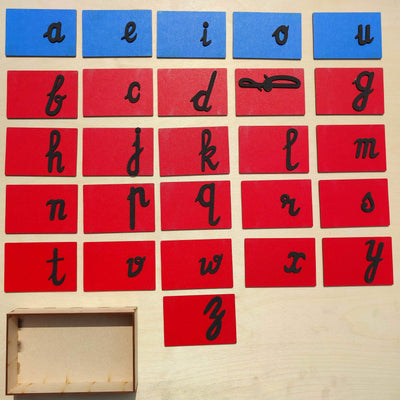
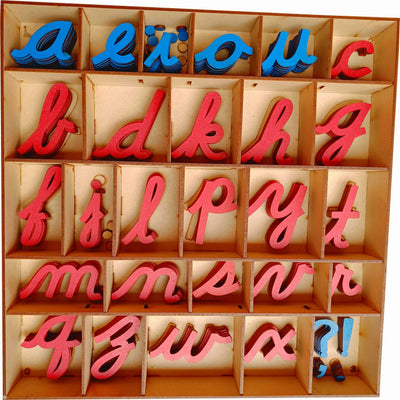
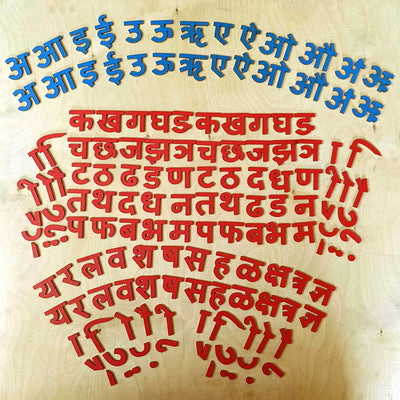
This focus on the individual child’s pace and interests is why Montessori learning activities are so engaging. Whether it’s carefully designed practical life tools or sensorial materials, each item encourages exploration and mastery. You can explore a wide range of these expertly crafted materials, including Montessori language materials for early literacy, right here.
Montessori at Home: Lessons from a Pioneer
Bringing Montessori principles into Indian homes, whether in a bustling joint family or a cosy apartment, means embracing a philosophy of respect and observation. Just as a doctor patiently observes symptoms, parents can observe their child's 'sensitive periods' – times when they are particularly receptive to learning certain skills, like language or order.
For toddlers aged 0-6 years, this might mean setting up a dedicated 'prepared environment' where educational toys for toddlers are easily accessible. Think low shelves, child-sized furniture, and engaging activities that promote independence, much like the meticulously designed Montessori method learning materials found on SkilloToys.com.
The Power of Observation, Inspired by Science
One of the most profound takeaways from Maria Montessori’s medical journey for parents is the importance of observation. Instead of constantly directing, we can step back and watch what truly captures our child's attention. Is it stacking blocks, sorting lentils, or tracing letters? These observations guide us in providing appropriate challenges and support.
Imagine grandparents helping their little ones with a movable alphabet set, gently guiding rather than correcting, fostering a love for letters that lasts. This respectful, observant approach, mirroring a doctor’s diagnostic process, empowers the child and strengthens family bonds during important child development in India.
Practical Applications for Indian Parents
How can parents apply Maria Montessori's medical insights today? Start by decluttering and creating an orderly space. Just as a hospital operating theatre is precise, a child's learning environment benefits from simplicity and organisation. This helps children focus and develop a sense of order.
Incorporate practical life activities, such as helping with daily chores – sorting laundry, watering plants, or helping prepare festive snacks. These aren't just chores; they're essential Montessori learning activities that build concentration, coordination, and a sense of contribution within the family.
Key Takeaways
- Maria Montessori was the first female doctor in Italy, a pioneering achievement that deeply influenced her educational philosophy.
- Her medical background fostered a scientific approach to child development, emphasizing observation and respecting individual growth stages.
- The Montessori method provides a prepared environment where children learn through self-directed activity and hands-on exploration.
- Parents can implement Montessori at home by observing their child's interests and offering appropriate, engaging materials and practical life activities.
- SkilloToys.com offers a curated range of Montessori educational toys designed to support a child's natural learning journey.
Frequently Asked Questions About Maria Montessori and Her Work
How did Maria Montessori's medical background influence her educational approach?
She applied a scientific, observational approach to children, understanding their developmental needs like a doctor understands physical ailments. This led her to create an environment that supports natural growth rather than imposing learning, focusing on intrinsic motivation and self-correction.
What is the primary goal of the Montessori method for young children?
The primary goal is to foster a child's independence, self-discipline, and a lifelong love for learning. It aims to develop the whole child – physically, emotionally, socially, and intellectually – by allowing them freedom within a carefully prepared, stimulating environment.
Can Montessori principles be effectively applied in a typical Indian home setting?
Absolutely! Montessori principles like order, respect for the child, and practical life activities seamlessly integrate into Indian homes. Simple adjustments, like child-height access to belongings or involving children in daily chores and festival preparations, can make a significant difference.
What are some foundational Montessori materials for toddlers?
Foundational materials often include practical life tools (pouring, spooning activities), sensorial materials (pink tower, brown stair), and early language aids (sandpaper letters, movable alphabet). These hands-on items help develop concentration, fine motor skills, and foundational academic concepts.
Maria Montessori's extraordinary journey from pioneering doctor to revolutionary educator continues to inspire millions. At SkilloToys.com, we are proud to carry forward her legacy by offering high-quality, authentic Montessori educational toys that nurture your child's innate potential.