Mixed Age Learning at Home: The Montessori Way
In many Indian homes, it's a beautiful common sight: siblings, cousins, or even children from a joint family sharing space, playtime, and learning. You might have a spirited toddler exploring everything and a curious preschooler eager to learn to read. Managing their different needs and interests can feel like a delightful, yet challenging, juggling act. This is precisely where the philosophy of mixed age learning at home the Montessori way truly shines, transforming potential chaos into harmonious growth.
So, what exactly is mixed-age learning in a Montessori context? It is an educational approach where children of varying ages, typically in three-year age bands (like 0-3 or 3-6 years), learn together in the same environment. This works because it mirrors real-life family dynamics and fosters a natural learning ecosystem. Parents can facilitate this by preparing a stimulating environment that caters to different developmental stages, allowing children to learn from each other and at their own pace.
The Heart of It: The Prepared Environment for All Ages
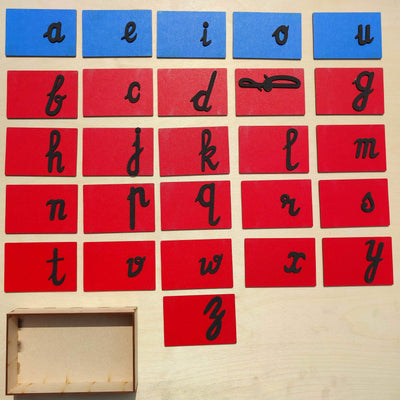
Maria Montessori observed that children thrive in an environment specifically designed to meet their developmental needs, offering freedom within limits. For Montessori at home India, this means creating a dedicated space, even a small corner in an apartment, where each child can find engaging activities. Shelves should hold a variety of Montessori learning materials, from simple rattles for an infant to sandpaper letters for a four-year-old, all within their reach. The key is to have materials that cater to different skill levels, allowing children to choose what interests them, fostering independence and concentration.
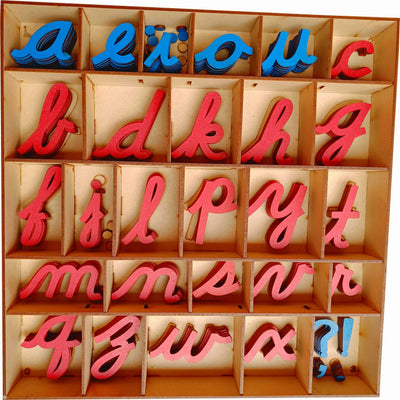
Consider rotating materials periodically to keep interests fresh, much like we rotate seasonal items in our homes for festivals. This approach ensures that even with limited space, the environment remains dynamic and inviting for children across various age groups. For instance, a child developing fine motor skills might engage with knobbed cylinders, while an older sibling works with the movable alphabet in the same room. Both are engaged in purposeful activity.
Fostering Mentorship and Independence
One of the most profound benefits of mixed-age learning is the natural mentorship that blossoms. An older child, perhaps demonstrating how to pour water without spilling using practical life Montessori materials, reinforces their own understanding and patience. They learn to communicate, empathise, and lead. This isn't just about teaching; it's about deep learning through application and explanation.
Conversely, younger children benefit immensely from observing their older siblings or cousins. They see complex tasks being performed and are often inspired to try them earlier than they might in an age-segregated setting. This quiet observation is a powerful form of learning, building curiosity and setting developmental benchmarks. Imagine a toddler watching their older sibling carefully arranging a pink tower; they absorb the sequence, the concentration, and the satisfaction of completion long before they can physically manage the task themselves. This organic interaction significantly supports overall child development India.
Practical Tips for Your Indian Home
Integrating mixed-age Montessori principles into the vibrant tapestry of an Indian home requires thoughtful application.
Observe, Don't Intervene (Always): Your primary role as a parent is that of a careful observer. Watch what captivates your children, what challenges them, and how they interact. Intervene only when absolutely necessary, like ensuring safety or redirecting a truly destructive behaviour. This respect for their concentration is vital for fostering intrinsic motivation.
Age-Appropriate, Yet Inspiring Choices: Offer a range of educational toys for toddlers and preschoolers. For example, a baby might have a soft grasping toy, while a 3-year-old works with a bead stair. Both are purposeful. Ensure materials are self-correcting where possible, allowing children to learn from their own mistakes without adult judgment.
Embrace Everyday Life as Learning: In Indian homes, children often help with daily chores – sorting pulses with Dadi, helping wash vegetables, or folding clothes. These are perfect 'practical life' activities. A younger child can help wipe a low table, while an older child can sweep. These shared responsibilities build a sense of community and contribution, teaching invaluable life skills.
Create Quiet Spaces for Focused Work: Even in a busy joint family home, designate a small mat or a corner as a 'work space' for each child. This teaches respect for another's concentration and helps children differentiate between focused work time and free play. It doesn't need to be elaborate; a simple mat on the floor can signify 'my work space' for the duration of an activity.
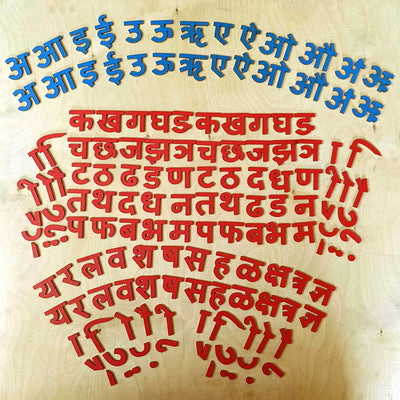
Cultural Connections and Language Richness: Incorporate local culture into your learning. Use traditional stories, songs, and even local materials for crafts. Encourage older children to teach younger ones common phrases in regional languages. This enriches the learning environment and strengthens family bonds, making Montessori learning activities uniquely Indian.
Embracing mixed-age learning the Montessori way at home offers a powerful path to raising independent, compassionate, and capable children. It's about creating an environment where curiosity thrives, and every interaction becomes a lesson in empathy and collaboration. SkilloToys.com is here to support your journey with a wide range of authentic Montessori materials designed for every stage of your child's development, helping you build a nurturing and enriching home learning space.