Montessori Approach to Tantrums: An Indian Parent's Guide
Ah, the dreaded tantrum! One moment your little one is happily stacking blocks, the next they're on the floor, red-faced and screaming because the dal isn't 'right,' or they can't wear their favourite festival outfit for the fifth day straight. For Indian parents, navigating these emotional outbursts often comes with an added layer of family opinions and cultural expectations. But what if there was a way to understand these moments, not as misbehaviour, but as a critical part of child development? This is where the Montessori approach to tantrums offers a profoundly respectful and effective path.
So, what exactly is a tantrum from a Montessori perspective? A tantrum is often an expression of unmet needs, frustration with a lack of control, or an overwhelmed nervous system during a sensitive period of development. It’s not an intentional act of defiance, but rather a child's way of communicating when their verbal skills are still limited. This works because it shifts our focus from punishing behaviour to understanding and addressing the underlying cause, empowering both child and parent. Parents can learn to observe, prepare, and respond with empathy, fostering independence and self-regulation.
Understanding Tantrums Through a Montessori Lens
Maria Montessori observed that children have an innate drive for independence and order. When these needs are thwarted, or when they are simply overwhelmed by sensory input or developmental challenges, a tantrum can ensue. In an Indian home, this might look like a child overwhelmed by the noise of a joint family gathering, or frustrated when an elder insists on feeding them when they want to try themselves.
The 'Do's' of Montessori Tantrum Management for Indian Parents
Responding to tantrums effectively means shifting our own reactions. Here are some Montessori-inspired strategies that resonate well within Indian households:
- Stay Calm and Present: Your child needs your steady presence. Take a deep breath, perhaps a moment for yourself before engaging. Children mirror our emotions, so a calm parent helps a child regulate their own feelings.
- Acknowledge and Validate Feelings: Instead of dismissing their big emotions with 'chup ho jao' (be quiet), try 'I see you're very upset right now. It's okay to be sad/angry.' This teaches emotional literacy.
- Offer Limited Choices: Often, tantrums stem from a lack of control. Give two acceptable choices: 'Do you want to wear the blue kurta or the yellow one?' or 'Would you like to sit here or on the rug?' This fosters a sense of agency, crucial for healthy child development India often champions through independence.
- Create a 'Calm Corner': Designate a quiet, comfortable space in your home – perhaps a small mat or a cushion in a less busy corner. It doesn't need to be elaborate, especially in smaller apartments. This gives children a place to retreat and self-regulate.
- Observe the Pattern: Is there a specific time of day (like before naptime or dinner) or situation (after screen time, during festival preparations) when tantrums are more likely? Understanding triggers helps in prevention.
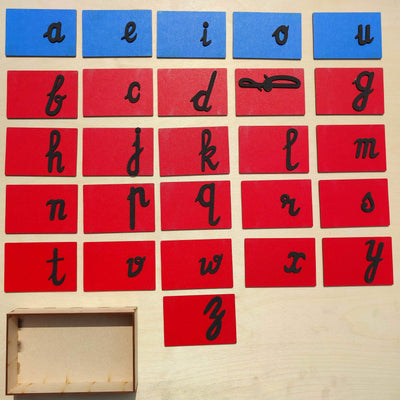
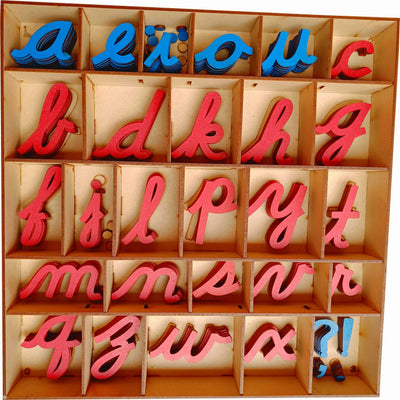
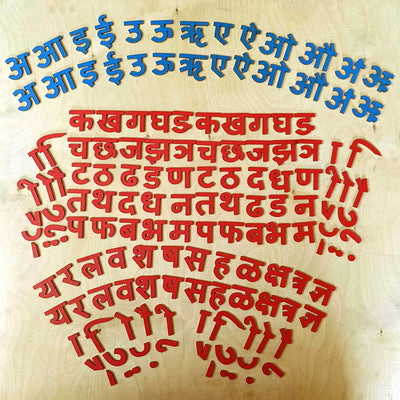
- Engage in Purposeful Work: Provide meaningful activities that offer a sense of accomplishment. Practical life activities like helping sort lentils for dinner, watering plants, or cleaning their own space can build concentration and reduce frustration. Exploring the full range of Montessori method learning materials can give you ideas for activities that foster peace and order.
The 'Don'ts' of Montessori Tantrum Management in an Indian Context
Just as important as knowing what to do, is understanding what to avoid. These common reactions can inadvertently prolong or escalate tantrums:
- Don't Shame or Punish: Telling a child 'Log kya kahenge?' (What will people say?) or threatening 'I'll tell Dadi/Nani!' can instill fear, not self-regulation. Montessori focuses on internal discipline, not external coercion.
- Don't Distract or Bribe: Offering a phone or a sweet to stop a tantrum might work temporarily, but it teaches children that their big emotions are problems to be 'fixed' by external means, rather than felt and processed. This doesn't build long-term emotional intelligence.
- Don't Reason Excessively During the Meltdown: A child in the throes of a tantrum cannot process logic. Wait until they have calmed down before having a conversation about what happened.
- Don't Give In to Demands: If you've set a boundary, stick to it. Giving in after a prolonged tantrum teaches the child that persistence (through a tantrum) is the way to get what they want. Consistency is key for building trust and boundaries, especially for educational toys for toddlers and their routines.
- Don't Compare to Other Children: Every child's developmental journey is unique. Comparing your child's tantrum frequency or intensity to a cousin or neighbour's child can be detrimental to their self-esteem.
Preventing Tantrums with a Prepared Environment
A cornerstone of Montessori at home India practices is the 'prepared environment.' This means setting up your child's space to encourage independence, order, and purposeful engagement. This proactive approach can significantly reduce tantrum triggers.
Consider arranging toys and materials on low shelves, accessible to your child. Think about the flow of your home, even in smaller spaces. Providing age-appropriate toddler Montessori materials that allow for repetition and mastery can keep children engaged and minimise frustration. Simple things like a child-sized broom or a small jug for water can provide immense satisfaction and prevent the frustration that often precedes a tantrum.
Key Takeaways for Managing Tantrums, the Montessori Way:
- Tantrums are a normal developmental stage, not misbehaviour, signifying unmet needs or overwhelm.
- Respond with calm, empathy, and respect, validating your child's emotions without condoning aggressive actions.
- Offer limited, meaningful choices to empower your child and foster independence.
- Avoid shaming, bribing, or excessive reasoning during a tantrum.
- A prepared environment with accessible, purposeful activities can proactively reduce tantrum triggers.
- Consistency and clear boundaries are vital for teaching self-regulation.
FAQs About Montessori and Tantrums
Are tantrums normal for Montessori children?
Yes, tantrums are a completely normal part of child development, regardless of the parenting approach. Even children in Montessori environments experience them as they navigate big emotions, develop language, and assert their growing independence. The Montessori approach simply provides tools for parents to respond to them respectfully.
How do I manage a tantrum in a joint family setting in India?
In a joint family, communication is key. Gently explain to family members that you are trying a new approach that involves acknowledging feelings rather than distracting or shaming. Create a quiet space for your child and encourage family to respect it during a meltdown, offering a unified front of calm support.
What Montessori activities help prevent tantrums?
Activities that foster concentration, independence, and a sense of purpose are excellent tantrum preventers. Practical life skills like pouring water, sweeping, folding clothes, or sorting grains can be incredibly calming and satisfying. These Montessori learning activities build a child's confidence and ability to self-regulate.
When should I be concerned about my child's tantrums?
While tantrums are normal, consult a paediatrician or child development specialist if they are extremely frequent (multiple times a day), last longer than 15-20 minutes, involve self-harm or harm to others, or if your child is consistently unable to calm down afterward. Also, seek advice if the tantrums seem to impede their daily functioning or social interactions.
Navigating the stormy seas of toddler tantrums requires patience, understanding, and a consistent approach. By embracing the Montessori philosophy, Indian parents can equip their children with the emotional tools they need to grow into self-regulated, confident individuals. Explore a world of purposeful play and learning at SkilloToys.com.