Montessori Children & Executive Function: Why They Score Higher
Ever wondered why some children seem to navigate tasks, manage their impulses, and switch between activities with remarkable ease? In our bustling Indian homes, from managing playdates to helping with festival preparations, these skills are invaluable. It's often observed that Montessori children score higher in executive function studies, and there's a wonderful reason why this method shines in building these vital cognitive abilities.
Executive function is like the brain's control centre, managing a set of mental skills that help us get things done. These include working memory (holding information in mind), cognitive flexibility (adapting to new situations), and inhibitory control (self-regulation, stopping impulsive actions). This complex set of skills works because it allows children to plan, focus, remember instructions, and juggle multiple tasks successfully. Parents can support this by offering opportunities for independent decision-making and problem-solving.
A Prepared Environment Cultivates Focus
The Montessori environment, whether in a school or a dedicated "Montessori corner" at home, is designed with purpose. Everything has its place, fostering a sense of order and predictability that reduces overstimulation. This structured yet free environment allows children to choose activities independently, building their internal discipline and concentration.
In an Indian joint family setup or even a small apartment, creating a designated, child-friendly space with accessible materials encourages this crucial independence. Children learn to return items to their spots, reinforcing order and responsibility – key components of executive function.
Practical Life Activities: The Daily Grind as Brain Training
Maria Montessori understood that everyday tasks are powerful learning tools. Activities like pouring water, buttoning clothes, or sweeping build sequential thinking, fine motor skills, and sustained attention. When a child carefully polishes a small silver idol during Diwali preparations, they are not just helping; they are training their focus and precision.
These real-world experiences, often found in Montessori learning materials focused on practical life, require children to plan, execute, and complete a task from beginning to end. This direct engagement significantly strengthens working memory and inhibitory control, essential for strong child development in India.
Sensorial Exploration: Sharpening Cognitive Flexibility
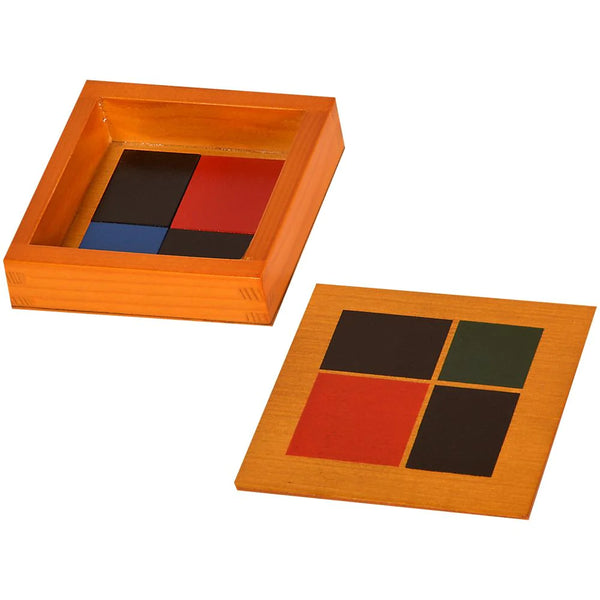
Montessori sensorial materials are ingeniously designed to isolate one quality – colour, size, shape, texture – allowing the child to deeply explore and understand it. For instance, working with the Pink Tower involves grading blocks by size, requiring careful observation and spatial reasoning. This direct experience builds a strong foundation for abstract thought.
These hands-on activities, like those found in Montessori sensorial materials, enhance a child's ability to differentiate, categorize, and classify, which are vital aspects of cognitive flexibility. They learn to adapt their thinking based on the properties of the material itself.
Language and Mathematics: Building Logical Pathways
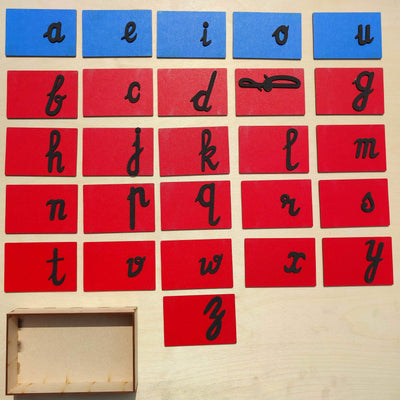
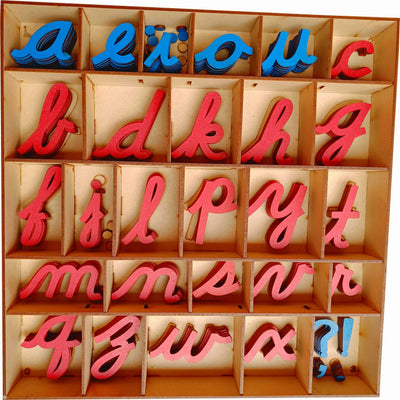
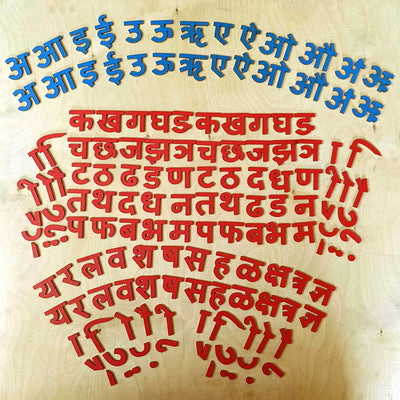
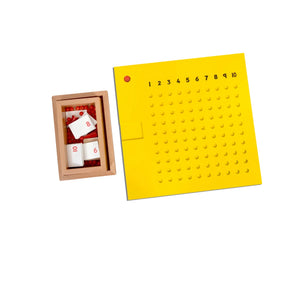
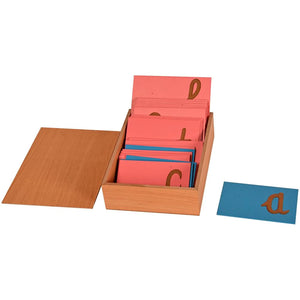
From the movable alphabet for early literacy to the golden beads for understanding number concepts, Montessori materials present abstract ideas in concrete, manipulative forms. Children actively construct their understanding of language and mathematics, following a logical progression. This process develops strong problem-solving skills and sequential processing.
The self-correcting nature of many of these educational toys for toddlers means children learn to identify and correct their own errors, fostering perseverance and independent critical thinking. This "aha!" moment is a powerful driver for developing self-monitoring, a core executive function.
Fostering Self-Regulation and Intrinsic Motivation
The freedom within limits inherent in Montessori education encourages children to choose their work and concentrate for extended periods without interruption. This practice strengthens self-regulation and inhibitory control, as they learn to manage distractions and complete their chosen tasks. The intrinsic motivation to learn and master a skill becomes a powerful internal driver.
Parents supporting "Montessori at home India" often observe their children deeply engaged in an activity, patiently working through challenges. This sustained attention, a hallmark of executive function, is a direct result of being allowed to follow their interests at their own pace.
The Montessori approach, with its emphasis on a prepared environment, hands-on learning, and respectful guidance, provides a fertile ground for nurturing superior executive function skills. By choosing purposeful Montessori learning activities and materials, Indian parents can empower their little ones to develop these crucial cognitive abilities. Explore SkilloToys.com for a curated selection of resources that support this incredible journey in child development.