Montessori Puzzle Maps: Geography Lessons for Young Children
In many Indian homes, where joint families thrive and sometimes space is a cozy constraint, parents often wonder how to introduce vast concepts like geography to their little ones. It might seem daunting to teach about distant lands, oceans, and diverse cultures when our children are just learning to identify their neighbourhood! Yet, imagine a way that turns this grand subject into an engaging, hands-on adventure right on your living room floor. That's precisely what Montessori puzzle maps offer – a beautiful, tactile approach to understanding our world for young children.
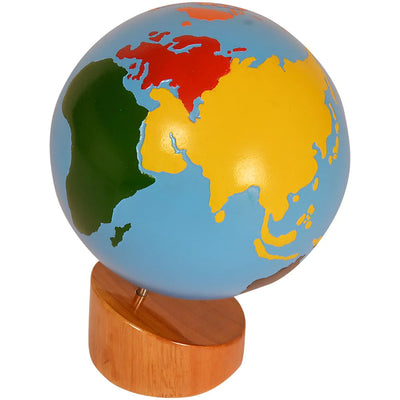
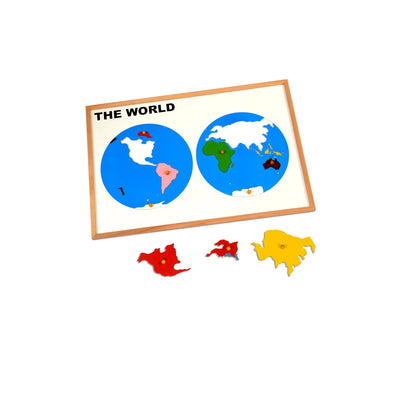
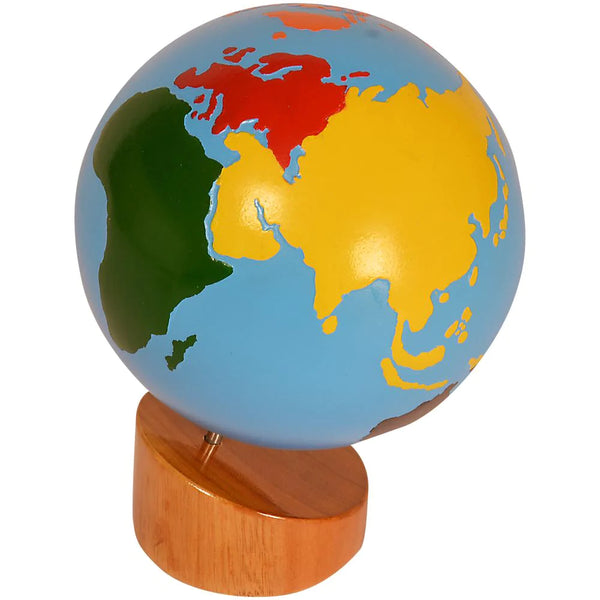
Montessori puzzle maps are iconic educational materials designed by Maria Montessori herself, where each continent or country is a separate, colour-coded wooden puzzle piece with a knob for easy grasping. This ingenious design allows children to physically manipulate and explore the world, rather than just seeing it on a flat page. This works because it appeals to a child's natural curiosity and their need for concrete, sensory experiences, making abstract concepts like continents tangible. Parents can use these maps to introduce geographical names, shapes, and positions, building a strong foundation for future learning and encouraging independent exploration from an early age.
Why Montessori Puzzle Maps are Perfect for Homeschooling in India
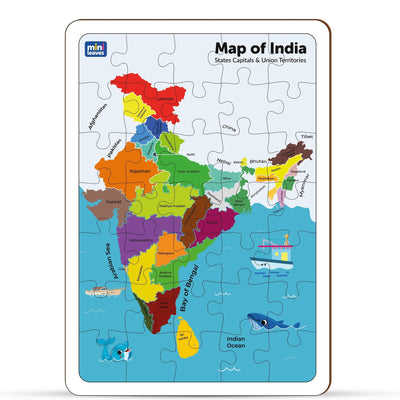
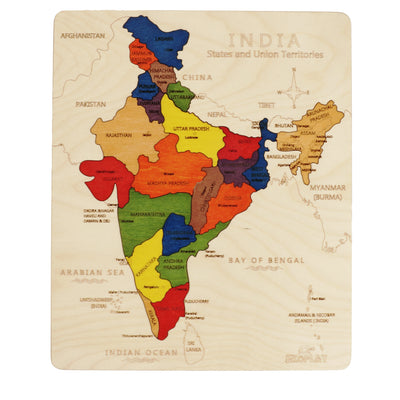
Homeschooling in India presents unique opportunities to blend traditional values with modern learning methods, and Montessori principles resonate deeply with our cultural emphasis on respect for the child and practical life skills. Montessori puzzle maps fit seamlessly into this context, offering a child-led exploration that respects individual pace. These materials are not just about memorising names; they are about fostering a deep, intuitive understanding of the world through sensory engagement. For families in smaller apartments, these compact and durable puzzles can transform any corner into a vibrant learning space, easily stored when not in use. Grandparents, too, often enjoy sharing stories and cultural insights about different regions of India and the world while their little ones work with these fascinating Montessori geography materials, creating beautiful intergenerational learning moments.
Children develop crucial fine motor skills as they carefully place each knobbed piece, strengthening their pincer grip – a vital pre-writing skill that supports future literacy. Simultaneously, they engage their cognitive abilities by observing patterns, matching shapes, and absorbing information about land and water forms. The self-correcting nature of these puzzles means children can discover their own errors and learn from them without adult intervention, building confidence and problem-solving capabilities. This multi-sensory engagement ensures that learning is not only effective but also deeply enjoyable, cultivating a lifelong love for discovery and global awareness. It's a truly holistic way to introduce the globe, fostering concentration and a sense of order.
Getting Started: Your First Geography Lessons for Young Children
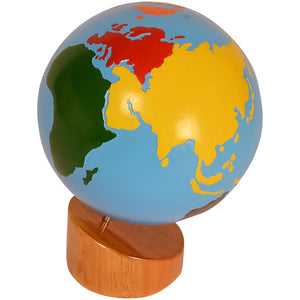
Introducing geography lessons for young children using Montessori puzzle maps begins simply, often around the age of three. Start with the World Map puzzle, allowing your child to freely explore the continents. There's no pressure for immediate memorisation; the initial goal is sensory familiarity and gross classification. Let them trace the edges of the continents, feel their shapes, and learn their names through repeated, clear pronouncements – 'This is Asia,' 'This is Africa.' You can point out India on the Asia piece, sparking familiarity and connection to their own home.
Once they are comfortable with the World Map and can identify the major continents, gradually introduce the individual Continent Maps – starting perhaps with Asia or a continent that sparks their curiosity. Each map serves as a fantastic puzzle for toddlers and preschoolers, encouraging problem-solving and spatial reasoning. You might say, 'Can you find Africa, with its many animals?' or 'Where is Europe, known for its beautiful castles?' Always present the material in a clear, deliberate manner, then step back and observe your child's engagement. Remember, the child is the active learner in the Montessori approach.
Beyond the Map: Enriching Montessori Learning Activities
The beauty of Montessori is how easily one lesson can lead to another, building a web of interconnected knowledge. To deepen your child's understanding of geography, you can combine the puzzle maps with other enriching Montessori learning activities. For instance, after placing the pieces, match them with continent picture cards showing famous landmarks, unique animals, or traditional attire from that region. For child development in India, where diverse cultures are part of our daily fabric, this is especially resonant; you can connect a continent to its traditional dance forms or festivals.
Imagine discussing different Indian festivals celebrated across the subcontinent, and then extending that to festivals around the world. You could use small animal figurines on the map to show where tigers, elephants, or kangaroos are found, making it a truly engaging experience for educational toys for toddlers. Older preschoolers can even use a movable alphabet to label the continents or countries, integrating language skills with geography. Storytelling, reading books about different cultures, and even preparing simple international dishes can further bring these maps to life. This holistic approach helps build a comprehensive understanding, connecting the physical map to real-world context and fostering a deep appreciation for global diversity.
Nurturing Global Citizens with Montessori at Home India
Teaching geography with Montessori puzzle maps is more than just learning names and places; it's about nurturing empathy and an understanding of our interconnected world. As children explore different continents and countries, they naturally begin to appreciate diversity in cultures, climates, and ways of life. This foundational global perspective, fostered right here in your home through Montessori at home India practices, is invaluable for raising compassionate, aware individuals. It encourages children to see themselves as part of a larger global community, promoting a sense of shared humanity from an early age.
By offering these tactile, self-correcting materials, we empower our children to become independent learners and curious explorers. They learn that every place has a story, and every person is part of the larger human family. This early exposure builds a respect for our planet and its inhabitants, paving the way for responsible global citizenship and preparing them to engage thoughtfully with the world around them.
At SkilloToys.com, we believe in providing materials that inspire discovery and growth, helping Indian parents create enriching learning environments at home. Explore our curated range of Montessori method learning materials to support your child's journey of exploration and understanding, bringing the world into your home, one puzzle piece at a time.