Montessori Home Environment for Indian Families
Imagine a home where your child feels truly at ease, free to explore, learn, and grow at their own pace. This isn't just a dream; it's the heart of creating a Montessori home environment, a concept beautifully adaptable for Indian families. Our homes, whether bustling joint families or cozy apartments, hold immense potential to be prepared environments that foster independence and a lifelong love for learning. Let's explore how we can weave these profound principles into the fabric of our everyday Indian lives.
A Montessori prepared environment is a thoughtfully arranged space designed to meet the developmental needs of the child, offering freedom within limits. This works because it empowers children to engage with their surroundings purposefully, fostering concentration, problem-solving, and a sense of accomplishment. Parents can observe their child's natural inclinations and provide appropriate materials and activities that support their growth.
A Space for Independence and Exploration
Low, Accessible Furniture
One of the foundational aspects of a Montessori home is making everything accessible to the child. This means low shelves, child-sized tables and chairs, and hooks at their height. In an Indian home, this could translate to sturdy, low wooden platforms or even using a traditional chowki as a child's workspace. Imagine your little one independently choosing their book or toy from a shelf they can reach.
Order and Simplicity
A clutter-free environment helps children focus and feel secure. While Indian homes can be vibrant and full, creating a dedicated, ordered space for your child's belongings is key. Rotate toys and materials to keep interest high, and ensure everything has a 'home.' This teaches respect for belongings and helps develop a sense of inner order, crucial for child development India.
Freedom of Movement
Children need space to move, crawl, walk, and explore freely. Clear pathways, open floor areas, and even a designated 'movement zone' can be incredibly beneficial. Encourage gross motor development by providing safe spaces indoors and outdoors, allowing them to stretch, climb, and balance, which is vital for physical and cognitive growth.
Integrating Practical Life Skills (with an Indian Touch!)
Everyday Chores as Learning
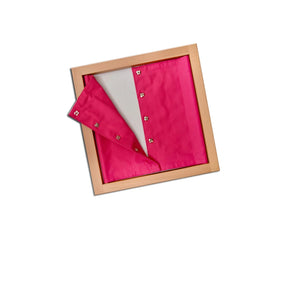
Practical life activities are the cornerstone of Montessori, teaching independence and coordination through real-life tasks. In an Indian context, this could involve your child helping to wash vegetables for dinner, folding clothes (especially smaller items like handkerchiefs or napkins), or even setting the table with a small mat and cup. Explore practical life Montessori materials like pouring sets or dressing frames that mirror these everyday tasks.
Celebrating Festivals with Montessori
Our rich Indian festivals offer incredible opportunities for Montessori learning activities. Children can help make small decorative elements for Diwali, arrange flowers for a puja, or assist in making simple sweets. These experiences not only connect them to their culture but also develop fine motor skills, concentration, and a sense of contribution.
Thoughtful Learning Materials and Play
Choosing Engaging Educational Toys
Focus on quality over quantity when selecting toys. Montessori philosophy advocates for natural, self-correcting materials that engage a child's senses and intellect. Look for wooden toys, puzzles, and sensory bins that encourage exploration rather than passive entertainment. These are essential educational toys for toddlers and preschoolers.
Creating Montessori Learning Activities
You don't need expensive materials to set up effective Montessori learning activities at home. Simple items like matching pairs of socks, sorting pulses, or transferring water with a small ladle are perfect. These activities hone concentration, fine motor skills, and logical thinking. For a broader range of options, consider exploring Montessori method learning materials designed to support various developmental areas.
Nature Connection and Sensory Play
Bring the outdoors in! A small potted plant, a bowl of water with natural objects, or even a tray of sand or rice offers rich sensory experiences. This connection to nature is vital for holistic development and helps children appreciate the world around them, often drawing from elements readily available in an Indian environment.
Adapting for Indian Family Dynamics
Navigating Joint Families and Grandparents
In many Indian homes, grandparents play a significant role. Introducing Montessori can be a beautiful way to bridge generations. Explain the 'why' behind the child's independence – that it's about empowerment, not disrespect. Grandparents can be wonderful partners in practical life activities, sharing traditional skills, and offering loving support as children explore their world, making Montessori at home India a truly collective effort.
Small Spaces, Big Impact
Living in small apartments doesn't mean you can't create a Montessori environment. Utilize vertical space with low shelves, use multi-functional furniture, and be mindful of material rotation. A small mat can define a child's 'work space' in any room, allowing them to focus on one activity at a time. The key is thoughtful organisation and intention, proving that Montessori principles are highly adaptable to various living situations.
Key Takeaways
- Prepared Environment: Design a child-centric space that promotes independence and purposeful activity, following Maria Montessori's philosophy.
- Accessibility & Order: Ensure materials and furniture are at child height, and maintain a simple, ordered environment to foster concentration.
- Practical Life: Integrate daily chores into learning opportunities, connecting children to their culture and developing essential skills.
- Thoughtful Materials: Choose engaging, natural educational toys and create simple learning activities that encourage exploration and self-correction.
- Cultural Integration: Adapt Montessori principles to reflect Indian traditions, festivals, and family dynamics, making it relevant and enriching.
- Empowerment: Focus on nurturing your child's innate drive for independence and their natural path of child development India.
FAQ
What is the ideal age to start Montessori at home?
Montessori principles can be introduced from birth, focusing on creating a stimulating yet calm environment. While formal materials are often introduced around 18 months to 3 years, the underlying philosophy of respect and independence is beneficial from day one.
How can I implement Montessori in a small apartment?
Focus on minimalism, multi-functional furniture, and rotating materials. Designate specific, small 'work areas' with a mat, and use vertical storage effectively. The key is intentionality and making the most of every square inch, proving that a Montessori at home India approach is viable even in urban settings.
What are essential Montessori materials for beginners?
Start with practical life materials like pouring sets, dressing frames, or simple sorting trays. Sensorial materials such as a pink tower or brown stairs (or DIY versions) are also excellent. Prioritize materials that engage multiple senses and are self-correcting.
How do Montessori principles benefit child development in an Indian context?
Montessori fosters independence, critical thinking, and respect, qualities highly valued in Indian culture. By adapting activities to include local customs and materials, it helps children connect with their heritage while developing essential life skills, supporting holistic child development India.
Creating a Montessori home environment is a journey of observation, adaptation, and immense joy. It’s about preparing a space that respects your child's inherent capabilities and nurtures their unique spirit. For quality Montessori and educational toys to support your journey, explore the curated collections at SkilloToys.com.