Montessori Language Arts for Preschoolers at Home
As parents in India, we often dream of giving our children the best start in life, especially when it comes to communication and expression. Bringing the magic of a Montessori environment home can beautifully nurture these skills. If you're exploring how to implement a Montessori language arts curriculum for your preschooler, you're in for a treat that focuses on natural development and joyful discovery.
Montessori language arts is a holistic approach designed by Dr. Maria Montessori to help children effortlessly absorb language, reading, and writing. It's not about rote memorisation, but about preparing the child's mind and hand through a series of sensorial experiences. This method works because it respects the child's innate drive to learn and provides precise, engaging materials that cater to their developmental stages. Parents can easily adapt many of these principles and activities for a stimulating home learning environment, turning everyday moments into powerful learning opportunities.
Foundations of Montessori Language Learning
Language development in Montessori starts long before a child picks up a book. It’s deeply rooted in the child’s entire environment and daily interactions. By consciously creating rich language experiences, we lay a strong groundwork for future literacy.
The Prepared Environment at Home
In Indian homes, whether it’s a sprawling bungalow or a cozy apartment in Bengaluru, creating a 'prepared environment' is key. This means ensuring your child has access to books, art supplies, and materials that encourage independence and communication. Think about a low bookshelf with a variety of stories in English, Hindi, or your regional language, easily reachable by your little one.
Simple things like labeling objects around the house – 'kitchen', 'door', 'flower' – in both English and a local language can immerse children in written language naturally. Even in joint families, designated spaces for quiet work and reading can be carved out, fostering concentration and a love for language.
Practical Life Activities for Language
Everyday chores are goldmines for language development. When your child helps you sort lentils, water the tulsi plant, or set the dining table for an evening meal, you can introduce new vocabulary: 'daliya,' 'pudina,' 'pour,' 'spoon,' 'bowl'. Giving clear, simple instructions like, 'Please get the red plate from the bottom shelf', hones their listening comprehension and expands their understanding of adjectives and prepositions. These are wonderful Montessori learning activities that integrate language seamlessly.
Early Steps: Building Pre-Reading Skills
Before a child reads words, they need to understand that words are made of individual sounds. Montessori activities guide them gently through this phonetic awareness, making reading a natural progression rather than a daunting task.
Sensory Exploration with Sandpaper Letters
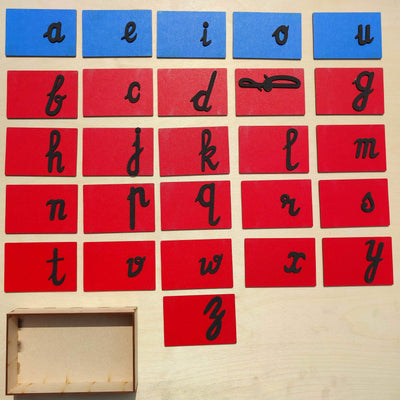
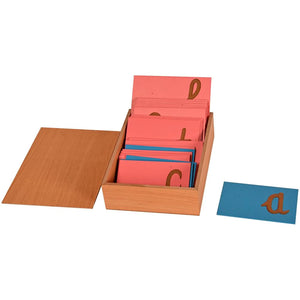
One of the most iconic and effective Montessori materials for early language is the Sandpaper Letters. These textured letters allow children to feel the shape of each letter while simultaneously hearing its sound. It’s a multi-sensory experience that engraves the phonetic sounds into their memory.
For parents practising Montessori at home India, introducing Sandpaper Letters (like those found in our Sandpaper Letters collection) can be a delightful activity. Focus on the sound, not just the name of the letter – for example, 'mmmm' for M, 'aaaa' for A. This direct association helps children decode words much more easily later on.
Sound Games and Storytelling
Playing 'I Spy' with sounds is incredibly effective: 'I spy with my little eye something that starts with the 't' sound (like 'table' or 'tree').' Encourage rhyming games, sing traditional Indian folk songs, and tell stories – perhaps tales passed down by grandparents or stories about Indian festivals. This exposure to diverse vocabulary and narrative structures builds a rich linguistic foundation, crucial for overall child development India.
Moving Towards Reading and Writing
Once phonetic awareness is strong, children naturally move towards decoding and encoding words. The Montessori method provides concrete tools to bridge this gap, allowing children to 'write' before they can formally hold a pencil and 'read' by building words themselves.
The Movable Alphabet and Word Building
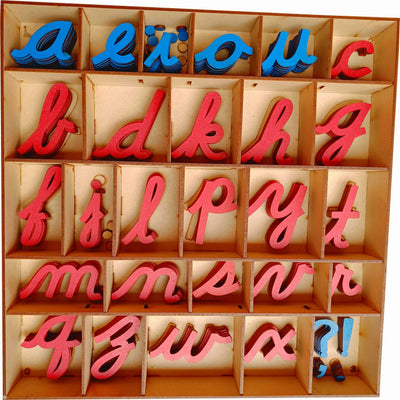
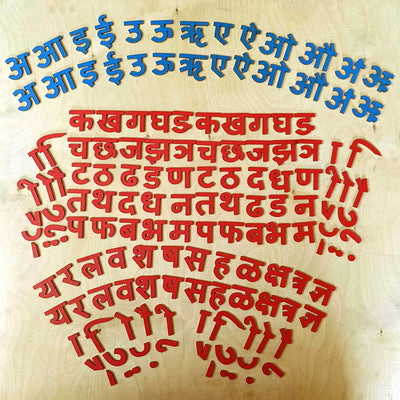
The Movable Alphabet is a phenomenal tool that allows children to physically construct words from individual letter cut-outs. After mastering the sounds of the Sandpaper Letters, children can arrange these letters to form words they know, even before they can write them. This hands-on approach reinforces phonetics and gives them immense satisfaction in creating words independently. Explore resources like the Movable Alphabet in our Montessori language materials collection to support this stage.
Reading and Comprehension
Montessori encourages children to read for meaning and understanding, not just to vocalise words. Start with simple phonetic readers, often called 'pink series' books, which focus on three-letter phonetic words. Create picture-word matching games using common household items or pictures of family members. Encourage your child to connect the written word to the real-world object. As they progress, introduce stories with cultural relevance, perhaps tales from the Panchatantra or Jataka tales, fostering both literacy and a connection to their heritage.
Integrating Language Arts into Daily Indian Life
The beauty of Montessori is its adaptability. It's not about rigid adherence, but thoughtful integration into your family's unique rhythm and culture.
Language in the Kitchen and Garden
Involve your child in cooking traditional Indian dishes. Talk about the ingredients – 'haldi,' 'jeera,' 'dhaniya' – their colours, smells, and textures. In a home garden, discuss the different plants, flowers, and vegetables. These real-life contexts make vocabulary acquisition meaningful and memorable. These moments offer excellent opportunities for introducing new educational toys for toddlers that promote exploration and language.
Celebrating Festivals with Language
Indian festivals are vibrant with stories, songs, and specific vocabulary. Narrate the stories behind Diwali, Holi, or Eid. Teach them the related songs or bhajans. Help them understand the significance of rituals and customs, explaining new words as you go. This enriches their cultural identity while boosting their linguistic repertoire.
Encouraging Conversation
Most importantly, foster an environment where conversation thrives. Listen actively to your child, ask open-ended questions, and share your own experiences. Whether it's during a family dinner with grandparents or a quiet afternoon with just your child, engaging in meaningful dialogue is the purest form of language development.
Key Takeaways
- Early Immersion: Montessori language arts begins with a rich, conversational environment from birth.
- Sensorial Learning: Materials like Sandpaper Letters engage multiple senses for effective phonetic absorption.
- Practical Life Connection: Everyday activities provide context for vocabulary and comprehension.
- Phonetic Focus: Emphasise letter sounds over names for easier reading and writing.
- Independence Through Materials: The Movable Alphabet allows children to build words and express themselves pre-writing.
- Cultural Integration: Weave language learning into Indian festivals, traditions, and daily life.
- Parent as Guide: Observe your child's interests and provide appropriate, engaging materials and conversations.
FAQ about Montessori Language Arts at Home
How young can I start Montessori language activities?
Language development starts from birth! For infants, focus on rich verbal communication, singing, and reading aloud. Structured activities like introducing Sandpaper Letters typically begin around 2.5 to 3 years, when a child shows readiness and interest in sounds and letters.
Do I need specific Montessori materials for language at home?
While specific materials like Sandpaper Letters and the Movable Alphabet are highly effective, you can start with many DIY alternatives. Use textured fabric letters, write on sand trays, or create picture-word cards. The key is to understand the underlying Montessori principle and adapt it to your resources.
How often should we do Montessori language activities?
Consistency is more important than duration. Short, focused sessions (10-15 minutes for preschoolers) daily or several times a week are more effective than long, infrequent ones. Integrate language naturally into daily routines and play, making it a joyful part of your child's day.
What if my child speaks multiple languages at home?
This is a wonderful asset! Children are highly capable of absorbing multiple languages. You can introduce Montessori language concepts in parallel for different languages, perhaps focusing on one language for phonetic work at a time, or designating certain days/people for a specific language. The principles remain the same: provide rich exposure and engage all senses.
What is the role of the parent in Montessori language learning?
The parent acts as an observant guide, preparing the environment and presenting materials when the child shows readiness. Your role is to model clear language, listen attentively, offer opportunities for exploration, and step back to allow independent discovery. Patience and encouragement are your best tools.
Bringing a Montessori language arts curriculum into your Indian home is a journey of discovery for both you and your child. At SkilloToys.com, we are committed to providing high-quality Montessori method learning materials that support your homeschooling efforts and ignite a lifelong love for learning in your little ones.