Montessori Language Arts for Preschoolers at Home
Watching your little one’s eyes light up as they learn a new word or point to a familiar object in a book is a pure joy for any parent. In the bustling, vibrant tapestry of Indian homes, where stories flow freely and multiple languages often intertwine, nurturing a child's language skills is a treasured endeavour. If you’re exploring or already practising Montessori at home in India, you'll find that a structured yet flexible Montessori language arts curriculum can beautifully support this natural growth.
So, what exactly is Montessori language arts for preschoolers? It’s a comprehensive approach, pioneered by Dr. Maria Montessori, that focuses on developing a child’s spoken language, reading, and writing skills in a natural, sequential, and engaging manner. This works because it aligns with a child's sensitive periods for language acquisition, starting with the concrete and moving towards the abstract. Parents can effectively introduce these principles at home, fostering a lifelong love for communication and literacy, even within the cosy confines of an apartment or the lively hub of a joint family.
Building Blocks of Language: The Montessori Way
Montessori views language development as an organic process. It begins with enriching spoken language, progressing to phonetic awareness, reading readiness, and finally, writing. This holistic approach ensures each skill builds upon the last, providing a solid foundation for early literacy. It’s about making language come alive through sensory experiences, not rote memorisation.
In an Indian context, this means leveraging our rich oral traditions. Grandparents narrating Jataka or Panchatantra tales, singing devotional bhajans, or simply engaging children in conversations during festivals like Diwali or Eid, all contribute immensely. These interactions are invaluable for building vocabulary and understanding narrative structures, serving as wonderful "Montessori learning activities."
Practical Montessori Language Activities for Your Indian Home
You don't need a dedicated classroom to implement a Montessori learning environment. Many effective activities can be integrated into your daily routine, using readily available materials or child-friendly tools from SkilloToys.com.
From Sounds to Letters: Sandpaper Letters and Phonics
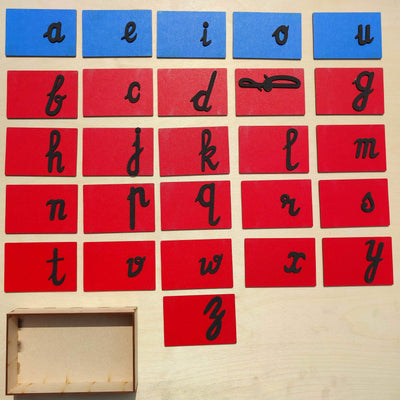
The journey into reading often begins with sounds. Montessori introduces children to the phonetic sounds of letters before their names. This is where Montessori sandpaper letters shine. Each letter, rough to the touch, offers a multi-sensory experience – children see the letter, trace its shape, and hear its sound. This kinesthetic learning helps solidify the connection between sound and symbol. For "Montessori at home India," parents can even create their own tactile letters using sand on cardstock, though professionally made sets ensure consistency and durability.
Expanding Vocabulary: Real Objects and Storytelling
Rich vocabulary is the bedrock of strong language skills. Montessori emphasises using real objects for naming and classification. Instead of just showing pictures, bring out actual fruits, vegetables, or household items and name them clearly. For an Indian home, this could mean naming different spices, puja items, or local vegetables like "bhindi" and "baingan." SkilloToys offers a range of Montessori language materials like nomenclature cards that further enhance this, linking object to written word. Storytelling, whether from books or traditional family tales, also plays a crucial role.
Writing Preparations: Movable Alphabet and Fine Motor Skills
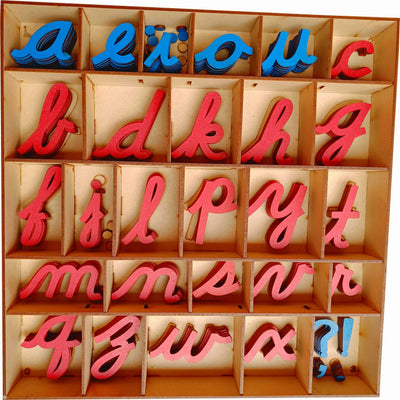
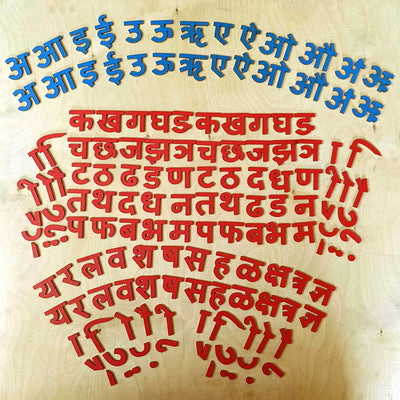
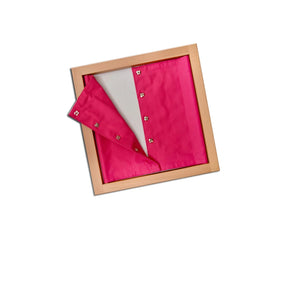
Before a child can write fluently, their hand needs preparation. Activities like transferring grains, pouring water, buttoning, or zipping – all part of practical life skills – build necessary fine motor control. Once ready, the Movable Alphabet is a cornerstone of Montessori writing. Children arrange individual letter cut-outs to form words and sentences, expressing thoughts without the motor challenge of a pencil. This allows them to "write" phonetically long before their hand is ready, fostering early self-expression and supporting "child development India" literacy goals.
Reading Readiness: Picture Cards and Story Books
As children master phonetic sounds and build words, they naturally progress to reading. Picture-word matching cards, simple phonetic readers, and engaging storybooks become invaluable tools. Choose books with clear illustrations and simple narratives initially, gradually introducing more complex stories. Reading aloud daily is perhaps the single most impactful activity parents can do. Make it a cosy ritual, perhaps before naptime or bedtime, creating positive associations with books and reading.
Creating a Nurturing Language Environment
The key to successful homeschooling with a Montessori approach is creating an inviting and organised environment. Designate a special corner, even a small shelf in a compact Indian home, for language materials. Keep it tidy and accessible to your child. Rotate materials periodically to maintain interest. Most importantly, observe your child’s interests and follow their lead. Their innate curiosity is your best guide. Remember, the goal is not to push them, but to provide the tools and freedom to explore language at their own pace.
Engage in rich conversations daily. Ask open-ended questions. Describe your actions as you go about your day. "Amma is kneading the atta for rotis now," or "We are going to the market to buy fresh vegetables." These simple sentences are powerful language lessons, helping with "educational toys for toddlers" beyond the physical toys themselves.
***
Key Takeaways for Montessori Language Arts at Home
- Montessori language arts fosters natural language acquisition from spoken word to reading and writing.
- It focuses on multi-sensory learning experiences, like tracing sandpaper letters, to connect sounds and symbols.
- Real-life objects, storytelling, and rich conversations are vital for expanding vocabulary, especially within an Indian cultural context.
- Practical life activities and the Movable Alphabet prepare children for writing by developing fine motor skills and phonetic awareness.
- Creating an accessible, organised language environment and observing your child's interests are crucial for success.
- Daily reading aloud and engaging dialogue build a strong foundation for lifelong literacy.
Frequently Asked Questions About Montessori Language Arts
At what age should I start Montessori language activities?
You can start fostering language development from birth by talking, singing, and reading to your child. Formal Montessori language materials like sandpaper letters are typically introduced between 2.5 and 4 years, depending on the child's readiness and interest in sounds and letters.
Do I need to buy all the expensive Montessori materials?
While authentic Montessori materials offer specific benefits, you don't need to buy everything. Many activities can be adapted using household items, DIY materials, or more affordable options like those offered by SkilloToys. Focus on the principles behind the materials rather than just the materials themselves.
How can I make language learning fun and not like schoolwork?
The Montessori approach is inherently playful and hands-on. Introduce activities as invitations to explore, rather than mandatory tasks. Follow your child's interest, keep sessions short, and always end on a positive note. Incorporate games, songs, and storytelling to make learning joyful and engaging.
My child speaks multiple languages at home. How does Montessori help with that?
Montessori is highly beneficial for multilingual children as it builds a strong foundation in phonetic awareness and understanding language structure. It helps children distinguish sounds and patterns, which are transferable skills across languages. Consistency in exposing them to different languages and celebrating their linguistic diversity is key.
***
Embracing a Montessori language arts curriculum at home is a beautiful journey that respects your child's individual pace and curiosity. SkilloToys.com is here to support you with a thoughtfully curated selection of educational toys and materials, designed to inspire a love for learning in every Indian child.