Montessori Play Space at Home Under ₹500
As Indian parents, we often hear about the magic of Montessori education and wish to bring its benefits home. Yet, the idea of setting up a dedicated Montessori play space can sometimes feel overwhelming, especially when thinking about budgets and space constraints in our bustling homes. But what if we told you that creating an inspiring, child-led environment doesn't have to break the bank? It's entirely possible to foster independence, concentration, and a love for learning right in your living room, all for under ₹500!
Maria Montessori's philosophy isn't about expensive furniture or imported toys; it's about a thoughtfully prepared environment that respects the child's natural drive to learn. This post will guide you through simple, creative, and budget-friendly ways to bring Montessori principles to life in your Indian home.
What is a Montessori Play Space?
A Montessori play space is a carefully arranged area designed to support a child's natural development and independence. It’s not just a collection of toys, but a 'prepared environment' where everything is accessible, inviting, and ordered, allowing the child to choose activities freely. This works because it taps into a child's innate curiosity and desire for self-directed learning, fostering concentration and practical life skills from a young age. Parents can easily create this space by simplifying and decluttering, focusing on quality over quantity.
Embracing Simplicity: The Foundation of Montessori
Before you even think about materials, consider the space itself. In many Indian homes, from small apartments in Bengaluru to joint family homes in rural areas, space is a premium. A Montessori play space doesn't need a dedicated room; a corner of your child's bedroom or a low shelf in the living area works beautifully. The key is order and accessibility. Keep items at your child's eye level, and present activities on small trays or baskets.
Think about what you already have. An old low-lying `patla` (small wooden stool) can become a perfect child-sized table, or a sturdy cardboard box can be transformed into a low shelf. The goal is to make the environment inviting and easy for your child to navigate independently, encouraging early child development India.
DIY Montessori Activities Under ₹500
Here’s where your creativity shines! Many foundational Montessori learning activities can be crafted using everyday household items and inexpensive materials from your local `kirana` store or `kabaadiwala`.
Practical Life Skills for Everyday Independence
Practical life activities are the heart of early Montessori, teaching children to care for themselves and their environment. These are incredibly easy and cheap to set up:
- Pouring Station: Two small steel `katoris` (bowls) or old plastic containers, a small jug, and some rice, lentils, or water. This helps develop fine motor skills and concentration.
- Scooping Fun: A small scoop (or a large spoon), two bowls, and dried beans or chickpeas. Children love transferring and learning control.
- Washing Cloths: A small basin, a piece of old cloth, and a tiny bar of soap. Perfect for teaching care for one's belongings.
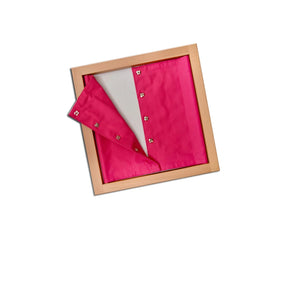
- Buttoning & Zipping Boards: Cut fabric from old clothes or `dupattas`, attach buttons and buttonholes, or a zipper. Mount on cardboard. These are excellent practical life Montessori materials that cost next to nothing.
Sensorial Explorations with Local Materials
Sensorial activities refine a child's senses, and India offers a treasure trove of textures, smells, and sounds.
- Mystery Bags: Fill small cloth bags with different textured items found around the house – cotton wool, a smooth pebble, a rough loofah, a soft piece of silk, or dried leaves.
- Sound Shakers: Small empty spice jars or plastic bottles filled with varying amounts of rice, `dal`, pebbles, or sand. Children can shake and match sounds.
- Smell Jars: Small containers with cotton balls soaked in different natural extracts like rosewater, vanilla essence, or common Indian spices like cardamom or clove.
Language & Math: Building Foundational Skills
You don't need fancy materials to introduce basic concepts.
- DIY Sandpaper Letters: Cut letters from thick cardboard and glue sandpaper or textured fabric (like velvet) onto them. Use regional scripts too! This is a fantastic way to introduce literacy for `Montessori at home India`.
- Counting Collection: Gather small, natural items like `bindis`, buttons, small stones, or seeds. Use these with number cards (handwritten on cardboard) for counting and one-to-one correspondence.
- Matching Pairs: Collect pairs of identical objects (e.g., two identical spoons, two similar flowers, two identical fabric scraps) or cut pictures from old magazines for matching games. This encourages visual discrimination.
Creating an Inviting & Ordered Space
The beauty of a Montessori play space lies in its order. Even with budget materials, thoughtful arrangement makes a huge difference. Use small `thalis`, shoebox lids, or woven baskets (easily found at local markets for under ₹50) to present each activity separately. This helps children focus on one task at a time and makes clean-up a natural part of the cycle.
Remember, the goal is not to buy everything, but to curate a space that supports your child's natural development. These educational toys for toddlers don't have to be expensive to be effective. Keep the environment clutter-free and rotate materials every few weeks to maintain interest and offer new challenges. For a wider range of ideas, explore Montessori method learning materials and toys.
By implementing these simple ideas, you're not just saving money; you're teaching your child the value of resourcefulness and creativity. You're creating a nurturing environment where they can grow into independent, confident individuals, celebrating the spirit of Montessori learning activities in a uniquely Indian way.
Key Takeaways for a Budget Montessori Play Space
- Montessori at home doesn't require expensive materials; resourcefulness is key.
- Focus on creating an ordered, accessible, and child-sized environment.
- Utilise everyday household items and local, inexpensive materials for DIY activities.
- Practical life activities are easily made with items like rice, lentils, and old clothes.
- Sensorial exploration can use natural items, spices, and repurposed containers.
- Introduce early language and math with DIY sandpaper letters and counting collections.
- Rotate materials frequently to maintain your child's engagement and interest.
- Embrace the unique opportunities and materials available in an Indian home context.
Frequently Asked Questions
Q: What age can I start setting up a Montessori play space for my child?
A: You can start introducing Montessori principles from birth. For infants, focus on a simple, clutter-free environment with accessible visual and tactile stimuli. As they become toddlers, introduce simple practical life and sensorial activities.
Q: Do I need special Montessori furniture for a play space?
A: No, you absolutely don't! The core idea is child-sized and accessible. You can repurpose low stools, sturdy cardboard boxes, or small existing furniture. Low shelves or even floor mats are often sufficient for presenting materials.
Q: How do I keep my child engaged with DIY Montessori materials?
A: The key is observation. Introduce one activity at a time, show them how to use it, and then allow them to explore freely. Rotate materials regularly to keep things fresh and respond to your child's current interests and developmental stage.
Q: What if I live in a very small apartment? Can I still create a Montessori play space?
A: Absolutely! Montessori is about intention, not space. Designate a small corner, use vertical space with low shelves, and focus on fewer, high-quality (even if DIY) activities. Remember, a prepared environment can be fluid and adapt to your home's limitations.
Q: Is it okay to mix Montessori materials with regular toys?
A: Yes, it is! While a pure Montessori environment focuses on specific materials, in a home setting, balance is often best. The Montessori philosophy encourages mindful choices, so try to select regular toys that are open-ended, made of natural materials, and promote active engagement rather than passive entertainment.
Creating a beautiful and effective Montessori play space at home doesn't require a large budget or a vast space. It requires intention, observation, and a willingness to be creative with what you have. SkilloToys.com is here to support your journey with a curated selection of educational resources and materials that complement your home environment, helping your child thrive.