Montessori Puzzle Maps: Geography Fun for Young Children
Imagine your little one, eyes wide with wonder, tracing the contours of India or fitting a continent into its place. In many Indian homes, where families gather and stories of distant lands are shared, nurturing a love for our diverse world feels deeply natural. Making learning about this big, beautiful planet fun and accessible for young children, especially within the Montessori philosophy, is where Montessori puzzle maps truly shine.
Montessori puzzle maps are precisely crafted wooden puzzles, with each piece representing a country or continent. These unique materials allow children to physically manipulate geographical shapes, helping them internalise concepts of size, shape, and relative position long before they grasp abstract terms. This works because the tactile, self-correcting nature of the puzzles allows children to physically explore geographical shapes and relationships, building a strong sensorial foundation. Parents can introduce these maps as a hands-on invitation to discover the world, making abstract concepts concrete and engaging. Explore our range of Montessori geography materials to begin this exciting journey.
Why Geography Matters for Little Ones
Even for preschoolers, understanding geography goes far beyond memorising names. It fosters spatial awareness, develops an early sense of cultural diversity, and sparks curiosity about the world. For children growing up in India, with its incredible linguistic, culinary, and geographical variety, a foundational understanding of maps can help them appreciate their own heritage and connect with the broader global community.
Introducing geography early helps children build a mental framework for understanding news, travel, and different cultures they encounter daily, from family visiting from another state to grandparents sharing stories from their travels. It lays groundwork for empathy and global citizenship, crucial skills for a well-rounded individual.
Starting Your Geography Journey with Puzzle Maps at Home
Integrating Montessori puzzle maps into your home environment, whether in a sprawling bungalow or a cosy apartment in Bengaluru, is simpler than you might think. Maria Montessori believed in following the child's lead, and this principle is key when presenting these materials.
The Initial Exploration (Ages 2.5-4)
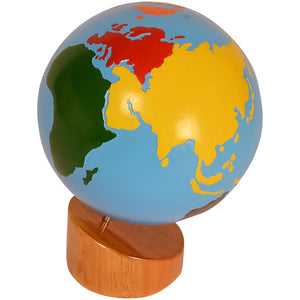
For toddlers and younger preschoolers, the initial interaction with the puzzle maps is purely sensorial. Present the continent map (like the World Map) or the India map one at a time. Show them how to gently take out a piece, trace its outline with their finger, and then carefully put it back. There's no need to name the countries or continents yet.
This early engagement focuses on developing fine motor skills, concentration, and visual discrimination. It’s an invitation to explore the shapes and textures, much like they would with other educational puzzles. The goal is familiarity and comfort, allowing the child to absorb information through their senses, preparing them for later, more explicit learning.
Expanding Horizons: Naming and Placing (Ages 4-6)
As your child grows, typically around ages four to six, their interest will naturally shift to naming and understanding. This is when you can introduce the names of the continents or states as you present each piece. Use a simple, clear three-period lesson: "This is Asia," "Show me Asia," and "What is this?"
Beyond naming, encourage storytelling. "This is where our cousins live!" or "This is where the elephants come from." Connecting geographical locations to personal experiences or fun facts makes the learning vivid and memorable. These Montessori learning activities foster a deeper understanding of the world.
Creative Extensions for Indian Homes
Making geography relevant within an Indian context is wonderful for child development in India. When discussing the India map, point out your home state, the states where relatives live, or where favourite festivals originate. During Diwali, you might talk about where firecrackers are made or how the festival is celebrated differently in various states.
You can also use a small globe or a larger world map to show the relationship between India and other countries. Cook dishes from different parts of India or the world, show pictures from family travels, or even just read books about children in other lands. These simple, everyday activities transform abstract map shapes into living, breathing concepts.
Beyond the Maps: Holistic Child Development
While the primary benefit of Montessori puzzle maps is geography, their impact on a child's overall development is immense. Working with these maps enhances fine motor skills as children manipulate the knobs and pieces, improves hand-eye coordination, and develops concentration as they focus on completing the puzzle. They also encourage problem-solving and critical thinking as children learn to orient and fit pieces correctly.
These skills are foundational for future learning and align perfectly with the holistic approach of Montessori education. They are excellent educational toys for toddlers and preschoolers, preparing them for more complex academic work while nurturing their natural curiosity.
Key Takeaways
- Montessori Puzzle Maps offer a hands-on, engaging way to teach geography to young children.
- They build foundational skills like fine motor coordination, concentration, and spatial awareness.
- Introduce maps sensorially first (2.5-4 years), then introduce names and stories (4-6 years).
- Integrate geography into daily Indian life through festivals, food, family, and stories.
- The maps support holistic child development, going beyond just geographical knowledge.
- These materials foster a love for learning about the diverse world and cultural appreciation.
Frequently Asked Questions About Montessori Geography
How old should my child be to start with Montessori puzzle maps?
Children can typically begin exploring Montessori puzzle maps around 2.5 to 3 years of age, starting with the simpler continent maps. The initial focus is on tactile exploration and manipulating the pieces, rather than memorising names, aligning with their natural developmental stage.
Do I need to be a Montessori expert to use these maps at home?
Absolutely not! The beauty of Montessori materials like the puzzle maps is their self-correcting nature and intuitive design. You just need to present them clearly, show the child how to use them, and then allow them the freedom to explore at their own pace. Your presence and encouragement are more valuable than expert knowledge.
How can I make geography relevant to my child in India?
Connect the map pieces to their immediate world: point out your home state, talk about family trips to different regions, or discuss the origins of their favourite Indian festivals or foods. Use stories from grandparents about their native places, or explore local handicrafts to link them to specific states on the map.
Are Montessori puzzle maps suitable for small apartments?
Yes, Montessori puzzle maps are designed to be compact and can be easily stored. You don't need a dedicated "classroom" space. A small mat on the floor or a clear table corner is often enough for a child to engage with the material, making them perfect for urban Indian homes.
Embrace the joy of discovery and watch your child's understanding of the world unfold with these remarkable tools. At SkilloToys.com, we are committed to providing high-quality, authentic Montessori educational toys that support your child's natural learning journey.