Montessori Zoology Lessons for Homeschoolers
Children, by their very nature, are curious beings. Watch a little one’s eyes light up at the sight of a colourful bird on the balcony or a cow ambling down the street, and you’ll instantly grasp their innate connection to the animal kingdom. Bringing the world of animals into your home through engaging Montessori zoology lessons is a beautiful way to nurture this natural curiosity and lay strong foundations for a deep understanding of life.
Montessori zoology is a scientific discipline within the Montessori curriculum that introduces children to the diversity of animal life, their characteristics, classifications, and habitats. This approach focuses on fostering observation, respect for living things, and an understanding of the interconnectedness of all life forms. This works because it aligns perfectly with a child's absorbent mind and sensitive periods, offering concrete, hands-on experiences. Parents can provide simple, structured materials and opportunities for exploration to guide their child's discovery.
Why Animals Spark Curiosity in Indian Homes
In Indian homes, animals are often an integral part of daily life, whether it's the friendly stray dog, the chirping sparrows, or stories of mythical creatures from our rich folklore. Grandparents often share tales of Panchatantra or Jataka stories, where animals teach valuable life lessons, naturally sparking a child's interest. These early interactions are vital for healthy child development in India, making animal studies a joyful and relatable subject for Montessori learning activities at home.
Starting with the Basics: Animal Classification
Maria Montessori observed that children thrive on order and classification. Introducing them to animal groups helps them organise their world. We begin with broad categories, moving towards more specific distinctions, just as a child first understands 'family' before 'cousin'.
Focus on Vertebrates and Invertebrates
A wonderful starting point is the distinction between animals with a backbone (vertebrates) and those without (invertebrates). This can be introduced using simple picture cards or small animal figurines. You can ask questions like, "Does this animal have bones inside like you?" This tangible comparison helps children grasp abstract concepts. Many Montessori Method Learning Materials include sets designed for this purpose, providing clear, concise representations.
Delving Deeper: Mammals, Birds, Fish, Reptiles, Amphibians
Once the child understands vertebrates, you can introduce the five classes: mammals, birds, fish, reptiles, and amphibians. Each class has distinct characteristics that can be explored sensori-motorically. For example, feel a smooth stone (like a fish scale), a feather (like a bird), or soft fabric (like a mammal's fur). Use three-part cards (picture, label, control card) to match animals to their correct class, enhancing vocabulary and visual discrimination. This builds foundational knowledge about the living world.
Exploring Habitats and Our Environment
Understanding where animals live is crucial for developing an ecological conscience. This is where geography and zoology beautifully intertwine. Discussing animals in their natural homes helps children see the bigger picture of interconnectedness.
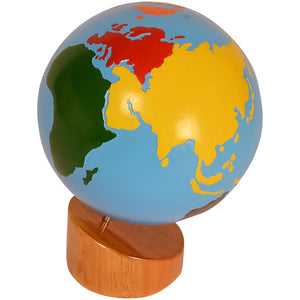
You can use world maps or globes to show different biomes – deserts, forests, oceans – and then place animal figurines on the corresponding areas. For younger children, a simple approach is to talk about local animals: where does the pigeon build its nest? Where does the ant live? Montessori Geography Materials, like puzzle maps, can be excellent tools to visually link animals to their global homes, even for small apartments in bustling cities like Bengaluru.
Hands-On Animal Anatomy with Puzzles
One of the most engaging ways to teach animal anatomy is through wooden puzzles. These puzzles break down an animal's body into its component parts, allowing children to manipulate and understand its structure directly. Start with simple two or three-part puzzles for toddlers and gradually introduce more complex ones as they grow.
For example, a wooden fish puzzle might have separate pieces for the head, body, and tail, while a bird puzzle could include wings, beak, and legs. This hands-on exploration builds fine motor skills, problem-solving abilities, and a concrete understanding of how different parts contribute to the whole. You can find a variety of engaging puzzles that are perfect educational toys for toddlers and preschoolers, fostering both learning and development.
Respect for All Life: Practical Activities
Montessori zoology isn't just about facts; it's about fostering empathy and responsibility towards all living beings. In an Indian context, this can be beautifully woven into daily life. Encourage children to observe and care for plants in your home or balcony garden. Talk about how birds build nests and the importance of not disturbing them. Simple activities like filling a bird bath can instill a sense of compassion and connection to nature, even in urban settings.
Reading age-appropriate books about animals, drawing pictures of animals they’ve seen, or even creating simple animal crafts from local, sustainable materials like clay or fallen leaves can reinforce their learning. These activities help children develop a profound respect for the environment and the creatures that inhabit it, promoting holistic child development in India.
Key Takeaways for Montessori Zoology at Home:
- Montessori zoology nurtures a child's natural curiosity about animals through observation and hands-on learning.
- Start with broad classifications like vertebrates and invertebrates, then move to specific animal classes (mammals, birds, fish, reptiles, amphibians).
- Integrate Indian cultural context by referencing local animals, traditional stories, and festivals.
- Use Montessori geography materials to teach about animal habitats and environmental interconnectedness.
- Wooden animal puzzles are excellent for teaching anatomy, fine motor skills, and problem-solving.
- Foster respect and empathy for all living beings through practical activities like caring for plants and observing local wildlife.
What age is best to start Montessori zoology lessons?
Children as young as 18 months can begin exploring animal concepts through books, figurines, and simple observations. Formal classification and detailed lessons typically begin around 3 years old, aligning with their developing cognitive abilities and sensitive periods for order and language.
Do I need expensive Montessori zoology materials?
Not necessarily. While specific Montessori materials are excellent, you can effectively teach zoology using common items like animal picture books, toy animals, natural elements (feathers, leaves), and simple DIY cards. The key is to present concepts clearly and engagingly, focusing on the child's interest.
How can I teach about animals if we live in a small apartment?
Even in a small apartment, you can create a rich zoology environment. Focus on local birds from your window, keep a small plant for observation, use books and documentaries, and visit local parks or pet shops. Emphasise stories, puzzles, and sensory bins with animal themes, making Montessori at home India accessible anywhere.
How do Montessori animal lessons benefit child development?
Montessori animal lessons enhance language skills through new vocabulary, develop critical thinking and classification abilities, improve fine motor skills with puzzles, and foster empathy and respect for all living things. They also cultivate a lifelong love for nature and scientific inquiry, contributing significantly to holistic child development.
Bringing the magic of the animal kingdom into your home through Montessori zoology lessons is an enriching experience for both you and your child. At SkilloToys.com, we understand the unique needs of Indian parents exploring Montessori at home and offer a curated selection of educational toys designed to support your child's journey of discovery.