Outdoor Play Physically Grows a Child's Brain!
Did you know that outdoor play physically grows a child's brain? For Indian parents navigating the beautiful chaos of early childhood, it's a fascinating thought that simply stepping outside could be a powerful tool for cognitive development. We often think of educational toys and structured learning, but the natural world offers a 'classroom' unlike any other, especially crucial for children aged 0-6 years.
Outdoor play is a vital catalyst for early brain development, not just a way to burn energy. This works because diverse outdoor experiences stimulate neural pathways and enrich cognitive functions. Parents can actively facilitate this by providing safe, unstructured outdoor exploration, even within the confines of a city apartment or a busy joint family home.
Nature's Classroom: A Sensory Feast for the Brain
Imagine your little one at a local park or even in a small balcony garden. The feel of rough bark, the scent of fresh soil after rain, the sound of birds chirping, the sight of vibrant flowers – these are all powerful sensory inputs. Each new sensation triggers electrical signals in the brain, creating and strengthening neural connections. Maria Montessori herself championed direct sensory experience as fundamental to learning, and what better place than nature to provide this richness?
Building Pathways with Every Step and Climb
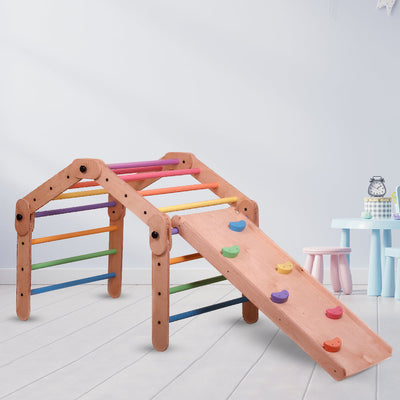
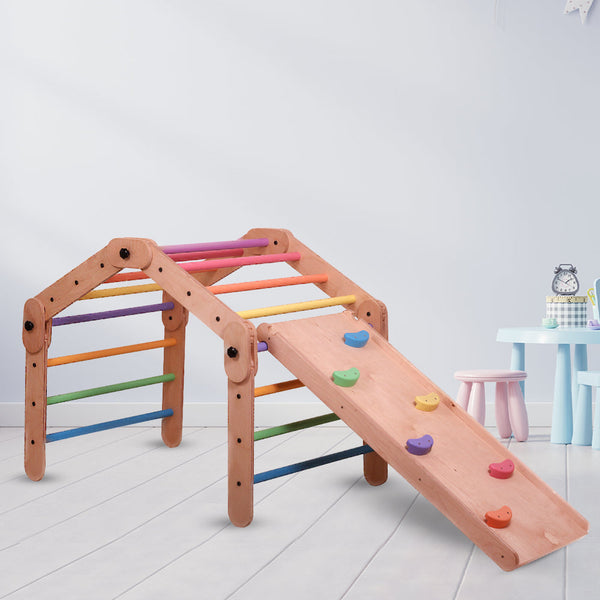
When children engage in gross motor activities like running, jumping, climbing, or balancing on a low wall, they are doing more than just exercising their muscles. These movements require coordination, balance, and spatial awareness, all of which are complex cognitive tasks. The cerebellum, often associated with motor control, also plays a significant role in cognitive functions like attention and language. Encouraging these activities with gross motor skill development toys or simply through free play helps wire the brain for better overall functioning.
Furthermore, navigating uneven terrain or figuring out how to climb a small rock strengthens problem-solving skills. This kind of active engagement improves executive functions – planning, working memory, and cognitive flexibility – which are critical for academic success and life skills. It's a natural form of Montessori learning activities that builds resilience and adaptability.
Montessori Principles and the Great Outdoors
Dr. Montessori observed that children have an innate drive to explore and learn from their environment. The outdoor world, with its boundless opportunities for discovery, perfectly aligns with this philosophy. Whether it's carefully observing an ant trail or tending to a small plant, these experiences foster concentration, respect for life, and a deep understanding of the world around them.
Fostering Independence and Problem-Solving
In the Montessori method, independence is key. Outdoors, children often have more freedom to choose their activities and direct their own play. They learn to assess risks, make decisions, and resolve conflicts with peers, all without constant adult intervention. This self-directed learning is invaluable for developing a strong sense of self and robust problem-solving abilities, preparing them for more structured learning with Montessori educational toys for toddlers later on.
Consider the focus required to balance a pitcher of water during a garden tea party, or the critical thinking involved in building a mud fort. These seemingly simple games are rich in lessons that build cognitive architecture. This is how Montessori at home India can seamlessly extend beyond the living room into your balcony or nearby park.
Practical Tips for Indian Homes
We understand that space can be a challenge in many Indian cities. But even in a small apartment, outdoor play for children aged 0-6 years is achievable.
Making the Most of Limited Space
- Balcony Gardens: A few potted plants, a small watering can, and some soil can provide immense sensory input and practical life experience. Let your child help water the plants or even plant a seed.
- Terrace Play: If you have access to a building terrace, designate a safe corner for free play with simple materials like a large basin for water play, sand, or some traditional wooden blocks. Grandparents often have wonderful ideas for traditional outdoor games that can be adapted.
- Local Parks and Community Spaces: Make regular visits to nearby parks a priority. Encourage climbing, running, and exploring. The social interaction is also crucial for emotional and social development.
- Nature Walks: Even a walk around the block can be an adventure. Point out different leaves, listen to sounds, and talk about the sky. This is excellent for language development and observation skills.
Bringing the Outdoors In
When outdoor access is truly limited, you can still bring elements of nature indoors. A nature table with leaves, stones, and flowers collected from a recent trip, or a small sand and water tray can provide rich sensory experiences. These thoughtful additions create a stimulating environment, echoing the principles found in many Montessori method learning materials and toys.
Embracing outdoor play is one of the most natural and effective ways to foster holistic child development in India. It nurtures not just their bodies and minds, but also their spirit of inquiry and love for the world. At SkilloToys.com, we believe in supporting every aspect of your child's growth, inside and out. Explore our range of educational toys designed to complement this journey of discovery and learning.