Practical Life Curriculum: 18 Months to 3 Years
There's a special joy in watching your little one try to do things independently – whether it's putting on their tiny chappals or attempting to wipe a spill. This innate drive for self-reliance is at the heart of the Montessori philosophy, especially when it comes to the practical life curriculum for 18 month to 3 year olds. In an Indian home, where children often see elders engaged in daily chores, these activities become powerful tools for growth, transforming everyday tasks into engaging learning opportunities.
A Montessori practical life curriculum is a carefully prepared set of real-world activities designed to help young children develop independence, concentration, coordination, and a sense of order. This works because toddlers, especially from 18 months to three years, are in a sensitive period for movement and language, eager to imitate and contribute. Parents can thoughtfully integrate age-appropriate versions of household chores and self-care routines into their child's day, fostering significant developmental leaps.
The Foundation of Independence: Why Practical Life Matters
Introducing practical life activities early lays a crucial foundation for a child's holistic development. These seemingly simple tasks, such as pouring water or sweeping a small area, demand focused attention and precise movements, thereby enhancing a toddler's concentration span and refining their fine and gross motor skills. Imagine the dexterity required to pick up tiny rice grains or button a kurta!
Beyond physical skills, practical life activities cultivate a strong sense of self-esteem and capability. When children successfully complete a task, they gain confidence in their abilities and feel like a valued contributor to the family. This sense of belonging and competence is particularly significant in the close-knit environment of Indian joint families, where children naturally observe and want to participate in community life.
Practical Life Activities for 18-Month to 3-Year-Olds
The beauty of practical life is that many activities are already happening around us. We simply need to invite our children to participate in a child-friendly way. SkilloToys offers a range of practical life Montessori materials that support these explorations, but everyday items are equally effective.
Care of Self
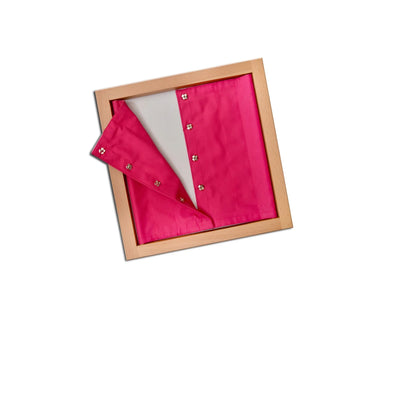
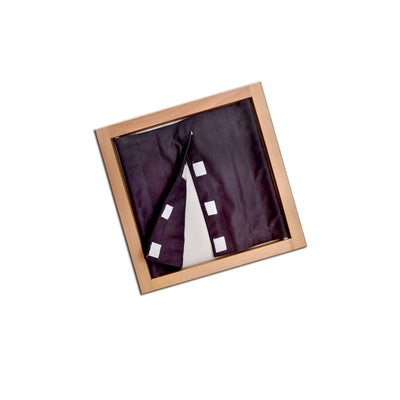
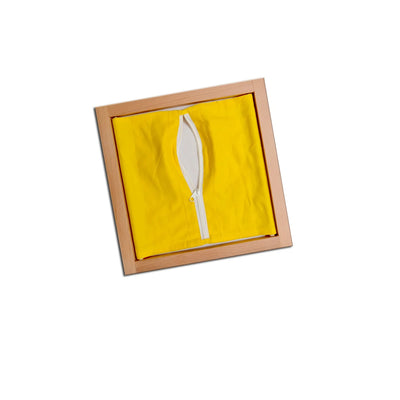
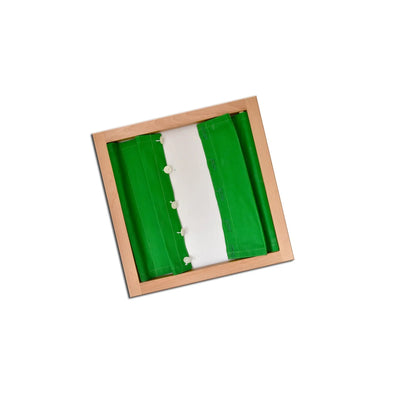
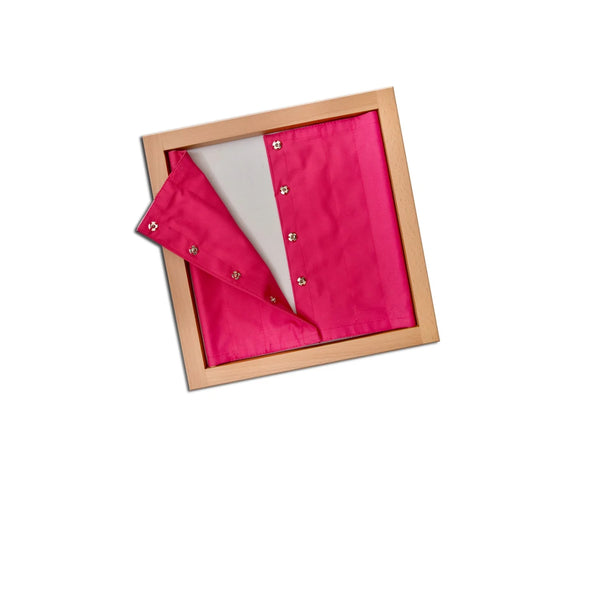
Encourage your toddler to take ownership of their personal needs. This could involve dressing themselves, like putting on their own chappals or attempting simple buttons on a kurta. Providing a low mirror and a small stool near the washbasin can empower them to wash their hands and face independently, building routines for hygiene.
Care of the Environment
Children love to help! In an Indian home, there are countless opportunities. A small broom can allow them to sweep dust from the floor or balcony, while a damp cloth can be used for dusting low surfaces or even helping wipe the puja area. Watering small plants, like a tulsi plant, teaches responsibility and connects them with nature.
Involving toddlers in kitchen activities, like washing vegetables for a sambar or attempting to knead a small portion of atta, makes them feel included and teaches them about food preparation. These are wonderful ways to introduce "Montessori learning activities" organically. For more general Montessori resources, explore our main Montessori collection.
Grace and Courtesy
These activities teach social norms and respectful interactions, crucial for navigating family and community life. Practising greeting elders with a "Namaste," saying "please" and "thank you," and learning to wait for their turn are vital lessons. Simple phrases like "May I help you?" or "Excuse me" become part of their daily vocabulary.
Montessori Preparatory Activities
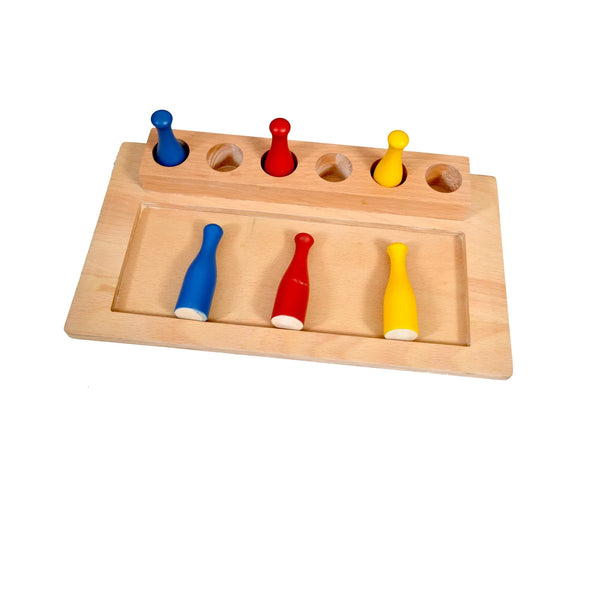
These are often the first introduction to practical life for younger toddlers, focusing on refining movements. Pouring water from a small jug into a glass, or transferring dry ingredients like rice or lentils with a spoon or tongs, are excellent for concentration and hand-eye coordination. An imbucare box is another fantastic tool for developing fine motor skills and understanding object permanence.
Setting Up Your Indian Montessori Home
Creating an environment that supports practical life doesn't require a large space. Even in small apartments, thoughtful arrangements can make a difference. Provide child-sized furniture, like a low table and chair, and ensure materials are accessible on low shelves. Using traditional Indian items like small brass vessels for pouring, wooden spatulas, or terracotta pots for transferring can make activities culturally relevant and appealing.
Embrace the rhythm of your family's life. Whether it's helping prepare for a festival like Diwali by sorting diyas, assisting grandparents with their daily routines, or simply participating in tidying up after meals, these integrated experiences are invaluable. This approach embodies "Montessori at home India" by blending philosophy with cultural practice, providing rich "educational toys for toddlers" through everyday life.
Observing Your Child: The Montessori Way
The most important tool for any Montessori parent is observation. Watch your child to understand their interests, their current capabilities, and what challenges them. If they are fascinated by water, offer more pouring activities. If they struggle with buttoning, simplify the task or provide larger buttons. Your child will show you what they are ready for, guiding your introduction of new "Montessori learning activities."
Implementing a practical life curriculum for 18-month to 3-year-olds is a journey of discovery for both parent and child. It's about empowering them to become capable, confident individuals who feel a sense of purpose within their family and community. For quality Montessori materials and child development India resources to support this beautiful journey, visit SkilloToys.com.