Practical Life Station for 2-Year-Olds in Indian Homes
In the vibrant hustle and bustle of Indian homes, where everyday life is a rich tapestry of chores, celebrations, and shared moments, toddlers are naturally eager to participate. They watch, they imitate, and they long to lend a helping hand, whether it's setting the dining table for a festive meal or helping their grandparents water the plants. This innate drive for independence is precisely what Montessori's practical life activities aim to nurture. Setting up a practical life station for 2-year-olds in your Indian home is a beautiful way to channel this energy, fostering essential skills and a sense of belonging.
A Montessori practical life station is a specially prepared environment that allows children to engage in purposeful activities mirroring adult daily tasks. This isn't just about keeping them busy; it's about building concentration, coordination, independence, and a sense of order. For a 2-year-old, these activities might seem simple – pouring water, buttoning a shirt, or sweeping crumbs – but they are profound learning experiences. This works because children learn by doing, gaining mastery and confidence through repetition. Parents can observe their child's interests and readiness to introduce activities that resonate with their developmental stage, turning everyday tasks into powerful Montessori learning activities.
Why a Practical Life Station is Perfect for Indian Homes
Indian homes, with their emphasis on community, family involvement, and a bustling atmosphere, are uniquely suited for practical life. Children often grow up witnessing adults engaged in a variety of household tasks, from preparing traditional dishes to organizing pooja essentials. A practical life station helps integrate the child into this environment meaningfully.
Making Space in Any Home
Whether you live in a sprawling independent house or a cozy apartment in Bengaluru, space is often a consideration. The beauty of a practical life station is its flexibility. You don't need a dedicated room. A small, accessible corner in the living room, a section of the balcony, or even a low shelf in the kitchen can serve as an ideal spot. The key is to make it tidy, organized, and inviting for your toddler.
What to Include in Your 2-Year-Old's Practical Life Station
The essence of a practical life station lies in its simplicity and child-friendliness. For a 2-year-old, the activities should be engaging but not overwhelming. Think about tasks they see adults doing every day.
Core Activities: Daily Chores Made Fun
Start with activities that build foundational skills. Pouring water from a small pitcher into a glass helps develop hand-eye coordination and concentration. Sweeping crumbs with a child-sized broom and dustpan teaches them responsibility and gross motor skills. These simple yet powerful activities, found in our Montessori practical life materials collection, are perfectly suited for eager little hands.
Montessori Learning Activities and Materials
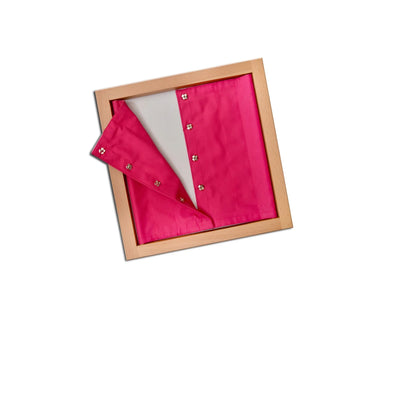
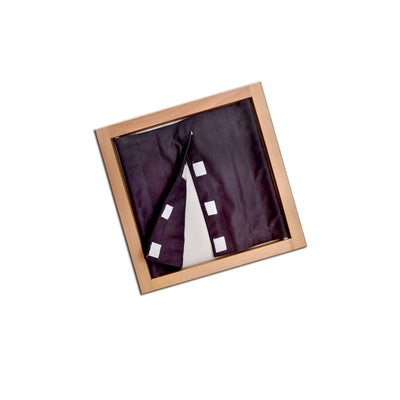
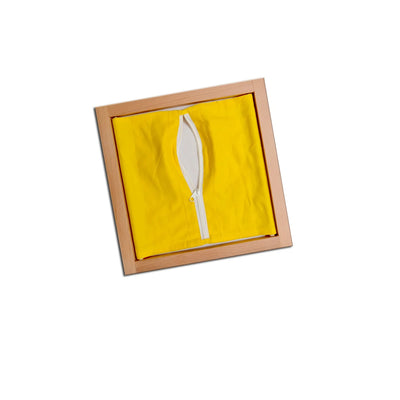
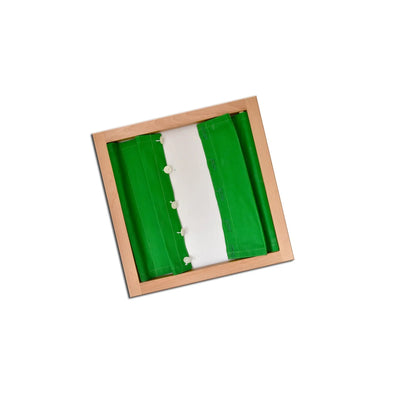
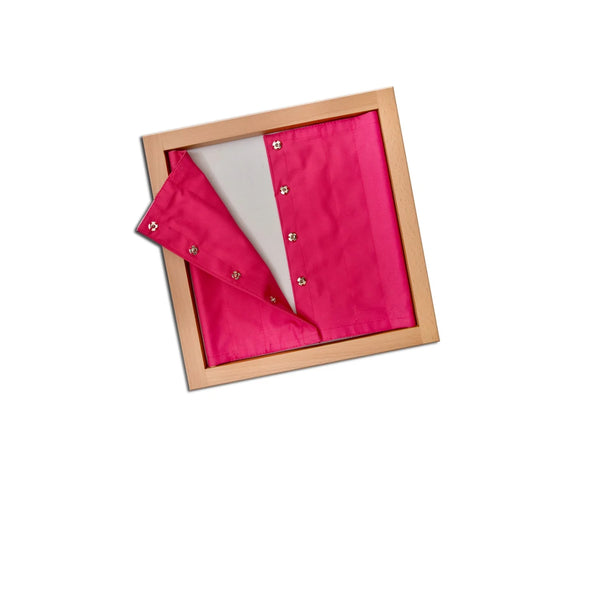
Consider including a few key items that support practical life. A small scrubbing brush and soap for washing vegetables, a simple dressing frame for zipping or buttoning, or a set of tongs for transferring small items like cotton balls or chickpeas are excellent educational toys for toddlers. These specific Montessori learning activities are designed to isolate skills and provide a clear beginning, middle, and end, making them deeply satisfying for a child.
- Pouring Station: Two small, unbreakable pitchers and a tray.
- Sweeping & Dusting: A child-sized broom, dustpan, and a small duster.
- Spooning/Transferring: Small bowls, a spoon, and dry lentils or rice.
- Washing: A small basin, sponge, and a mild, child-safe soap.
- Dressing Frames: A simple buttoning or zipping frame.
Tips for Success: Nurturing Independence and Child Development in India
Creating the station is just the first step. Nurturing your child's independence requires patience, observation, and consistency.
Involving Grandparents and Family
In many Indian homes, grandparents play a crucial role. Encourage them to demonstrate and guide the child through practical life tasks. This not only strengthens bonds but also reinforces the child's understanding of their place within the family unit and their contribution to household harmony. Simple acts like folding clothes together or arranging fruits for the puja can be invaluable.
Safety and Supervision
Always ensure the materials are safe and non-toxic. While the goal is independence, supervision is key, especially with water or small objects. Demonstrate each activity slowly and clearly, allowing your child to observe before they try it themselves.
Observe and Adapt
Every child is unique. Observe what activities your 2-year-old gravitates towards and which ones they master quickly. Adjust the station based on their evolving interests and skills. Perhaps they are ready for a more complex task, or need a simpler version of another. This responsive approach is at the heart of fostering child development in India, ensuring the activities remain engaging and appropriately challenging.
Establishing a practical life station for your 2-year-old is more than just providing toys; it's about inviting them into the purposeful rhythm of home life. It's a wonderful investment in their confidence, coordination, and capacity for joy in everyday accomplishments. Explore a world of thoughtfully designed Montessori materials to support this journey at SkilloToys.com.