Montessori Classrooms: Why No Desks in Rows?
Picture a traditional classroom from your own school days in India – neat rows of desks, children sitting quietly, facing the blackboard. Now, imagine a different scene: a bustling room where children are moving freely, some on mats on the floor, some at low tables, completely absorbed in their chosen activities. This is often the vibrant environment of a Montessori classroom, and if you've ever wondered why there are no desks in rows, you're about to discover the profound reasons behind it.
The absence of fixed, traditional desks in Montessori classrooms is a cornerstone of its philosophy, promoting a child-centred approach to education. At its heart, a Montessori classroom is a "prepared environment" designed to foster independence, freedom of movement, and deep concentration in children from 0 to 6 years. This unique setup empowers children to become active participants in their learning journey, rather than passive recipients of information.
Montessori education is a child-centred approach developed by Dr. Maria Montessori, focusing on the belief that children are naturally eager to learn and thrive in an environment tailored to their developmental needs. This works because it respects the child's innate desire for self-construction and independence, allowing them to choose their activities and learn at their own pace. Parents in India can embrace this philosophy by creating accessible learning spaces at home, much like a scaled-down version of these dynamic classrooms.
Freedom to Explore: More Than Just Movement
Dr. Maria Montessori observed that movement and cognition are intrinsically linked. Young children learn not just with their minds, but with their entire bodies. Restricting movement to a stationary desk can actually hinder concentration and the natural development process. In a Montessori classroom, children are encouraged to move purposefully, whether it's carrying a practical life material like a water pouring pitcher from the shelf to a work mat, or fetching a mathematical bead chain.
This freedom allows children to respond to their inner drive for activity, which is crucial for brain development. It's about respecting their physical energy and channelling it into meaningful learning. Imagine a child in a joint family home in India, learning to help with chores; they aren't confined to a seat but are moving, fetching, and placing items, integrating learning into life.
Fostering Independence from a Young Age
Without assigned desks, children in a Montessori setting learn to make choices. They decide where they want to work—be it on a mat on the floor, at a small table, or even standing. This seemingly simple choice cultivates a strong sense of ownership and responsibility for their learning space and materials. It's a foundational step towards building self-discipline and problem-solving skills, vital aspects of child development in India and globally.
This empowerment, where children are trusted to manage their own learning, stands in stark contrast to conventional systems. It prepares them not just academically, but for life itself, by fostering initiative and self-reliance from a very young age. This freedom of choice, even within boundaries, is key to developing independent thinkers.
The Prepared Environment: Every Child's Learning Haven
The Montessori classroom itself is often called "the prepared environment." It's meticulously organised, with all learning materials placed on low, accessible shelves, inviting children to choose what interests them. This design, devoid of rows of desks, ensures that every corner of the room is a potential learning station, making Montessori method learning materials easily available to all.
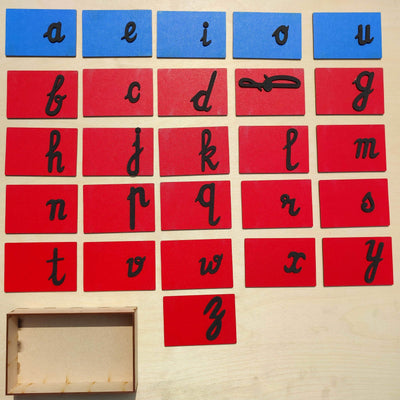
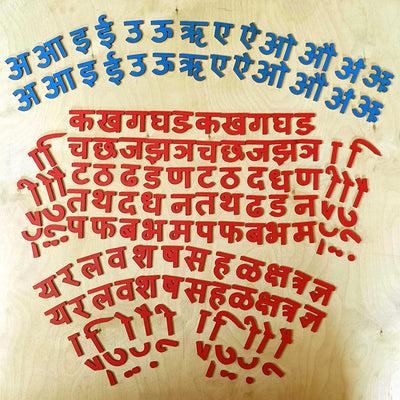
This intentional setup supports children in selecting activities that match their developmental stage and interests. It's an environment where a child can work with the movable alphabet one moment and then transition to the sensorial Pink Tower, all while maintaining their focus and independence. This flexibility is essential for effective Montessori learning activities.
Cultivating Deep Concentration
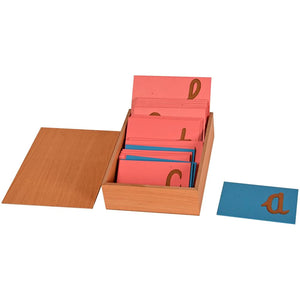
When children can choose their work and their workspace, they are far more likely to engage deeply and sustain concentration. If a child feels comfortable on the floor with a rug and a set of sandpaper letters, they are allowed to do so. This flexibility reduces distractions and allows for long, uninterrupted work cycles, a hallmark of Montessori education.
The ability to concentrate deeply is a critical skill for future learning and success. By removing the constraint of fixed seating, Montessori classrooms allow each child to find their optimal learning posture and environment, leading to profound moments of focus and discovery. This is particularly relevant in busy Indian homes, where creating focused "work zones" can greatly benefit a child.
Building a Community, Not Just a Class
The open-plan nature of a Montessori classroom naturally encourages interaction and collaboration among children of different ages. Without the barrier of fixed desks in rows, children are more inclined to observe each other, offer help, or work together on a large mat. This organic interaction fosters social skills, empathy, and a sense of community.
Older children often become mentors to younger ones, reinforcing their own understanding while building leadership skills. This dynamic mirrors the cooperative spirit often found in Indian joint families, where learning and support flow naturally between generations. It's about learning in a social context, where respect for others' work is paramount.
Understanding "the real reason Montessori classrooms have no desks in rows" reveals a profound commitment to child-led learning and holistic development. For Indian parents exploring Montessori at home India, replicating this freedom of movement and prepared environment, even on a smaller scale, can significantly boost a child's independence and love for learning. SkilloToys.com offers a range of educational toys for toddlers and young children, designed to support these foundational principles right in your living room.