Practical Life for Toddlers: 18 Months to 3 Years
Ah, the toddler years! A whirlwind of energy, curiosity, and that ever-present declaration: “I do it myself!” As parents in India, we often marvel at our little ones’ intense drive to participate in everything around them, from helping with Diwali preparations to sweeping up crumbs after a meal. This innate desire for independence is precisely what the practical life curriculum for 18 month to 3 year olds nurtures and refines in the Montessori method.
It’s about harnessing that incredible “help me to do it myself” spirit and channeling it into meaningful activities that build skills, concentration, and self-confidence. Imagine your little one confidently pouring water from a jug without spilling, or carefully buttoning their kurta – these aren't just cute moments; they are monumental steps in their development.
What is Montessori Practical Life?
Montessori Practical Life is a cornerstone of the method, encompassing activities of daily living that children observe and are eager to imitate. This works because toddlers, especially from 18 months to 3 years, are in a sensitive period for order, movement, and language, absorbing their environment like sponges. Parents can set up a “prepared environment” at home, offering child-sized tools and opportunities for real work that aligns with their natural developmental needs.
These activities are not just chores; they are meticulously designed to develop fine and gross motor skills, coordination, concentration, and independence. In an Indian household, where community and participation are deeply ingrained, practical life activities naturally fit into our daily rhythms, from helping dadi with puja preparations to sorting lentils with mumma.
Fostering Independence, One Step at a Time
Integrating practical life into your home doesn't require a dedicated Montessori room. It's about inviting your child to participate in the everyday fabric of your family life. Whether you live in a sprawling joint family home or a cozy city apartment, there are countless opportunities.
Self-Care Skills: A Journey to Confidence
This category focuses on caring for oneself. Think about the joy your toddler feels when they master a new skill. Activities like washing hands, brushing teeth, dressing themselves, and even combing their hair are foundational. Provide accessible hooks for clothes, a small stool for the washbasin, and demonstrate each step slowly and clearly. Many Indian grandparents instinctively encourage this independence, patiently guiding little hands.
Caring for the Environment: Our Little Helpers
This is where children learn to care for their surroundings. Sweeping up spills, wiping tables, watering plants, dusting – these tasks teach responsibility and respect for their space. Imagine your child carefully polishing a small brass diya or helping fold fresh laundry. SkilloToys.com offers a wonderful range of practical life Montessori materials designed for little hands, making these activities engaging and successful.
Grace and Courtesy: Learning to Belong
Beyond physical skills, practical life also includes lessons in social graces. Learning to greet elders with a namaste, offering to help, saying “please” and “thank you,” waiting their turn, and how to interrupt politely. These are crucial for harmonious living, especially in our close-knit Indian family structures, promoting positive child development in India.
Creating a 'Yes' Environment at Home
The key to successful Montessori at home India is creating an environment where your child can safely explore and contribute. This doesn't mean transforming your entire home, but rather making small, thoughtful adjustments.
Engaging Activities for 18 Months to 3 Years
Toddlers thrive on purposeful work. Here are some engaging Montessori learning activities that you can introduce:
- Pouring Activities: From dry rice to water, pouring between small pitchers develops concentration and fine motor control. You can use small steel tumblers or local earthenware pots.
- Transferring with Scoops/Tongs: Moving beans, pom-poms, or small colourful beads from one bowl to another using a spoon or tongs is an excellent precursor to writing.
- Folding: Start with small napkins or handkerchiefs. During festivals like Pongal or Onam, involve them in folding new clothes.
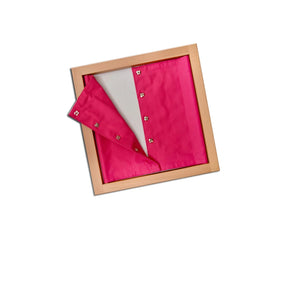
- Buttoning/Zipping: Provide a “dressing frame” or simply a shirt with large buttons. This builds intricate finger strength.
- Table Setting: For family meals, invite them to place napkins or steel plates.
- Cleaning & Wiping: A small spray bottle with water and a cloth can provide endless fascination for wiping surfaces.
- Imbucare Box Activities: While technically a sensorial material, the repetition and focus on placing objects into specific holes, much like our Imbucare Box collection, shares the goal of developing concentration and fine motor skills vital for practical life.
Remember, the goal isn't perfection, but participation and the joy of accomplishment. These educational toys for toddlers don't have to be expensive; often, everyday household items can be repurposed beautifully. For a wider selection of high-quality, age-appropriate resources, explore the entire range of Montessori method learning materials at SkilloToys.com.
The Parent's Role: Observation and Patience
Maria Montessori emphasized the role of the adult as an “assistant to life.” For practical life activities, this means:
- Demonstrate Slowly: Break down each step. Use minimal words, letting your actions speak.
- Allow Repetition: Children learn through repetition. Let them repeat an activity as many times as they wish.
- Observe: Watch your child. Are they engaged? Frustrated? Their actions will tell you what they need next.
- Step Back: Once demonstrated, allow them to work independently. Resist the urge to interrupt or “correct” every tiny mistake.
- Offer Encouragement: Praise their effort, not just the outcome. “You worked so carefully!” is more impactful than “Perfect!”
Key Takeaways
- The practical life curriculum for 18 month to 3 year olds empowers toddlers by fulfilling their innate drive for independence.
- Montessori practical life activities develop essential fine and gross motor skills, concentration, and coordination.
- These activities are easily integrated into Indian homes, aligning with our cultural values of community and participation.
- Focus on self-care, caring for the environment, and grace and courtesy to foster holistic child development.
- Creating a “prepared environment” with accessible, child-sized tools and real-life tasks is crucial.
- Parents act as guides, demonstrating patiently, allowing repetition, and observing their child's independent work.
FAQ
What are practical life activities for an 18-month-old?
For an 18-month-old, practical life activities focus on very simple, single-step tasks that develop gross and fine motor skills. Examples include putting objects into a basket, wiping up small spills, carrying a light object, or helping put away toys. They thrive on repetition and short periods of concentration.
How can I introduce practical life activities in a small Indian apartment?
In a small apartment, focus on vertical storage, multi-functional furniture, and integrating activities into daily routines. Use accessible shelves, small rugs to define a “work space,” and involve your child in tasks like folding small clothes, watering a balcony plant, or helping set a compact dining table. Everyday items like small bowls, spoons, and cloths work perfectly.
Are Montessori practical life materials necessary, or can I use everyday items?
While specific Montessori practical life materials from SkilloToys.com are designed for optimal learning and durability, it is absolutely possible and encouraged to use everyday household items. Small pitchers, spoons, cloths, baskets, and even safe kitchen tools can be excellent practical life “materials.” The key is that they are real, functional, and child-sized.
What are the benefits of practical life activities for toddlers?
Practical life activities offer numerous benefits for toddlers, including developing fine and gross motor coordination, fostering concentration and attention span, building a sense of order, and cultivating independence and self-confidence. They also teach responsibility and a sense of contribution to the family and community, which is vital for holistic child development in India.
Embracing the practical life curriculum for 18 month to 3 year olds is one of the most rewarding ways to support your child’s natural development. By inviting them into the purposeful rhythm of your home life, you’re not just teaching skills; you’re nurturing a capable, confident, and contributing member of your family. Explore SkilloToys.com for high-quality Montessori materials that complement your home environment and support this beautiful journey of independence.