Raise Independent Children from Age 1 with Montessori
As Indian parents, we often dream of raising children who are confident, capable, and can navigate the world with self-assurance. But how do we nurture that spirit of independence right from their earliest years, perhaps even as they turn one? The Montessori philosophy offers a beautiful, practical pathway to empower your little one. Learning how to raise an independent child from age 1 using Montessori principles isn't just about discipline; it's about respectful guidance and creating an environment where their natural curiosity thrives.
Montessori independence is not about a child doing everything alone prematurely. Instead, it is the ability to do for oneself what is developmentally appropriate, thereby building self-esteem and internal motivation. This works because children are inherently driven to explore and master their environment. Parents can facilitate this by providing opportunities for meaningful engagement and stepping back to observe their child's incredible capacity to learn.
Setting Up a Prepared Home Environment in India
Dr. Maria Montessori believed that the child absorbs their environment. For an independent child, a "prepared environment" is key. In our Indian homes, whether it's a cozy apartment in Bengaluru or a multi-generational home, this means making certain spaces accessible and child-friendly.
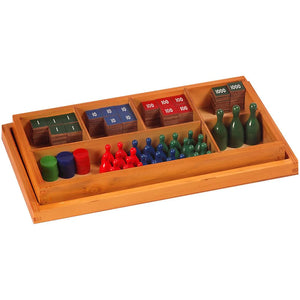
Think low shelves for toys, a small stool in the bathroom, or a designated area in the kitchen where they can reach their own sippy cup. This doesn't require a complete home overhaul; even small changes like adding child-sized hooks for their bag or clothes near the entrance can make a big difference. These thoughtful adjustments are crucial for Montessori learning materials to be effective and accessible to tiny hands.
Practical Life Activities: Everyday Learning for Little Ones
One of the most powerful ways to foster independence is through Practical Life activities. These are the simple, everyday tasks that adults perform. For a toddler aged one and above, this could mean helping wipe up a spill with a small cloth, putting their own plate in the sink after eating dal chawal, or even helping sort laundry by colour (think sarees and kurtas!).
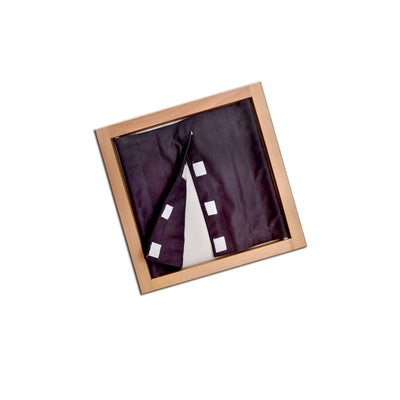
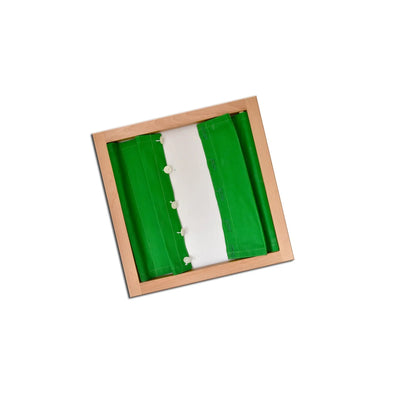
These activities are not just chores; they are foundational to practical life Montessori materials, building concentration, coordination, and a sense of contribution. In an Indian household, imagine your child helping water the tulsi plant, dusting a low shelf, or even carefully transferring grains from one bowl to another as you prepare for an upcoming festival. These experiences are invaluable for their all-round child development in India.
Empowering Choices and Respectful Guidance
From a young age, children thrive when given appropriate choices. Instead of "Wear this!", try "Would you like to wear the blue kurta or the yellow one?" or "Do you want to eat with a spoon or your hands today?" Offering two clear, acceptable options empowers them to make decisions, strengthening their sense of autonomy.
Respecting their process is equally important. If your little one is struggling to put on their slippers, resist the urge to immediately jump in and do it for them. Instead, observe, offer a gentle verbal cue, and only provide help when they truly need it or ask for it. This allows them to build problem-solving skills and resilience.
Thoughtful Toys for Tiny Hands: Supporting Montessori Learning Activities
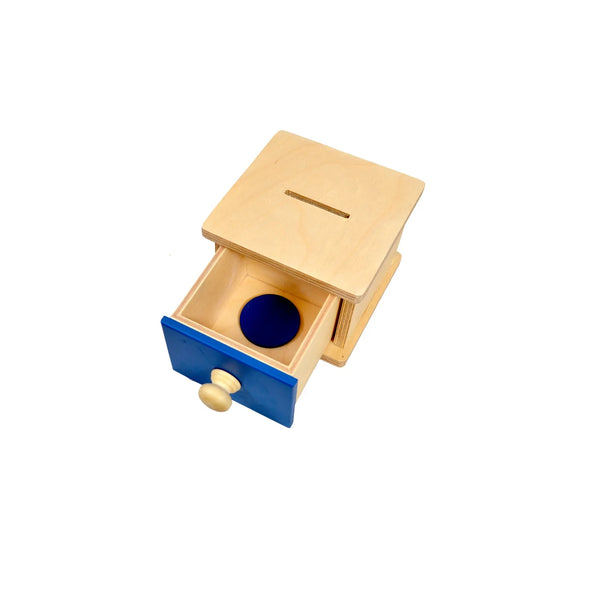
The toys we choose play a significant role in fostering independence. Instead of overstimulating electronic gadgets, Montessori advocates for toys that are simple, made from natural materials, and invite focused engagement. For children from age one, this includes things like stacking rings, simple shape sorters, or threading activities.
These educational toys for toddlers are designed to isolate a skill, allowing the child to concentrate and master it at their own pace. They support Montessori learning activities that build fine motor skills, hand-eye coordination, and cognitive development. Imagine your child absorbed in a wooden puzzle, meticulously placing each piece – this is self-directed learning in action.
The Role of Family in Fostering Independence
In many Indian families, grandparents play a loving, central role. While their instinct might be to care for and "do" for the child, open conversations about the benefits of fostering independence can help. Explaining that allowing the child to dress themselves or pour their own water builds confidence, rather than being a burden, can encourage their support.
Celebrate small victories together, whether it's your child putting away their books or helping serve themselves a small portion of fruit. This collective encouragement from the family unit reinforces the child's efforts and their growing sense of capability.
Raising an independent child from age 1 using Montessori principles is a journey of patience, observation, and immense reward. By preparing the environment, embracing practical life, offering choices, and providing thoughtful learning tools, you're not just raising a child; you're nurturing a confident, self-reliant individual. Explore a curated collection of materials to support your child's journey at SkilloToys.com, India's leading Montessori educational toys store.