Why Montessori Classrooms Have No Desks in Rows
Walk into a traditional classroom, and you’ll likely see neat rows of desks, facing a teacher at the front. But step into a Montessori environment, and you’ll notice something entirely different: an open, inviting space with children moving freely, often working on mats or at small tables. The absence of traditional desks in rows in Montessori classrooms isn't an oversight; it's a cornerstone of the Montessori philosophy, deeply rooted in fostering a child's natural development and independence. This design choice speaks volumes about how Dr. Maria Montessori envisioned learning, prioritising active engagement over passive reception.
At its heart, the Montessori classroom is a “prepared environment” designed to meet the developmental needs of the child. This environment is structured yet flexible, allowing children to move, explore, and choose their own work. It stands in stark contrast to the conventional model where children are expected to sit still for long periods, often limiting their natural desire to interact with their surroundings. For Indian parents exploring Montessori at home India, understanding this core principle is key to replicating its benefits.
Freedom of Movement: The Heart of Montessori
The freedom of movement in a Montessori classroom is fundamental to a child's learning. This allows children to choose activities, move between them, and even work on the floor if it suits their concentration. This works because movement is intrinsically linked to cognitive development; children learn through doing, touching, and exploring. Parents can observe this principle by creating a safe, accessible space at home where their child can freely access Montessori learning materials and move without constant restriction.
Think about our own Indian homes – often bustling with activity, shared spaces, and multi-generational interactions. Even in a small apartment, the idea of a child being able to move from a sensory activity near the window to a practical life task on a mat in the living room mirrors this Montessori value. It acknowledges that learning isn't confined to a single spot but happens dynamically throughout a child's environment.
From Rows to Roving: What It Means for Learning
In a traditional classroom with desks in rows, the teacher is often the central figure, disseminating information to a largely passive audience. The focus is on group instruction and conformity. Conversely, the Montessori classroom is child-centric, with the educator acting as a guide (or 'directress') who observes and supports individual learning journeys. Children are encouraged to pursue their interests at their own pace, leading to deeper engagement and mastery.
Without desks tethering them, children are free to interact with their environment and peers in more natural ways. They can collaborate on projects, observe others, or retreat to a quiet corner for focused work. This fosters crucial social skills, independence, and self-discipline – qualities that are highly valued in both Indian culture and modern educational philosophies. It’s about building an inner discipline, not an imposed one.
The Prepared Environment: Beyond Just Furniture
The absence of desks in rows isn't merely about removing furniture; it's about creating a 'prepared environment' where every element serves a developmental purpose. Furniture is child-sized, materials are arranged logically on open shelves, and everything has a specific place. This order helps children develop a sense of responsibility, focus, and an understanding of cause and effect.
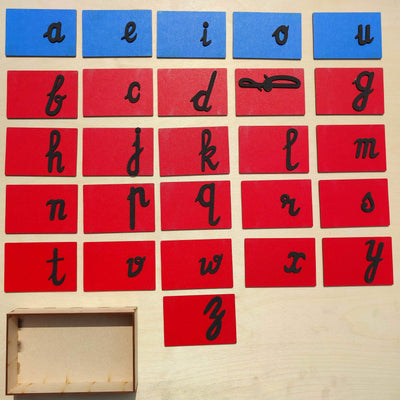
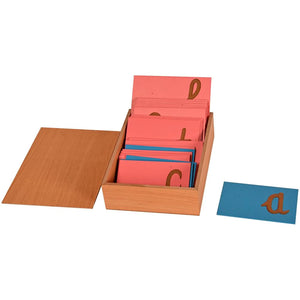
Consider how this translates to Montessori learning activities at home. Instead of a cluttered play area, imagine a designated shelf with age-appropriate Practical Life materials like a small pouring set, or sensory activities such as a simple sorting tray with beads or local spices. Such an environment empowers children to engage meaningfully, just as they would with a Pink Tower or Sandpaper Letters in a classroom.
Fostering Independence and Concentration
When children are free to choose their work and move about, they develop a profound sense of independence and self-reliance. They learn to follow their innate curiosity, select tasks that resonate with them, and complete them with sustained concentration. This self-directed learning is crucial for developing executive functions and problem-solving skills – essential for a child's success as they grow.
This approach aligns beautifully with the Indian emphasis on practical wisdom and learning by doing, often seen in grandparents teaching grandchildren traditional skills or cooking. By providing opportunities for choice and movement, we are nurturing not just academic skills, but also life skills and a love for lifelong learning. It’s about building a robust foundation for holistic child development India.
Choosing Educational Toys for Toddlers with Montessori Principles in Mind
When selecting educational toys for toddlers, think beyond flashy gadgets and focus on materials that encourage purposeful activity, exploration, and independence. Look for toys that isolate one skill, are made from natural materials, and are self-correcting. For example, a shape sorter encourages fine motor skills and problem-solving without needing adult intervention for feedback.
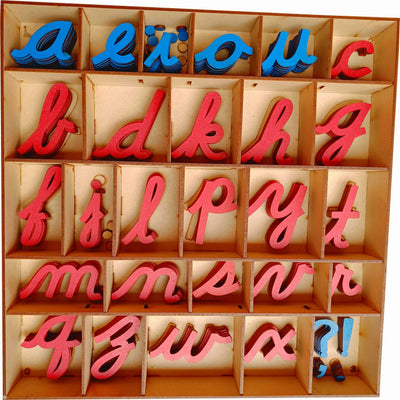
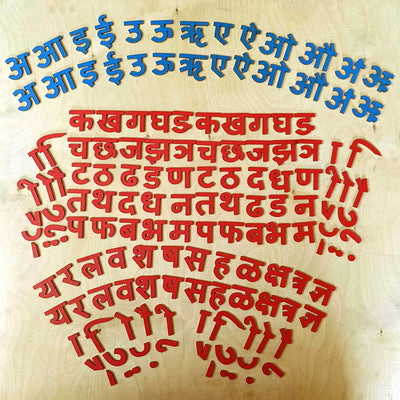
At home, this means offering open-ended materials that children can manipulate and explore, rather than toys that do all the work for them. Think simple wooden blocks, stacking rings, or even a basket of natural objects like pebbles, leaves, or festive decorations. These allow children to discover concepts at their own pace, much like they would with a Movable Alphabet or other foundational Montessori materials.
Key Takeaways
- Montessori classrooms eliminate desks in rows to support a child's natural need for movement and exploration.
- The prepared environment fosters self-directed learning, allowing children to choose activities and work at their own pace.
- Freedom of movement is crucial for cognitive development and building concentration and independence.
- Montessori encourages children to learn through hands-on interaction with purposefully designed materials.
- Applying Montessori principles at home involves creating an accessible, ordered space that empowers children's choices.
- This approach cultivates inner discipline, problem-solving, and a lifelong love for learning, resonating with Indian cultural values.
Frequently Asked Questions
Why are traditional classrooms set up with desks in rows?
Traditional classrooms often use desks in rows to facilitate whole-group instruction, maintain order, and allow the teacher to easily monitor students. This setup is rooted in an industrial-era model focused on efficient dissemination of information to large groups.
How does a child choose what to learn in a Montessori classroom?
In a Montessori classroom, children are guided by their intrinsic interests and readiness. After an initial presentation by the directress, they are free to choose from the available, age-appropriate materials on the shelves, repeating activities until mastery is achieved.
Can I create a Montessori-inspired space in a small Indian home?
Absolutely! Montessori principles focus on intention, not size. You can create a 'yes' space with low, accessible shelves, child-sized furniture, and a few carefully chosen materials rotated regularly. Focus on order, freedom of movement, and independence in designated areas.
What are some key Montessori learning activities?
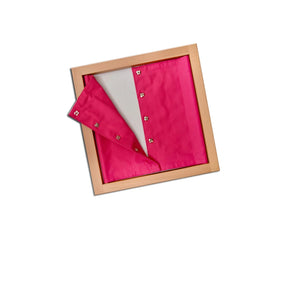
Key Montessori learning activities span practical life (e.g., pouring, buttoning), sensorial (e.g., Pink Tower, Geometric Solids), language (e.g., Sandpaper Letters, Movable Alphabet), and mathematics (e.g., Number Rods). These activities are hands-on, self-correcting, and designed for individual exploration.
Understanding the 'why' behind the unique Montessori classroom layout opens up a world of possibilities for fostering your child's natural potential. At SkilloToys.com, we believe in empowering parents with the knowledge and tools to create enriching learning environments, right here in India. Explore our curated range of educational toys and materials designed to inspire curious minds.