Why Wooden Toys Outperform Plastic for Child Development
As parents in India, we're constantly making choices for our little ones – from the first solid foods to the clothes they wear. But what about their toys? In many Indian homes, a mix of vibrant plastic and timeless wooden playthings often coexists. Yet, when we look at the science of why wooden toys beat plastic for child development, a clearer picture emerges, especially for those embracing the Montessori philosophy.
What exactly is Montessori, and how does it relate to toy choices? The Montessori method, founded by Dr. Maria Montessori, is an educational approach that respects the child as an individual, fostering their natural curiosity and innate desire to learn. It’s about creating an environment that supports self-directed activity, hands-on learning, and collaborative play. This works because it aligns with a child's natural developmental stages. Parents can integrate Montessori principles at home by selecting purposeful materials that encourage concentration, independence, and a deep understanding of concepts.
Sensory Richness: A Feast for Little Hands and Minds
Imagine your child grasping a smooth, cool wooden block versus a lightweight, uniform plastic one. The difference is profound. Wooden toys, by their very nature, offer a wealth of sensory input that plastic often cannot replicate. They have varied textures – some smooth, some slightly grainy; they possess natural scents; and they change temperature, feeling warm to the touch after being held, or cool from the shelf. This rich sensory experience is crucial for brain development.
When children explore wooden materials, their brains process a diverse range of tactile information, strengthening neural pathways and refining their sense of touch, weight, and even sound (think of the satisfying clack of wooden blocks). This engagement helps children understand the world around them in a much more concrete and multi-dimensional way. It’s a sensory feast that plastic, with its often uniform texture and lack of natural variation, simply can’t match. Explore our collection of wooden toys designed for rich sensory exploration.
Durability & Sustainability: Toys That Last Generations
In Indian joint families, toys often get passed down from elder siblings to younger cousins. This tradition speaks to a natural desire for durability and sustainability. Wooden toys embody this perfectly. Crafted from sturdy, natural materials, they are built to withstand years of enthusiastic play, often outlasting their plastic counterparts which can crack, break, or lose parts.
Beyond longevity, wooden toys are a more environmentally conscious choice. Made from renewable resources and often finished with non-toxic paints and oils, they contribute less to landfill waste. This aligns beautifully with the growing awareness of sustainable living, teaching our children, through example, to value materials and care for the planet – a lesson more important than ever for future generations.
Nurturing Imagination and Creativity
Walk into any Montessori classroom or a well-equipped home, and you'll notice a distinct absence of blinking lights and pre-programmed sounds. This is intentional. Wooden toys, with their simple designs and open-ended nature, are powerful catalysts for imagination. A wooden block can be a car, a phone, a piece of a castle, or an ingredient in a pretend meal. The child dictates the play, not the toy.
Plastic toys, often highly specific and feature-laden, can limit creative play by dictating how they should be used. When a toy does all the 'work' – making sounds, moving on its own – the child's mind is less engaged in creating scenarios and problem-solving. Simple wooden toys encourage children to invent narratives, develop problem-solving skills, and engage in deeper, more meaningful imaginative play, which is fundamental for healthy cognitive and social development.
Safety & Health: A Natural Choice for Little Explorers
Parents in India are increasingly vigilant about what comes into contact with their children, especially when it comes to mouthing and exploring. Many plastic toys, particularly older ones or those from unregulated sources, can contain harmful chemicals like phthalates, BPA, and lead, which have been linked to various health concerns.
High-quality wooden toys, on the other hand, are typically made from natural wood and finished with non-toxic, child-safe paints and sealants. This makes them a safer choice for toddlers and infants who are prone to putting everything in their mouths. Knowing that the materials your child is interacting with are natural and free from harmful toxins provides invaluable peace of mind, allowing children to explore freely and safely in their home environment.
Fostering Fine Motor Skills and Concentration
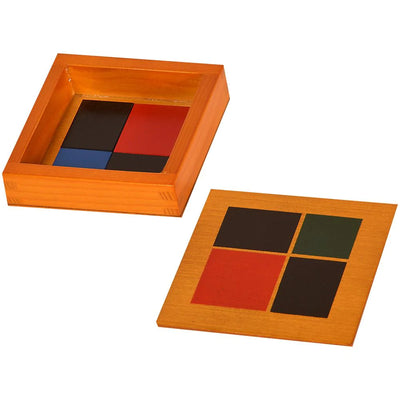
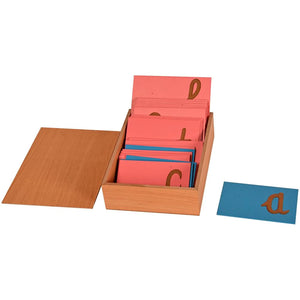
The inherent weight and natural resistance of wooden toys make them excellent tools for developing fine motor skills and hand-eye coordination. Picking up, stacking, and manipulating wooden blocks or puzzles requires precision and strength that lighter plastic alternatives might not demand. For instance, classic Montessori materials like the Pink Tower or Cylinder Blocks, crafted from wood, challenge children to develop control and dexterity as they work towards a goal.
This engagement isn't just physical; it also cultivates concentration and problem-solving abilities. When a child carefully places a wooden block, they are actively engaged in spatial reasoning and balance. These are vital early childhood skills that contribute to success in more complex academic tasks later on. Encouraging these Montessori learning activities with wooden materials lays a strong foundation for future learning.
Montessori at Home India: Embracing Wooden Wonders
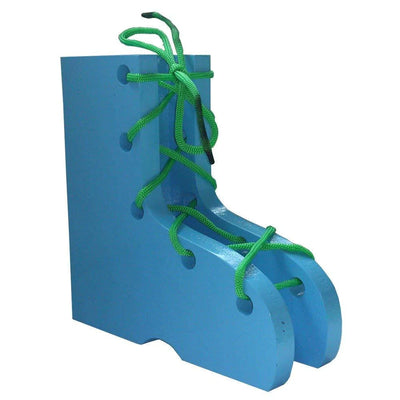
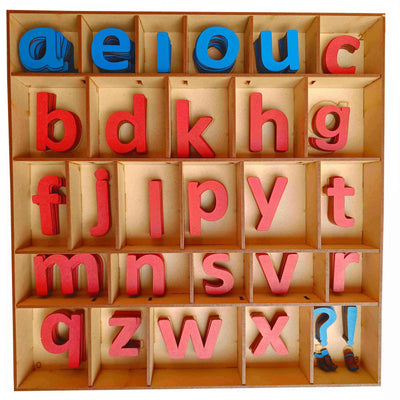
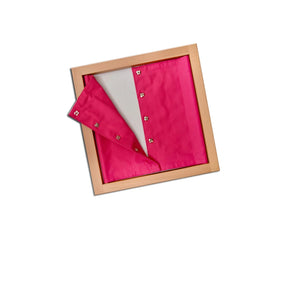
Integrating Montessori at home in India doesn't require an overhaul of your living space, but thoughtful choices, especially with educational toys for toddlers. Opting for quality wooden toys aligns perfectly with Montessori principles of beauty, simplicity, and purpose. Whether it's a simple set of wooden building blocks for an apartment playroom or a Montessori wooden puzzle for a joint family's shared space, these materials invite focused engagement and foster genuine child development in India.
From promoting sensory exploration to supporting imaginative play and fine motor skills, the scientific benefits of choosing wood over plastic are clear. It's an investment not just in a toy, but in your child's holistic growth and a more sustainable future.
Key Takeaways
- Rich Sensory Input: Wooden toys offer diverse textures, temperatures, and weights, stimulating more neural connections than uniform plastic.
- Durability & Sustainability: Made from natural, renewable resources, wooden toys are long-lasting and eco-friendly, promoting responsible consumption.
- Enhanced Imagination: Simple, open-ended wooden toys encourage creative play and problem-solving, unlike highly specific plastic alternatives.
- Health & Safety: High-quality wooden toys are generally free from harmful chemicals often found in some plastic toys, ensuring safer exploration.
- Fine Motor Development: The weight and resistance of wood help children refine hand-eye coordination and strengthen fine motor skills.
- Montessori Alignment: Wooden toys naturally support Montessori principles by encouraging concentration, independence, and hands-on learning.
Frequently Asked Questions About Wooden Toys
Why are wooden toys considered ideal for Montessori learning?
Wooden toys are considered ideal in Montessori because their natural feel, simple design, and durability align perfectly with the philosophy's emphasis on sensory exploration, open-ended play, and respect for the child's natural development. They allow children to engage with materials in a concrete and purposeful way.
Are wooden toys truly safe for babies who mouth everything?
Yes, high-quality wooden toys are generally very safe for babies. Reputable manufacturers use non-toxic, child-safe paints and finishes, and ensure that pieces are too large to be choking hazards. Always check for certifications and ensure the wood is smooth and splinter-free.
How do I choose good quality wooden toys in India?
When choosing wooden toys in India, look for brands that specify non-toxic paints and natural wood. Check for smooth finishes, sturdy construction, and appropriate age recommendations. Prioritise toys that are simple, open-ended, and encourage active participation from the child rather than passive observation.
Can plastic toys ever offer developmental benefits?
While wooden toys often offer superior developmental benefits, not all plastic toys are without merit. Some plastic toys, especially well-designed puzzles or construction sets, can aid in cognitive development and fine motor skills. The key is to choose wisely, focusing on quality, safety, and open-ended play rather than over-stimulating or purely passive entertainment.
At SkilloToys.com, we are dedicated to providing Indian families with thoughtfully curated educational toys that support holistic child development, reflecting the beauty and efficacy of the Montessori method.