Wooden Toys vs Plastic: Why Wood Wins for Child Development
Growing up in India, many of us fondly remember simple, sturdy wooden toys. Today, plastic often dominates, leading parents to wonder if traditional choices still hold their magic. As you explore Montessori at home, you're likely asking: why do experts recommend wooden toys for child development over plastic? The answer lies in science, sensory engagement, and holistic growth, aligning perfectly with how children truly learn.
The Montessori preference for wooden toys stems from providing natural, open-ended materials that engage senses and intellect. Dr. Maria Montessori advocated for learning through direct experience with real objects. Wooden toys, being tactile and less prescriptive, encourage independent thought, imagination, and problem-solving, supporting a child's natural curiosity.
The Sensory Symphony of Wood
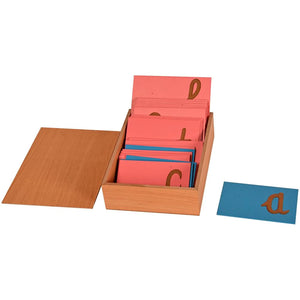
Plastic toys can overwhelm. Wooden toys, however, offer a rich, multi-sensory experience. A child feels its unique grain, natural weight, and subtle scent. This works because natural materials stimulate senses authentically, supporting tactile discrimination and sensory integration. Parents can introduce varied wooden toys with different finishes, like contrasting textures in an Indian home, enriching exploration.
Fostering Open-Ended Play and Imagination
Many plastic toys dictate play with specific functions. Wooden toys are open-ended; a simple block set can become a Diwali temple, a bustling market, or a cozy home. This works because open-ended toys encourage children to use their imagination, creativity, and problem-solving skills. For Montessori learning activities, versatile wooden toys support crucial cognitive faculties, allowing children to direct their own play.
Durability and Sustainability: A Legacy for Generations
In Indian households, toys often become cherished heirlooms. Wooden toys, known for incredible durability, fit this tradition. Unlike plastic, quality wooden toys last for years, sometimes decades. This works because their robust construction withstands rigorous play, making them a sustainable choice that reduces waste. Durable wooden materials are eco-friendly and economically sensible, reflecting Indian values of preserving resources.
Safety and Non-Toxicity: Peace of Mind for Parents
Parents worry about toy materials. Many plastic toys contain harmful chemicals like BPA. High-quality wooden educational toys for toddlers are crafted from sustainably sourced wood and finished with non-toxic, child-safe paints. This works because natural wood is inherently safe, eliminating chemical concerns. This ensures a healthier play environment, offering invaluable peace of mind for Indian parents.
Developing Practical Life Skills and Concentration
Montessori emphasizes practical life skills and concentration. Wooden toys, with their tactile nature and simpler design, support these goals. Activities like stacking rings or fitting wooden puzzles refine fine motor skills, hand-eye coordination, and focus. This works because tangible feedback from wood aids learning and encourages repetition. These activities prepare children for real-world tasks, fostering independence, much like small chores in an Indian home.
Connecting with Montessori Principles
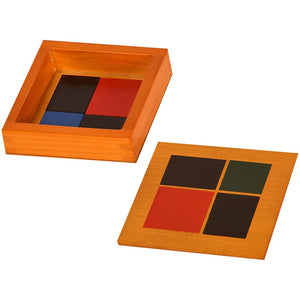
Dr. Maria Montessori advocated for "beautiful and real" materials, which wood perfectly fits. Classic Montessori learning materials, such as the Pink Tower and Brown Stair, are traditionally wooden. These materials are self-correcting, isolating concepts for learning through discovery. This works because wood's properties lend themselves to precision and durability, making these educational tools effective for hands-on learning. Integrating Montessori learning materials enriches "Montessori at home India".
Key Takeaways
- Sensory Richness: Authentic multi-sensory engagement for tactile development.
- Imagination Boost: Open-ended design fosters creativity and problem-solving.
- Durability & Sustainability: Long-lasting, eco-friendly, supporting generational play.
- Child Safety: Non-toxic materials, free from harmful plastic chemicals.
- Skill Development: Enhances fine motor skills, coordination, and concentration.
- Montessori Alignment: Fundamental to classic Montessori for hands-on learning.
Frequently Asked Questions About Wooden Toys
Are wooden toys really safer than plastic toys for babies?
Yes, quality wooden toys are generally safer. Made from natural wood with non-toxic finishes, they reduce exposure to harmful chemicals, offering peace of mind for parents of exploring babies.
How do wooden toys contribute to a child's cognitive development?
Wooden toys foster cognitive development by encouraging imagination, problem-solving, and creativity. This self-directed play strengthens critical thinking and improves focus, vital for holistic child development.
What are some examples of Montessori wooden toys for toddlers?
Examples include wooden stacking rings, sorting boxes, block sets, and simple wooden puzzles. These help toddlers explore concepts like size and shape, while developing fine motor skills.
Are wooden toys difficult to maintain in a humid climate like India?
Well-sealed wooden toys are durable. Wipe them clean with a damp cloth and mild soap, then air dry completely. Avoid prolonged exposure to sunlight or moisture to ensure longevity.
Embracing the timeless appeal and scientific benefits of wooden toys enriches your child's developmental journey. At SkilloToys.com, we offer a curated selection of the finest Montessori educational toys, crafted from natural, child-safe materials to support holistic learning and joyous discovery for Indian families.