Educational Toys: Made-in-India Boosts Motor Skills
Made-in-India educational toys effectively boost children's motor skills by providing culturally relevant, tactile experiences designed for hands-on learning, aligning perfectly with Montessori principles. These locally crafted materials foster both fine and gross motor development through engaging activities that resonate with Indian children's developmental stages, promoting concentration and physical coordination crucial for future learning. Child development experts consistently highlight the critical role of early motor skill development as a predictor of academic success and overall well-being.
As parents across Bengaluru and beyond seek ways to empower their children, the spotlight on indigenous toys has never been brighter. The recent launch of Made-in-India vehicle ranges, like Funskool's 'Blazetrix', isn't just news; it's a testament to our nation's growing capacity to create high-quality, developmentally appropriate playthings. This shift offers a unique advantage for nurturing your child's physical growth, providing tools that are often more aligned with our cultural nuances and play traditions.
What are Motor Skills and Why Do They Matter?
Motor skills refer to the coordinated movements of our muscles and limbs. They are broadly categorized into fine motor skills (small muscle movements like grasping, writing) and gross motor skills (large muscle movements like running, jumping). This matters profoundly because strong motor skills are foundational for everything from self-care tasks and play to school readiness and cognitive development. Indian parents can proactively support this development by integrating purposeful, engaging toys into their child's daily routine.
Research indicates a strong correlation between early motor skill proficiency and later academic achievement, including improved reading, writing, and mathematical abilities. For a child like Aarav, a 4-year-old in a bustling Bengaluru apartment, developing the dexterity to hold a pencil properly now directly impacts his ability to learn writing letters later, easing the transition into formal schooling.
Made-in-India Educational Toys: A Foundation for Fine Motor Skills
Fine motor skills are about precision, control, and coordination of the small muscles in the hands and fingers. Think of your child learning to hold a spoon, stack blocks, or thread beads. This intricate work builds the neural pathways essential for handwriting, drawing, and even using a keyboard later in life. Made-in-India toys excel in this area by often featuring natural materials like wood, fabric, and clay, which offer varied textures and weights that plastic alternatives often lack.
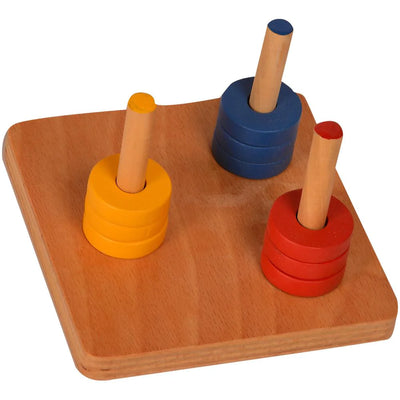
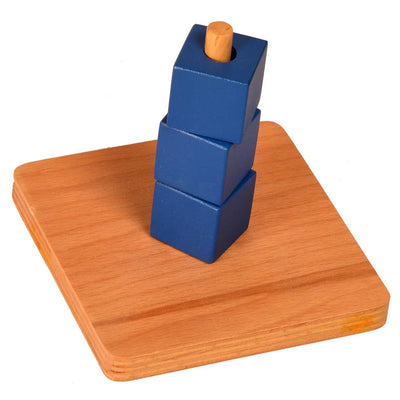
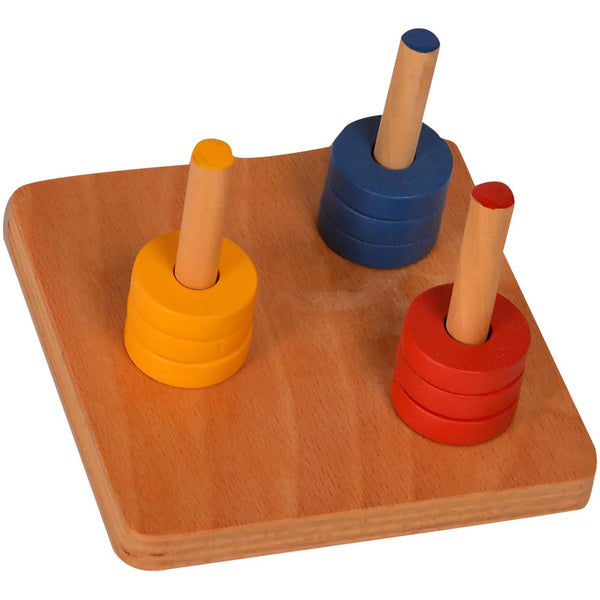
Montessori education, founded by Maria Montessori, places immense value on the 'education of the hand', believing that purposeful hand activities lead to intellectual development. Many Montessori toys India offers, particularly those crafted locally, mirror this philosophy. Consider a set of wooden fine motor skill toys, such as a traditional Lattu (spinning top) or a wooden lacing board, which demand precise finger movements and hand-eye coordination. These aren't just toys; they are tools for building crucial skills.
Beyond the obvious benefits, Made-in-India educational toys often carry an inherent cultural design that subtly enhances motor skill development. Consider the intricate patterns on a traditional wooden lacware toy from Channapatna, or the specific dimensions of a clay pot a child might try to fill and empty – these aren't random. They reflect traditional activities and aesthetics that challenge a child's dexterity and problem-solving in a uniquely Indian context, far more deeply than generic, mass-produced items. This rich, sensory experience, rooted in familiar cultural objects, fuels engagement and learning in ways global products simply cannot replicate.
Gross Motor Development: The Power of Movement with Indian Educational Toys
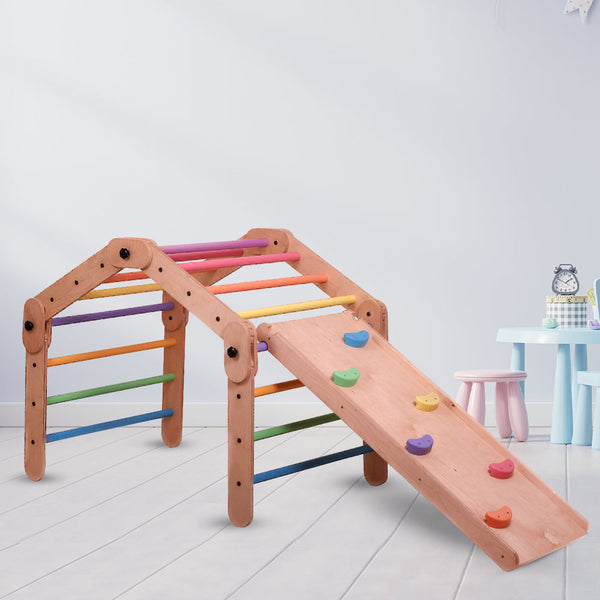
While fine motor skills refine small movements, gross motor skills are about strength, balance, and coordination of the whole body. Running, jumping, climbing, and throwing are all vital expressions of gross motor development. These activities build physical confidence, spatial awareness, and the ability to navigate the world around them – skills as crucial for playing cricket with friends as for sitting still and focusing in a classroom.
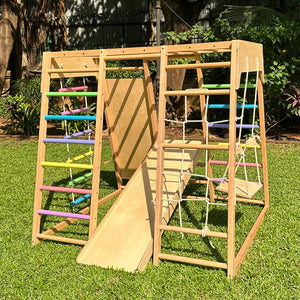
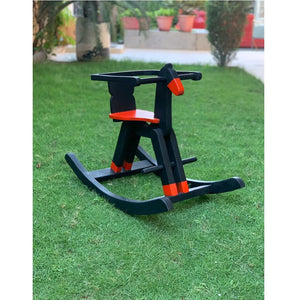
Indian educational toys designed for gross motor development often encourage active play within diverse environments, from a small urban balcony to a spacious ancestral home. Push-and-pull gross motor skill toys, like wooden wagons or the popular vehicle toys, encourage children to move, stride, and coordinate their bodies. These toys, often sturdy and simple, allow a child's imagination to lead the play, rather than prescribing it.
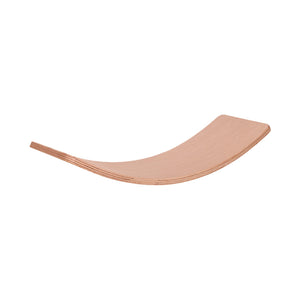
The recent news about a major Indian toy company launching a 'Made-in-India' range provides a timely reminder of the availability of quality locally manufactured toys. These items are often designed with an understanding of typical Indian home environments, promoting active play that doesn't necessarily require large outdoor spaces. Think of a child learning to balance on a wooden wobble board or pushing a toy train along an imaginary track – these activities foster core strength and coordination in engaging ways.
Integrating Made-in-India Toys into Your Child's Montessori Journey
For parents embracing the Montessori philosophy in India, choosing Made-in-India toys offers a seamless fit. Montessori's emphasis on natural materials, self-correction, and hands-on exploration finds a natural partner in locally crafted items. When little Meera, aged 2, in a joint family in Pune, plays with a simple wooden shape sorter, she is not just learning shapes; she is refining her grip, understanding spatial relationships, and building concentration – all foundational skills for later academics.
The NCERT's 2019 National Curriculum Framework for Foundational Stage recognizes the importance of play-based learning for school readiness, aiming for a 'Viksit Bharat 2047'. Strong motor skills are a cornerstone of this vision, enabling children to participate fully in learning environments. By choosing motor skill development toys that are Made-in-India, you are not only supporting local artisans but also investing in your child's holistic development, paving the way for easier learning and greater confidence in school.
Practical Steps for Parents Today
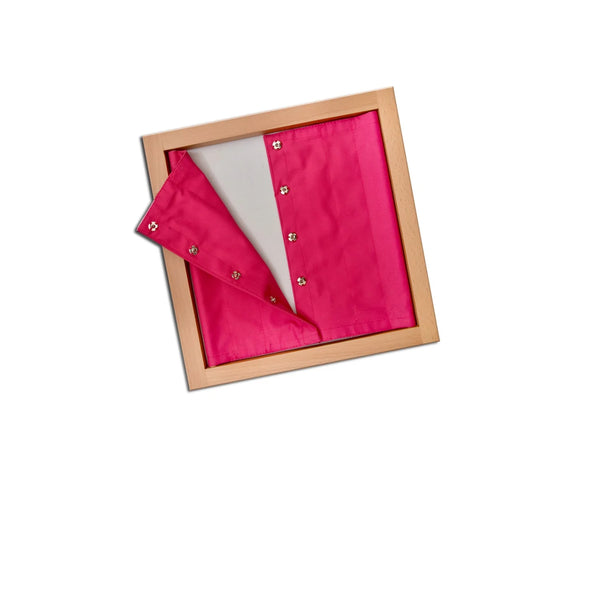
You don't need a huge budget or a dedicated play area to boost motor skills. Start by observing your child: what movements are they attempting? What frustrates them? Then, choose age-appropriate Made-in-India educational toys that encourage those movements. If your 3-year-old is struggling with zipping, a lacing toy can build the necessary finger strength. If they are constantly running and bumping, a push-cart or a large block set can channel that energy into purposeful gross motor play.
Encourage 'free play' where children direct their own activities. Let them explore, make mistakes, and self-correct. For instance, when helping Dadi with preparing Diwali snacks, a child can use a child-safe rolling pin or press dough, engaging fine motor skills in a culturally significant context. This evening, during playtime, focus on one toy. Watch how your child manipulates it, what challenges them, and how they overcome them. This observation is key to understanding their developmental needs and choosing the next perfect Made-in-India educational toy for their growth journey.