Telugu Letters with Pictures: Fine Motor Skills for Writing
For parents guiding their children to learn telugu letters with pictures, developing strong fine motor skills is a critical, research-backed foundation. Montessori educational toys provide a proven path to refine the delicate hand movements essential for mastering the intricate curves and strokes of the Telugu script, setting children up for early literacy success and confidence.
Many Indian parents, especially those in bustling cities like Bengaluru, face the delightful challenge of nurturing their child's mother tongue. While flashcards introduce children to the visual aspect of letters, true writing mastery comes from the hand's readiness. This guide explores how purposeful activities, rooted in Montessori philosophy, can prepare your child's hands and mind for this rewarding journey.
What Are Fine Motor Skills for Writing Telugu Letters?
Fine motor skills refer to the coordination of small muscles, especially in the hands and fingers, with the eyes. For writing Telugu letters, these skills involve precise control of a pencil or chalk, forming the intricate 'guninthalu' (vowel signs) and unique strokes like the 'purna virama' (full stop) or the elegant 'la' (ల). This matters because without adequate fine motor control, children can feel frustrated, leading to a reluctance to write. Indian parents can proactively support this by providing engaging, hands-on activities that strengthen these specific muscle groups.
The Montessori Approach to Fine Motor Development for Literacy
Child development experts agree that the Montessori method, developed by Maria Montessori, excels at nurturing fine motor skills through self-directed, practical life activities. This approach, widely adopted globally and gaining popularity in India, is built on the principle of isolating difficulties. It breaks down complex skills into manageable steps, allowing a child to focus on one aspect at a time, such as developing a pincer grasp or controlling wrist movement, without the pressure of achieving perfect letter formation immediately.
Research published in the Montessori field consistently shows that children who engage in purposeful fine motor activities demonstrate greater dexterity, concentration, and independence. This strong foundation translates directly into academic readiness, including literacy in languages like Telugu.
Preparing the Hand for Telugu Strokes: Foundational Activities
Before a child picks up a pencil to form actual telugu alphabet learning characters, their hands need strengthening and coordination. Montessori-inspired practical life activities are invaluable here. Simple tasks like pouring water or transferring lentils with tongs develop concentration, hand-eye coordination, and finger strength. Consider inviting your child to help with small household chores – perhaps picking up scattered beads after a festival celebration, or peeling an orange during snack time.
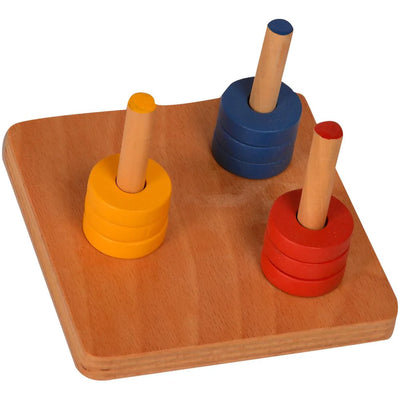
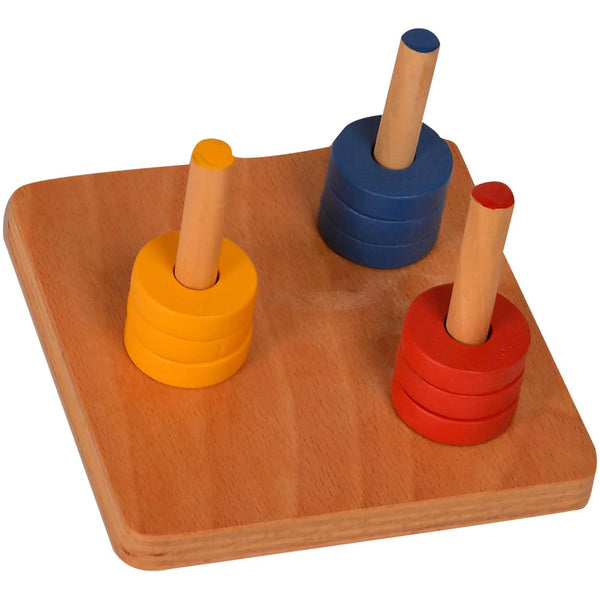
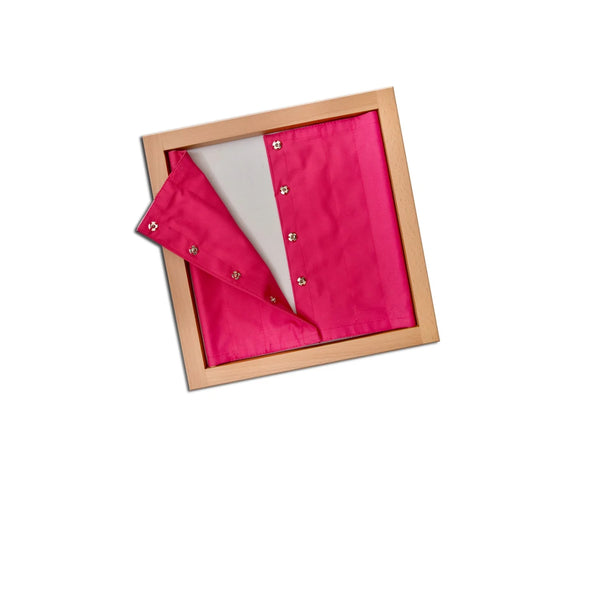
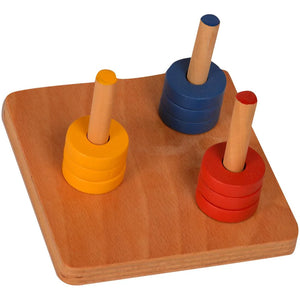
Activities such as threading large beads, using clothespins to hang small cloths, or even manipulating clay build the precise finger movements and hand endurance crucial for sustained writing. These are perfect examples of fine motor skill toys that don't feel like 'work'. When little Aanya in a joint family in Bengaluru helps her grandmother string jasmine flowers for a puja, she's not just engaging in tradition; she's subtly refining her fine motor control for future writing tasks.
Introducing Telugu Alphabet Learning with Montessori Literacy Activities
Once foundational skills are in place, Montessori provides beautiful, tactile ways to introduce letter forms. The Montessori literacy activities using Sandpaper Letters are iconic for a reason. Imagine your child tracing the rough texture of a Telugu letter 'అ' or 'ఆ' with their finger, feeling its shape while hearing its sound. This multi-sensory experience imprints the letter form into their muscle memory and mind far more effectively than mere visual exposure.
Following Sandpaper Letters, children progress to tracing boards or slates, which offer a smooth transition towards independent writing. These materials, often incorporating lines for proper letter placement, allow children to practice strokes and curves repeatedly, building confidence without the permanence of pen on paper. This iterative practice is vital for developing the fluid movements required for the flowing nature of Telugu script.
Beyond the Classroom: Montessori in Indian Homes for Educational Toys for Writing Practice
Bringing Montessori principles into your Indian home doesn't require a dedicated classroom; it requires a mindful approach to play and learning. Set up a 'work station' or a small mat in a quiet corner where your child can engage with their educational toys for writing practice. This could be a small tray with a few lentils and a spoon, or a wooden tracing board for Telugu letters.
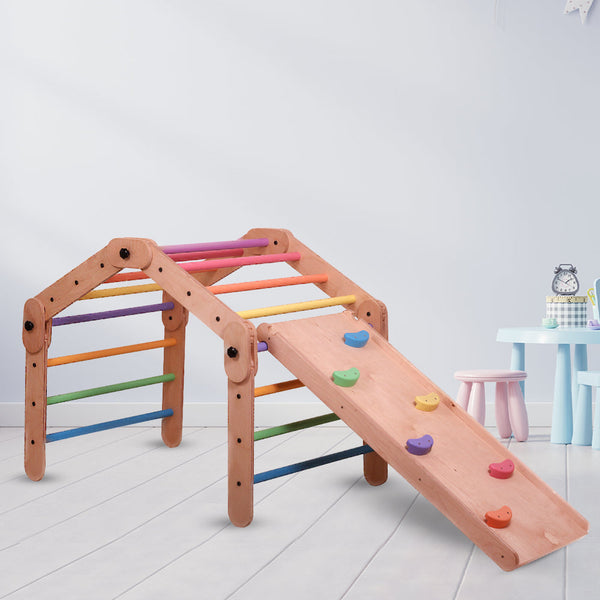
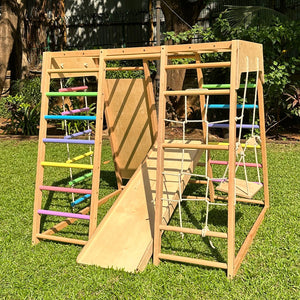
In the current news context, with discussions around spending on preschool activities and planning for skill classes, incorporating Montessori at home offers a smart, often more cost-effective way to build crucial skills. Instead of focusing solely on expensive coaching, empowering your child through hands-on learning at home, perhaps with the loving involvement of grandparents, provides a rich, natural environment for development. Remember, the 'study' published in Deccan Herald highlighting how sports can improve motor skills also subtly reminds us that overall physical development, including gross motor skills from playing outdoors, underpins fine motor mastery. Even simple activities like climbing a ladder or cycling, found in our gross motor skill collection, contribute to a child's readiness for intricate tasks.
Observing Your Child's Progress and Nurturing a Love for Learning
As parents, your role is to observe, not to push. Notice when your child shows interest in a particular activity. Do they try to mimic your writing? Are they engrossed in activities that require small hand movements? These are cues that they are ready for the next step. Celebrate their efforts, no matter how small. When a child confidently traces their first Telugu letter 'అ' after weeks of practicing fine motor skills, their joy and sense of accomplishment are palpable.
By offering purposeful, engaging activities that develop fine motor skills for writing, you're not just preparing your child to write beautiful Telugu letters; you're nurturing their concentration, independence, and a lifelong love for learning their rich cultural heritage. This foundation ensures they approach literacy not as a chore, but as an exciting discovery.