Malayalam Spelling: Montessori Activities for Fine Motor Skills
Supporting your child's journey to master malayalam spelling involves more than just memorization; it deeply connects with the development of their fine motor skills. Research shows that strong fine motor capabilities are foundational for early literacy, enabling children to manipulate writing tools and form letters with precision. SkilloToys.com believes that engaging, hands-on Montessori activities are the most effective way for Indian children to build these essential skills.
Fine motor skills development for Malayalam spelling refers to the coordination of small muscles in the hands and fingers, crucial for tasks like holding a pencil, cutting, and writing. This matters because well-developed fine motor skills directly impact a child's ability to write legibly and confidently in Malayalam. Indian parents can actively support this development through targeted Montessori activities and educational toys that make learning both effective and enjoyable.
Boosting Fine Motor Skills for Malayalam Alphabet Activities
Child development experts agree that a multi-sensory approach significantly enhances learning, especially when it comes to intricate tasks like mastering the Malayalam alphabet. Engaging children in activities that require precise hand movements helps refine their dexterity. For instance, threading beads, using tongs to transfer small objects, or manipulating playdough to form letters are excellent exercises. These activities are particularly beneficial in Indian homes where children are often encouraged to participate in traditional crafts or household tasks that naturally build fine motor strength.
Studies indicate that children with robust fine motor skills at an early age are better prepared for the demands of school, including handwriting and independent learning. As highlighted by initiatives like 'Poshan Pakhwada' emphasizing early child development, nurturing these skills from an early age is vital. Incorporating Montessori materials like a fineMotor skill activity set into daily routines can transform the challenge of Malayalam alphabet activities into a fun, developmental journey.
Montessori Malayalam Learning: Practical Activities for Home
Maria Montessori's philosophy emphasizes learning through discovery and hands-on engagement, a principle perfectly suited for montessori malayalam learning. Instead of rote memorization, children learn best by interacting with their environment. Parents can create a rich learning space using readily available materials and specific Montessori tools.
A simple and effective activity for malayalam writing practice involves using sandpaper letters. Children trace the textured Malayalam letter with their finger, engaging both tactile and visual senses. This prepares their muscles for writing and helps them internalize the shape and sound of each character. Another powerful tool is a wooden tracing board, which allows repeated practice without paper, perfect for busy homes or joint family settings where resources are shared. For parents looking for comprehensive options, exploring the main collection on SkilloToys.com provides access to a range of authentic Montessori learning materials.
Everyday Play for Enhancing Malayalam Handwriting
Incorporating activities into daily life can significantly strengthen a child's fine motor skills, directly impacting their malayalam writing practice. Simple tasks like tearing paper, squeezing sponges during bath time, or using eyedroppers for art projects build hand strength and coordination. In an Indian context, activities like rolling out chapatis with grandparents, arranging puja items, or stringing flowers for garlands during festivals can be invaluable for developing these skills naturally and joyfully.
These everyday activities, often overlooked, provide crucial practice for the small muscles in the hands and fingers. Consistent engagement ensures that when a child picks up a pencil to attempt Malayalam letters, their hands are ready for the task. This proactive approach helps close the 'school-readiness gap' mentioned in discussions about 'Viksit Bharat 2047', ensuring children are well-prepared for their academic journey.
Choosing Educational Toys for Malayalam Spelling Mastery
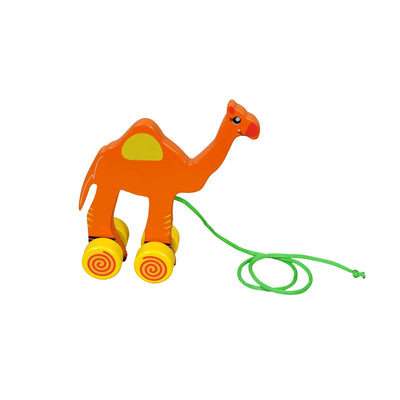
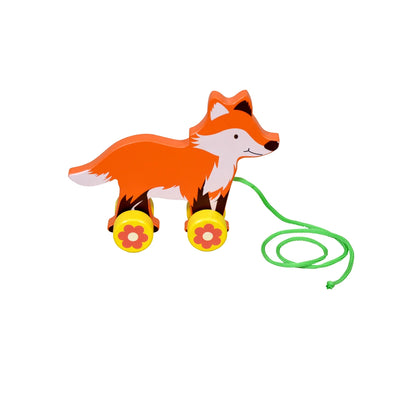
Selecting the right educational toys for malayalam learning is paramount. The best toys are those that are open-ended, allow for self-correction, and engage multiple senses, aligning perfectly with Montessori principles. Wooden puzzles featuring Malayalam letters not only teach letter recognition but also develop problem-solving skills and fine motor coordination as children grasp and fit pieces. Tactile letter cards or movable alphabet sets allow children to physically construct words, making the abstract concept of spelling tangible.
When choosing toys, consider materials that are durable, safe, and made from natural resources, reflecting a commitment to sustainable learning. Quality Montessori toys, often crafted from wood, offer a sensory experience that plastic toys cannot replicate, enhancing focus and engagement. These investments in early learning pay dividends, fostering a love for the Malayalam language and setting a strong foundation for future academic success.
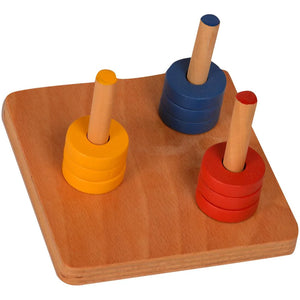
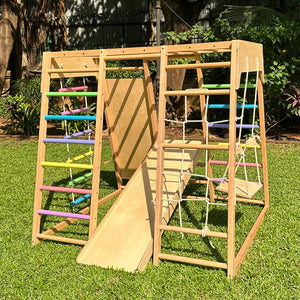
Furthermore, toys that encourage pincer grasp, such as stacking blocks or pegboards, are indirectly preparing the hands for holding a pencil correctly. Even gross motor activities like climbing and running contribute to overall physical development, which supports fine motor skill refinement by strengthening core stability. This holistic approach ensures comprehensive development for your child.
- Strong fine motor skills are essential for successful Malayalam spelling and handwriting.
- Montessori activities provide a multi-sensory, hands-on approach to learning the Malayalam alphabet.
- Early introduction of fine motor skill development through play prepares children for school readiness.
- Educational toys like sandpaper letters and tracing boards significantly aid Malayalam letter recognition.
- Integrating everyday Indian household tasks and cultural activities can naturally boost a child's dexterity.
- Consistent engagement with targeted activities builds confidence and competence in writing Malayalam.
Why are fine motor skills important for Malayalam spelling?
Fine motor skills are crucial for Malayalam spelling because they enable precise hand and finger movements necessary for holding a pencil, forming letters correctly, and developing legible handwriting. Without these skills, children often struggle with the physical act of writing, which can impact their confidence and willingness to engage with spelling.
What age is best to start Montessori Malayalam learning?
Montessori Malayalam learning can effectively begin around 2.5 to 3 years of age, when children exhibit readiness for practical life activities and sensory exploration. Introducing foundational concepts like sound recognition and early letter shapes through tactile experiences at this stage prepares them for formal writing and reading.
How can I make Malayalam writing practice fun at home?
You can make Malayalam writing practice fun by incorporating multi-sensory activities like tracing letters in sand, using playdough to form alphabet shapes, or drawing on chalkboards. Involving grandparents in storytelling with Malayalam words or writing short notes for festivals can also create a joyful and culturally rich learning environment.
Which educational toys are best for Malayalam letter recognition?
Educational toys like wooden Malayalam alphabet puzzles, sandpaper letters, and tracing boards are excellent for Malayalam letter recognition. These Montessori-inspired materials engage multiple senses, allowing children to see, feel, and trace letter shapes, which strengthens their memory and understanding of the script.
Can Montessori methods help with early child development issues in spelling?
Yes, Montessori methods are highly effective in addressing early child development issues related to spelling by providing a structured, hands-on, and individualized approach. The emphasis on concrete materials and self-correction helps children build foundational skills at their own pace, fostering confidence and overcoming common learning challenges.