Montessori 8 Sensory Systems for Kids: Inclusive Play (0-5 Years)
Engaging all eight sensory systems is foundational for a child's holistic development, and montessori 8 sensory systems for kids provides a comprehensive framework to achieve this. Research indicates that a rich sensory environment in early childhood directly contributes to enhanced brain development and cognitive function. This post will guide Indian parents on how to leverage Montessori principles, drawing inspiration from the thoughtfully designed inclusive sensory gardens now opening across India, to create a stimulating environment for their children aged 0-5 years right at home.
Amidst the joyous news of inclusive spaces like Umang Vatika at Safdarjung Hospital, which allows children of all abilities to play freely, parents are increasingly seeking ways to foster similar comprehensive development at home. Maria Montessori’s philosophy, deeply rooted in sensory exploration, offers a practical blueprint for this.
What are the 8 Sensory Systems and Why Do They Matter?
The 8 sensory systems encompass more than just the five senses we traditionally acknowledge. These systems are: sight, sound, smell, taste, touch (tactile), vestibular (sense of balance and movement), proprioceptive (sense of body position and movement), and interoceptive (sense of internal body state). This matters because optimal development of all eight senses is crucial for a child's learning, emotional regulation, and physical coordination. Indian parents can actively support this by offering diverse sensory experiences in daily life, transforming everyday moments into learning opportunities.
Understanding these eight systems allows parents to move beyond basic sensory input, creating a truly enriching environment. Child development experts agree that multi-sensory engagement significantly enhances learning and memory retention in young children, laying a strong foundation for future academic and social success.
Inspired by Inclusive Gardens: A Home-Based Sensory Haven
Inclusive sensory gardens are meticulously designed spaces that cater to a wide spectrum of sensory needs, allowing children to engage freely and safely. These gardens serve as powerful inspiration for parents aiming to create similar inclusive sensory play ideas at home. Think beyond just touch; consider varied textures, natural sounds, aromatic plants, and spaces for movement and quiet reflection. Even in a bustling Indian joint family home, a small corner or balcony can be transformed into a stimulating micro-garden with potted herbs, textured fabrics, and simple bells or chimes.
Beyond the Five: Engaging the Hidden Senses with Montessori
Nurturing Proprioception: Understanding Body Position (0-5 Years)
Proprioception is the body's awareness of itself in space and its movements. For young children, developing this sense is crucial for coordination, motor planning, and even focus. Montessori practical life activities naturally offer rich proprioceptive play activities. For instance, carrying a pitcher of water (supervised, of course!), pushing a small broom, or helping knead dough for chapatis provides 'heavy work' input. Stacking blocks, climbing low stairs, or simply helping grandparents lift a lightweight basket during errands are excellent ways to engage this sense. These activities enhance strength, coordination, and body awareness, vital skills for navigating the world.
Stimulating the Vestibular System: Balance and Movement (0-5 Years)
The vestibular system, located in the inner ear, is responsible for balance and spatial orientation. Active vestibular activities for toddlers and preschoolers are vital for gross motor development, core strength, and even attention span. Simple activities like swinging gently, spinning (safely and slowly), rolling down a grassy slope, or playing on a rocking horse provide beneficial vestibular input. Even swaying with your baby or engaging in traditional Indian dance movements can be highly stimulating. Consider safe, low-to-the-ground balance beams or a sturdy child-sized slide as excellent additions to your home play space.
Cultivating Interoception: Listening to Internal Cues (0-5 Years)
Interoception is perhaps the least understood but most crucial sense for self-regulation. It involves sensing internal body states like hunger, thirst, pain, and emotions. Montessori encourages independence and self-awareness from a young age, which inherently supports interoceptive awareness montessori. Practical life activities like pouring water (learning to serve oneself when thirsty) or preparing a simple snack (recognising hunger cues) are key. Encouraging children to verbalise how their body feels—"Are you feeling hot?" or "Does your tummy feel empty?"—helps them connect sensations to words. Deep breathing exercises, like pretending to blow out birthday candles, also subtly teach children to tune into their internal rhythms.
The Traditional Five: Montessori Activities for Rich Sensory Input
Tactile Exploration: The Power of Touch (0-5 Years)
Touch is often the first sense a baby uses to explore their world. Montessori emphasizes rich tactile sensory toys for kids. Think sandpaper letters for pre-writing, fabric boxes with different textures (silk, cotton, jute), or water play with sponges and pouring tools. Offering a variety of natural materials like pebbles, sand, clay, or even rice and lentils (for supervised play) provides immense tactile stimulation. These activities refine the sense of touch, crucial for fine motor skills and differentiating textures, preparing them for more complex tasks.
Engaging Sight, Sound, Smell, and Taste
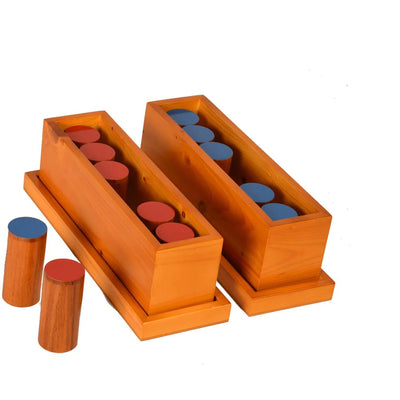
Montessori materials are renowned for isolating visual attributes, such as the Pink Tower (grading by size) or Color Tablets (matching hues). Auditory senses are refined with Sound Cylinders or by listening to different musical instruments or the sounds of nature during a walk. Smell jars with common Indian spices (cardamom, cinnamon) and taste bottles (sweet, sour, salty, bitter) introduce children to nuanced sensory discrimination. These activities provide focused educational toys sensory input, honing perception and attention to detail. Exploring various fruits and vegetables during cooking, common in Indian households, also engages multiple senses.
Bringing it All Together: Practical Tips for Indian Homes
Creating a sensory-rich environment doesn't require vast space or expensive items. It's about intentionality. Research shows that approximately 80% of brain development occurs by age three, highlighting the critical importance of early sensory experiences. In an Indian home, where multi-generational families often co-exist, involving grandparents in sensory play—like teaching traditional games, cooking, or gardening—adds another layer of richness. Here are a few ideas:
- **Nature Walks:** Even a walk around the neighbourhood can be a sensory feast—listening to birds, feeling different leaves, smelling flowers.
- **Kitchen Exploration:** Let children safely explore textures (flour, rice), smells (spices), and tastes (fruits) during meal preparation. Many Montessori activity kits are perfect for these practical life skills.
- **Movement Play:** Simple yoga poses, dancing to Indian music, or obstacle courses using cushions and blankets provide vestibular and proprioceptive input.
- **Sensory Bins:** A tub filled with rice, beans, or water, along with scoops, small toys, and natural elements, offers endless tactile and fine motor exploration.
- **Quiet Corners:** Create a cozy nook with soft blankets and books for interoceptive regulation and reflection.
By consciously integrating activities that engage all 8 sensory systems, parents empower their children to develop a strong sense of self, enhanced coordination, and a deeper understanding of the world around them. SkilloToys.com offers a curated range of Montessori learning materials that are specifically designed to support this comprehensive sensory development, making it easier for you to bring these invaluable experiences into your home.
- The 8 sensory systems include sight, sound, smell, taste, touch, vestibular, proprioceptive, and interoceptive senses.
- Montessori education systematically engages all 8 sensory systems through specially designed materials and practical life activities.
- Inclusive sensory gardens inspire creating multi-sensory, accessible play environments at home for holistic development.
- Proprioceptive activities, like 'heavy work' and climbing, enhance body awareness and coordination.
- Vestibular activities, such as swinging and spinning, are crucial for balance and spatial orientation.
- Interoceptive awareness helps children understand and respond to their internal bodily signals and emotions.
What are the 8 sensory systems for kids?
The 8 sensory systems include the five traditional senses (sight, sound, smell, taste, touch) along with the three often-overlooked 'hidden' senses: vestibular (balance and movement), proprioceptive (body awareness), and interoceptive (internal body signals). Engaging all eight is crucial for holistic child development.
How do Montessori toys support all 8 sensory systems?
Montessori toys are intentionally designed to isolate and stimulate specific sensory inputs, from the tactile sandpaper letters to materials encouraging balance and fine motor control. This approach naturally addresses the traditional five senses while also providing rich experiences for vestibular, proprioceptive, and interoceptive development.
What is interoceptive awareness in toddlers?
Interoceptive awareness in toddlers is the ability to perceive and understand internal body signals, such as hunger, thirst, tiredness, or the need to use the toilet. Developing this sense helps children self-regulate, understand their emotions, and communicate their needs effectively.
Are inclusive sensory gardens relevant for home play?
Absolutely. Inclusive sensory gardens, like Umang Vatika, are designed to stimulate all senses in a safe and accessible manner. Parents can draw inspiration from their multi-sensory design to create similar enriching, engaging, and inclusive play environments within their own homes, regardless of space.
What are easy proprioceptive play activities for home?
Easy proprioceptive play activities for home include 'heavy work' tasks like helping carry groceries, pushing a laundry basket, climbing on child-safe furniture, or kneading dough for roti. These activities provide deep pressure input, which helps children understand their body's position and movement.