Kids Learning Toys for Motor Skills: Montessori Age Guide
Empowering children with robust physical abilities is key to their holistic development and future success. This definitive guide on kids learning toys for motor skill development offers Indian parents an age-by-age Montessori roadmap, ensuring every child builds a strong foundation. SkilloToys, Bengaluru, is committed to providing resources that foster a child's natural drive to learn and explore, directly addressing the 'padhai pivot' for school-readiness highlighted in the 'Viksit Bharat 2047' vision.
Research indicates that 90% of a child's brain development occurs by age five, making early motor skill acquisition incredibly critical. This includes both fine motor skills, which involve precise hand and finger movements, and gross motor skills, which encompass larger body movements essential for balance and coordination.
What are Motor Skills and Why Do They Matter for Indian Children?
Motor skill development refers to the process by which children gain control over their body movements, from large muscle groups (gross motor) to smaller, precise movements (fine motor). This development is fundamental because it underpins a child's ability to explore, learn, and interact with their environment, directly impacting school readiness and overall independence for Indian children.
Child development experts agree that well-developed motor skills enhance a child's confidence, problem-solving abilities, and even academic performance. From holding a pencil to navigating the playground during school breaks, these skills are indispensable.
The Montessori Approach to Nurturing Motor Skills
Maria Montessori's philosophy emphasizes self-directed activity, hands-on learning, and collaborative play, making it ideal for motor skill development. Montessori materials are meticulously designed to isolate specific skills, allowing children to focus, practice repetition, and master movements independently.
This approach fosters concentration, coordination, and independence – qualities highly valued in Indian households and crucial for navigating a competitive educational landscape. SkilloToys aligns with this philosophy, offering authentic Montessori learning toys that encourage natural growth.
Kids Learning Toys for Infants (Birth - 12 Months): Laying the Foundation
During infancy, motor skill development is rapid and foundational, focusing on exploring senses and gaining control over body movements. Providing the right stimuli is crucial for these early milestones, from reaching and grasping to rolling and crawling.
Gross Motor Skills in Infants
Infants begin by developing head control, then progress to rolling, sitting, and eventually crawling and pulling themselves up. Simple activities like tummy time, where infants learn to lift their heads, are essential.
Authoritative sources indicate that engaging infants with soft play mats, activity gyms with dangling toys, and sturdy support pillows can greatly encourage these early movements, strengthening core muscles for future mobility.
Fine Motor Skills in Infants
Initially, infants use a palmar grasp, clenching objects with their whole hand. As they grow, this refines into a pincer grasp, using the thumb and forefinger.
Montessori-inspired rattles, textured balls, and soft blocks are excellent fine motor toys. These encourage reaching, grasping, transferring objects from hand to hand, and exploring textures, crucial for developing hand-eye coordination.
Learning Toys for Toddlers Motor Skills (1-3 Years): Building Independence
Toddlerhood is a period of immense physical exploration and growing independence. Children are eager to move, climb, and manipulate objects, making learning toys for toddlers motor skills particularly impactful.
Gross Motor Skills in Toddlers
Toddlers are mastering walking, running, climbing, and kicking. Their world expands rapidly as they gain mobility. Studies show that active play is paramount during this stage, preventing sedentary habits.
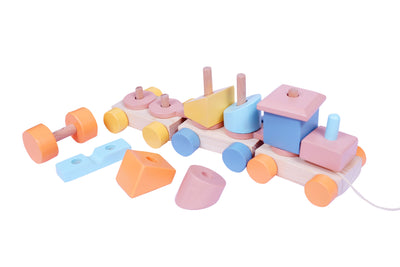
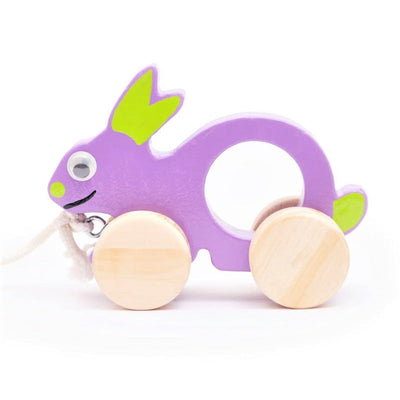
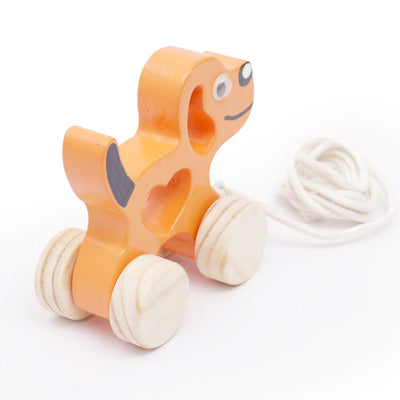
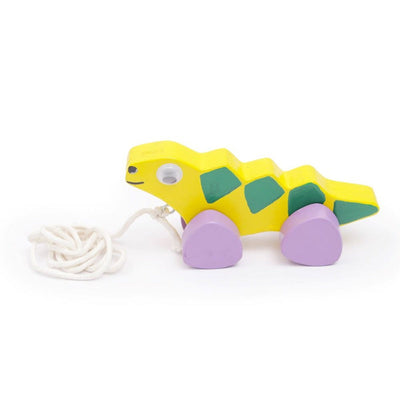
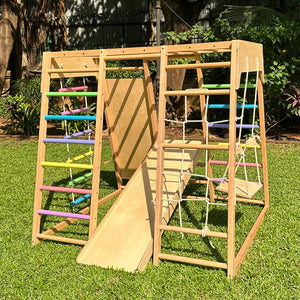
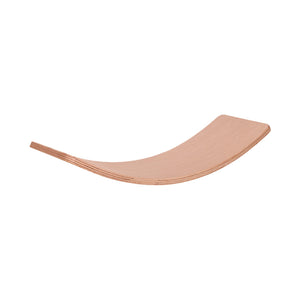
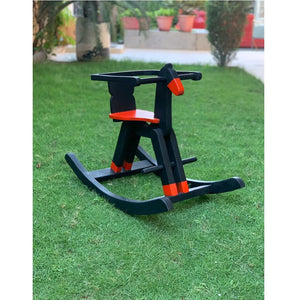
Push-and-pull toys, small slides, balance beams, and ride-on toys are excellent for fostering balance and coordination. Simple outdoor play, often seen in Indian parks and courtyards, like chasing bubbles or playing with a soft ball, significantly develops gross motor skills and stamina.
Fine Motor Skills in Toddlers
Toddlers refine their hand-eye coordination and dexterity. They learn to stack blocks, turn pages, and use simple tools. This is a critical period for developing the pre-writing skills needed for primary school.
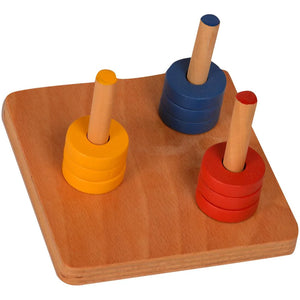
Montessori practical life activities, such as pouring, scooping, transferring with tongs, and engaging with knobbed puzzles, are invaluable. Large bead stringing, shape sorters, and chunky interlocking blocks also serve as effective fine motor skill toys, promoting precision and concentration.
Age Appropriate Learning Toys for Preschoolers (3-6 Years): Cultivating Precision
Preschoolers are preparing for formal schooling, and their motor skills become more refined and purposeful. This stage focuses on developing the precision and control needed for academic tasks and complex play.
Enhancing Gross Motor Coordination
At this age, children can hop, skip, jump with greater agility, and throw and catch with more accuracy. Encouraging structured physical activities helps consolidate these skills.
Bicycles with training wheels, tricycles, jump ropes, and sports equipment like a small football or cricket bat are excellent for refining coordination. Playing traditional Indian games like kho-kho or kabaddi with family members or friends further enhances agility and teamwork.
Refining Fine Motor Control
Preschoolers develop the ability to draw shapes, cut with scissors, and manage buttons and zippers. These skills are directly linked to school readiness, impacting their ability to write and self-care.
The Times of India recently highlighted fun tricks to supercharge fine motor skills; these often include Montessori activities like using lacing beads, weaving mats, intricate puzzles, and working with clay or dough. The Montessori Pink Tower and Brown Stair materials are renowned for developing visual discrimination and fine motor precision, essential age appropriate learning toys.
Educational Toys for Motor Skills in Early School Age (6+ Years): Mastering Complex Tasks
For children entering school, motor skills become more specialized and integrated into academic and recreational pursuits. This stage focuses on endurance, speed, and advanced coordination.
Handwriting, playing musical instruments, engaging in complex crafts, and participating in organized sports all require advanced motor skills. Building complex Lego sets, engaging with advanced construction toys, learning to knit or crochet, and board games that require precise manipulation are excellent educational toys for motor skills.
Encouraging involvement in Indian classical dance forms or traditional art crafts can also provide excellent avenues for developing intricate fine motor control and graceful gross motor coordination. This holistic development supports children in their academic journey and beyond.
- Choosing the right kids learning toys is fundamental for comprehensive motor skill development from infancy.
- Montessori-designed toys specifically support age-appropriate motor skill acquisition by isolating and refining movements.
- Early and consistent engagement with hands-on learning significantly impacts a child's school readiness and overall cognitive growth.
- Both fine motor (precision tasks) and gross motor (large movements) skills require dedicated attention and specific learning materials.
- Incorporating physical activities and traditional Indian games can naturally enhance both fine and gross motor skills in children.
- Authoritative sources indicate that active play and hands-on exploration are crucial for preventing developmental delays and promoting healthy physical growth.
What is the difference between fine motor and gross motor skills?
Fine motor skills involve the coordination of smaller muscles, like those in the hands and fingers, essential for tasks such as writing or buttoning. Gross motor skills involve larger muscle groups, enabling activities like walking, running, and jumping, fundamental for mobility and balance.
How do Montessori toys specifically aid motor skill development?
Montessori toys are intentionally designed to be hands-on, self-correcting, and appeal to a child's natural curiosity. They isolate specific skills, allowing children to practice repetition and refine movements independently, fostering both precision and coordination.
At what age should I introduce learning toys for motor skills?
Motor skill development begins at birth, so introducing age-appropriate learning toys should start from infancy. Even simple rattles and mobiles encourage early grasping and visual tracking, laying foundations for more complex skills later on.
Can screen time negatively impact a child's motor skill development?
Yes, excessive screen time can impede motor skill development by reducing opportunities for hands-on exploration and physical play. Research indicates that active engagement with the environment and tangible objects is crucial for developing dexterity, coordination, and strength.
What are some simple ways to encourage motor skills at home in India?
Indian parents can encourage motor skills through daily activities like helping with kitchen tasks (kneading dough, peeling vegetables), stringing beads for rangoli patterns, or playing traditional outdoor games. Providing simple Montessori-inspired materials also creates engaging learning opportunities.