Play-Based Learning & Nutrition for Child Motor Skills
Research shows that for robust child development, particularly motor skill development, play based learning nutrition deserves equal footing alongside dietary nutrition. Just as balanced meals fuel physical growth, engaging play experiences nourish the brain pathways essential for movement, coordination, and strength, providing foundational sensory and motor stimulation. Indian parents can proactively support this by integrating structured play and healthy eating from an early age.
Play-based learning is an educational approach where children learn through self-initiated or guided play, fostering holistic development. This matters because it allows children to explore, experiment, and build crucial motor skills naturally. Indian parents can encourage this by providing stimulating Montessori materials and a supportive environment.
Why Play-Based Learning & Nutrition Are Two Sides of the Same Coin
The recent discourse in major Indian news outlets, mirroring discussions from India Today, highlights a critical truth: a child's holistic development cannot thrive on nutrition alone, nor solely on academic pursuits. Child development experts agree that just as a growing sapling needs fertile soil and regular watering, a child requires both proper nutrition and rich play experiences to develop their motor skills effectively. These two pillars are intrinsically linked, each amplifying the other's impact.
Consider the energy a child needs to engage in active play – to run, jump, and stack blocks. This energy comes directly from their diet. Conversely, the very act of playing, from manipulating small objects to climbing, refines the neural connections that govern movement, coordination, and sensory integration. Neglecting either aspect creates a developmental gap that can impact a child’s physical capabilities and future academic readiness, a concern for every parent aspiring for Viksit Bharat 2047.
Fueling the Body: The Nutritional Foundation for Motor Skills
A balanced diet is the cornerstone of all physical development. Essential nutrients like iron, calcium, and Omega-3 fatty acids are crucial for muscle strength, bone density, and neurological health, all directly impacting a child’s motor skill development. For instance, iron deficiency can lead to fatigue, reducing a child's energy for active play, while sufficient calcium supports strong bones needed for jumping and running.
In Indian households, where home-cooked meals often emphasize fresh ingredients, parents have a natural advantage. Ensuring a diet rich in lentils, fresh vegetables, fruits, and dairy products provides the necessary fuel for little hands to grasp and tiny feet to explore. This foundational nutrition empowers children to fully engage in the physical activities that refine their gross and fine motor skills.
Building the Brain & Body: How Play Shapes Motor Development
While nutrition provides the raw materials, play acts as the architect, shaping and refining a child's motor pathways. Studies indicate that early childhood, particularly from 18 months to 6 years, is a critical window for motor skill acquisition, with 90% of a child's brain development occurring by age five. Unstructured and structured play, whether it's rolling a ball with grandparents in the courtyard or carefully placing Montessori learning materials, directly stimulates neural connections responsible for movement, balance, and hand-eye coordination.
The importance of play extends beyond mere physical exercise; it's a dynamic learning process. Children develop proprioception (body awareness) and spatial awareness as they navigate their environment during play. This consistent engagement in varied play scenarios builds muscle memory and refines motor planning, allowing for more complex movements over time. This continuous interaction is why child development play is irreplaceable.
Montessori Education in India: Nurturing Play for Motor Skills
Maria Montessori's philosophy, deeply rooted in observing children's natural tendencies, emphasizes hands-on, self-directed play as the primary mode of learning. This approach is gaining significant traction in India, aligning perfectly with the national push for holistic development and innovative education. Montessori education in India provides a meticulously prepared environment where children can freely explore and engage with materials designed to develop specific motor skills.
For example, practical life activities in a Montessori setting, such as pouring water, buttoning clothes, or sweeping, are not just chores; they are purposeful play that hones fine motor control and concentration. These activities, often mirroring daily life in an Indian home, empower children with independence and a sense of accomplishment, laying a strong foundation for both academic and life skills.
Fine Motor Skills: Precision in Play
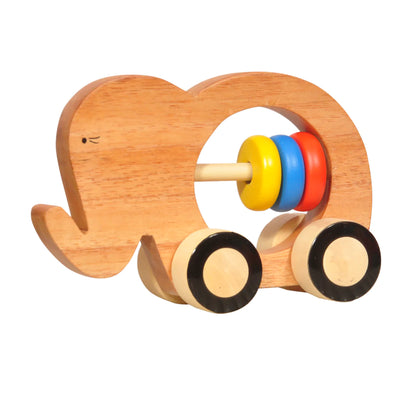
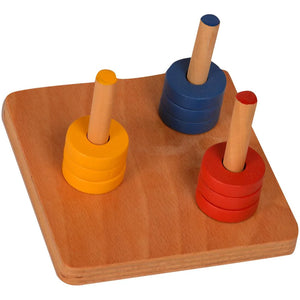
Fine motor skills involve the coordination of small muscles, typically in the hands and fingers, in conjunction with the eyes. These are crucial for tasks like writing, drawing, and self-care. Engaging with fine motor skill toys such as puzzles, threading beads, or using building blocks, allows children to practice precise movements repeatedly. Think of a child carefully stacking the Pink Tower or manipulating Montessori learning materials like sandpaper letters; each action strengthens those tiny muscles and improves dexterity.
The benefits extend beyond the physical; refined fine motor skills contribute to cognitive development and problem-solving abilities. Parents in India often see the pressure for academic readiness, but focusing on these foundational skills through play makes the transition to writing and school activities much smoother and more enjoyable for the child.
Gross Motor Skills: Grand Movements, Grand Growth
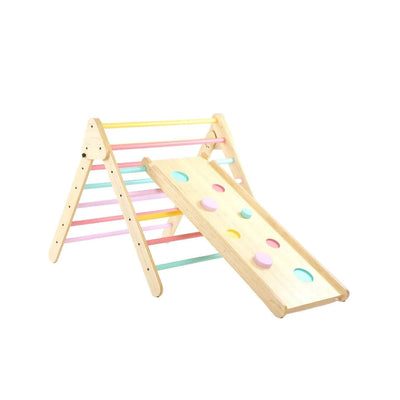
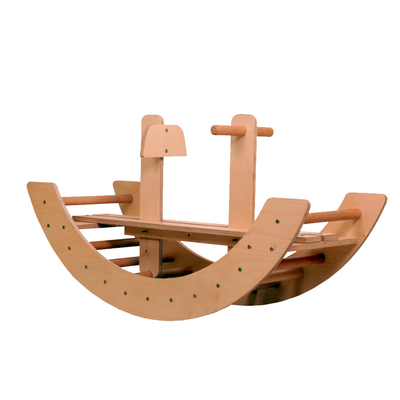
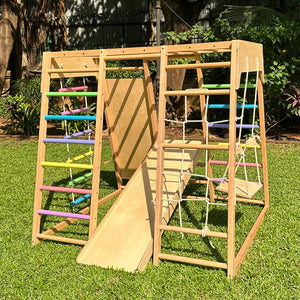
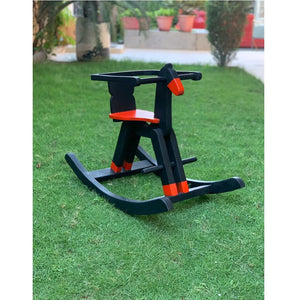
Gross motor skills involve the larger muscles in the torso, arms, and legs, enabling activities like running, jumping, balancing, and climbing. These skills are fundamental for overall physical health, coordination, and spatial awareness. Providing ample opportunities for active gross motor skill toys and outdoor play, whether it's a game of hopscotch, riding a tricycle, or simply chasing pigeons in the park, is paramount.
Regular engagement in gross motor activities helps children develop strength, stamina, and balance. It also plays a significant role in sensory integration, allowing children to better understand their bodies in space. Encouraging outdoor play, even within the confines of a balcony or a local park, ensures that children get the crucial physical activity needed for healthy development.
Practical Tips for Indian Parents: Integrating Play and Nutrition
Balancing traditional expectations with modern understanding of child development can be challenging, but integrating play based learning nutrition into daily life is simpler than it seems. Here are some actionable tips for Indian parents:
- Create a Play-Rich Environment: Dedicate a "play corner" in your home, even if it's small, filled with open-ended educational toys India-based families can access, like blocks, puzzles, and art supplies. Encourage imaginative play.
- Prioritise Active Play Daily: Make outdoor play a non-negotiable part of the routine, whether it's a trip to the local park or simply playing traditional Indian games with family members. Aim for at least 60 minutes of active play daily for preschoolers.
- Involve Children in Meal Prep: Let children help with simple kitchen tasks like washing vegetables or stirring. This engages their fine motor skills and fosters a positive relationship with food, encouraging healthy eating.
- Offer Nutrient-Dense Snacks: Instead of packaged snacks, provide fruits, nuts, sprouts, or homemade laddoos. Explain how these foods give them energy for their favorite activities, linking nutrition directly to play.
- Embrace Montessori Principles at Home: Even without a formal school, implement elements like child-sized tools, self-care routines, and hands-on learning activities using simple household items.
- Be a Role Model: Show your children the importance of both physical activity and healthy eating by engaging in them yourself. Grandparents can also be wonderful companions for storytelling and traditional games, reinforcing family bonds and motor skills.
- Research definitively shows that play-based learning is as critical as nutrition for optimal motor skill development in children.
- Balanced nutrition provides the essential fuel for a child's body to engage in physical activities that refine motor skills.
- Engaging in varied play experiences directly shapes and strengthens the neural pathways responsible for movement, balance, and coordination.
- Maria Montessori's educational philosophy prioritizes hands-on, self-directed play for comprehensive motor skill development.
- Fine motor skills, honed through activities like puzzles and threading, are crucial for academic readiness and self-care independence.
- Gross motor skills, developed through active play like running and climbing, are fundamental for overall physical health and sensory integration.
Why is play considered as important as nutrition for motor skills?
Play is considered equally important because while nutrition provides the physical fuel, play actively stimulates and shapes the neurological pathways responsible for movement, coordination, and sensory processing. Both are fundamental for holistic physical development.
What is the role of nutrition in a child's motor skill development?
Nutrition provides the essential building blocks like proteins, vitamins, and minerals needed for strong bones, healthy muscles, and optimal brain function. These nutrients directly power a child's ability to engage in physical activities and develop their motor skills effectively.
How does play-based learning improve fine motor skills?
Play-based learning improves fine motor skills by providing repeated opportunities for precise hand-eye coordination, grasping, manipulating small objects, and intricate movements. Activities like building with blocks, drawing, or using practical life tools directly strengthen the small muscles in the hands and fingers.
Can Montessori education help with motor skill development in Indian children?
Yes, Montessori education is highly effective for motor skill development in Indian children as it emphasizes a prepared environment and self-directed, hands-on activities. Materials and practical life exercises are specifically designed to refine both fine and gross motor skills, promoting independence and coordination.
What are simple ways for Indian parents to encourage active play at home?
Indian parents can encourage active play by dedicating a safe play space, providing open-ended toys like balls and building blocks, and engaging in traditional games like "kho-kho" or hide-and-seek. Prioritizing outdoor time in parks or open areas, even for short periods, is also highly beneficial.