Play-Based Learning: Vital for Child Motor Development
When we discuss child development in India, nutrition often takes centre stage, and rightly so. However, the burgeoning conversation, as highlighted by publications like India Today, correctly asserts that play-based learning child development deserves equal footing for comprehensive growth. This approach provides the critical, self-directed experiences children need to explore movement, build strength, refine coordination, and integrate sensory information, fostering essential physical competencies from early childhood.
What is play-based learning? Play-based learning is an educational philosophy where children acquire knowledge and skills through active, engaging, and often self-directed play. This matters because it directly supports the natural developmental trajectory of children. Indian parents can thoughtfully integrate this by valuing playtime as much as mealtime.
The Undeniable Link: Play-Based Learning & Motor Skill Development
Child development experts agree that play is the brain's natural laboratory for motor skill development. Every jump, every stack of blocks, every attempt to balance on one foot is a complex neurological exercise. Research shows that active engagement through play builds stronger, more intricate neural pathways than passive instruction ever could, forming the very foundation of motor competence.
Fine Motor Skills: The Art of Precision
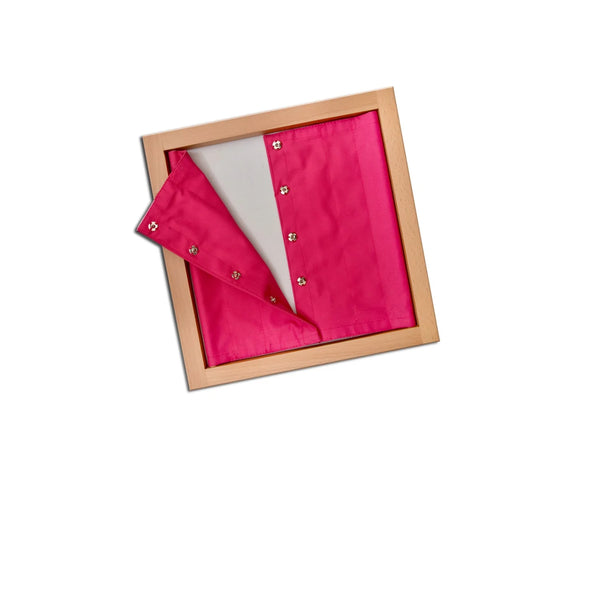
Fine motor skills involve the coordination of small muscles, typically in the hands and fingers, in conjunction with the eyes. These are crucial for tasks like writing, drawing, and fastening buttons. When a child carefully places a bead on a string during a festive preparation with their dadi, or painstakingly sorts lentils for dinner, they are deeply engaged in fine motor practice.
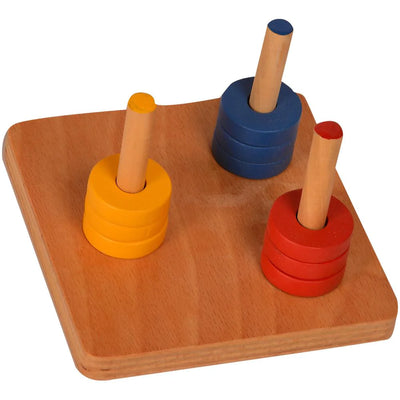
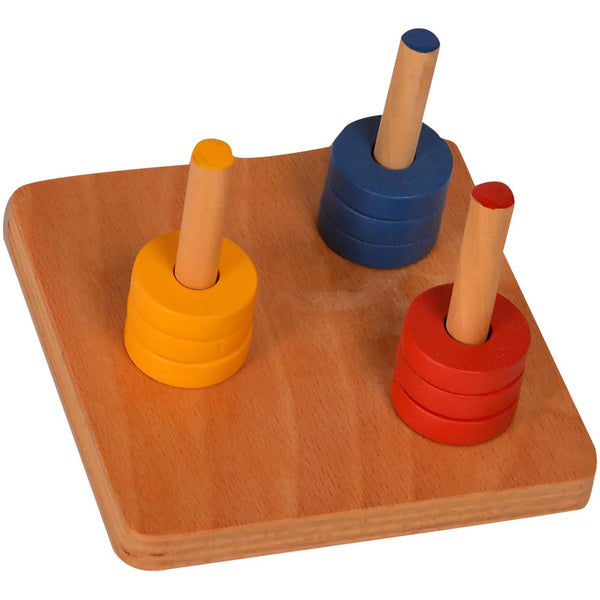
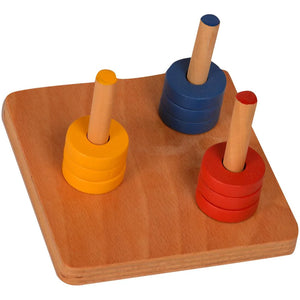
Activities like threading, manipulating small objects, or using tools like child-safe scissors are foundational. Montessori-inspired fine motor skill toys, such as bead-stringing sets, lacing cards, and puzzles, are excellent for developing this precision. These activities demand focus and controlled movement, translating into better hand-eye coordination and dexterity.
Gross Motor Skills: Building Strength and Coordination
Gross motor skills involve the larger muscles of the body for movements like walking, running, jumping, and balancing. These are the skills that allow a child to navigate their world confidently. A recent study cited in the Deccan Herald found that sports can help improve motor skills in children with autism, underscoring the universal benefit of physical activity, much of which is rooted in play.
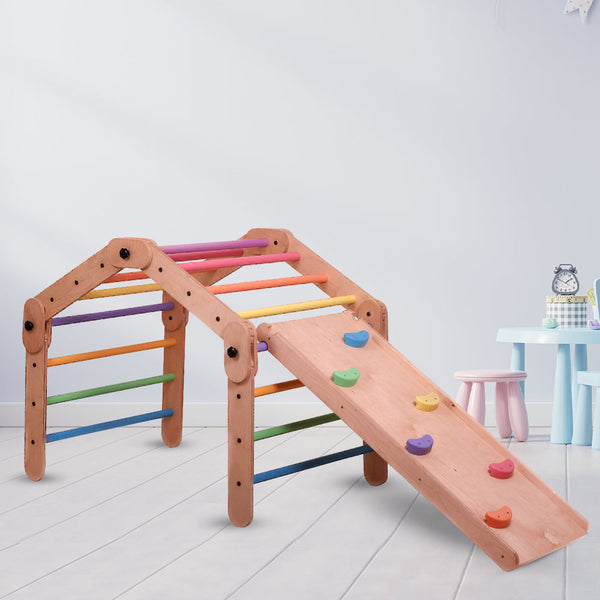
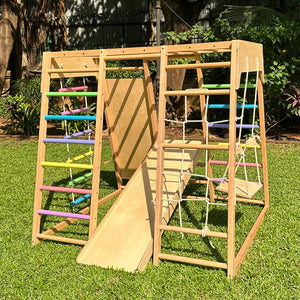
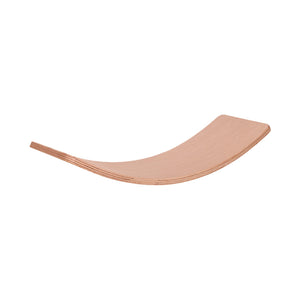
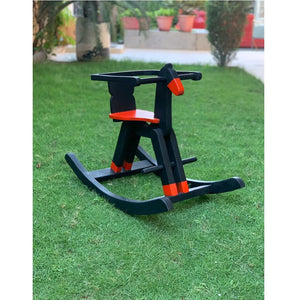
Think of a child chasing a ball in the park, climbing a small slide, or even performing traditional dances during a family celebration. These actions strengthen core muscles, improve balance, and enhance spatial awareness. Gross motor skill toys like balance boards, climbing structures, or even simple tricycles encourage robust physical activity, vital for growing bodies.
Montessori's Wisdom: Purposeful Play for Holistic Child Development
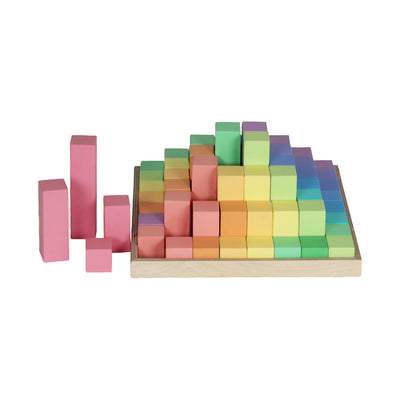
Maria Montessori, a pioneer in child education, firmly believed that children learn best through self-directed, hands-on activity, a cornerstone of play-based learning. Her philosophy champions purposefully designed materials that allow children to explore concepts independently, making 'work' indistinguishable from 'play'. For an Indian child, this could mean exploring a Pink Tower to understand dimension or using Sandpaper Letters to connect sound with form, all while refining motor control.
This approach fosters not just motor skills, but also concentration, problem-solving, and independence – critical aspects for holistic development. SkilloToys embraces this philosophy, offering Montessori educational toys that encourage exploration and mastery at the child's own pace, preparing them for the challenges of a rapidly changing world.
Weaving Play into the Indian Home: Practical Steps for Parents
In the bustling urban landscapes and close-knit joint families of India, integrating play-based learning effectively requires intentionality. Despite academic pressures and busy schedules, simple shifts can make a profound difference. Consider how often a child in an Indian home observes or participates in daily chores – rolling dough, stringing flowers for puja, or helping arrange clothes. These are rich, natural opportunities for motor skill practice.
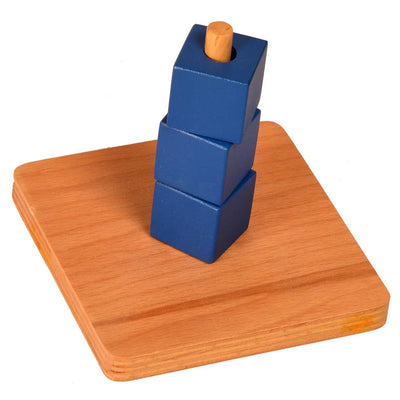
Instead of viewing play as a break from learning, see it as the learning itself. Encourage outdoor games like kho-kho or gilli-danda which inherently build gross motor skills and teamwork. At home, designate a small, safe space where your child can freely explore age-appropriate materials. This could be as simple as a mat with wooden blocks or a basket of natural elements like leaves and pebbles for sorting.
The 'padhai pivot' discussed in 'Ideas for India' points towards closing the school-readiness gap for Viksit Bharat 2047, and play-based learning is a powerful tool in this national endeavour. By championing play, we equip our children with the foundational physical and cognitive skills necessary to thrive, not just academically but in all aspects of life.
Beyond the Classroom: Cultivating Well-Rounded Individuals
The national conversation around child development is evolving, moving beyond rote learning to embrace a more holistic view. Play-based learning is not just about strengthening muscles; it's about developing coordination, spatial awareness, balance, and the confidence to explore. These physical competencies directly impact a child's self-esteem, social interactions, and even their academic readiness.
By providing ample opportunities for diverse, engaging play, parents are investing in their child's long-term physical literacy and overall well-being. Whether it's the focused concentration needed to build a complex structure with blocks or the joyous abandon of climbing a play tower, every moment of play is a step towards a healthier, more capable child.